
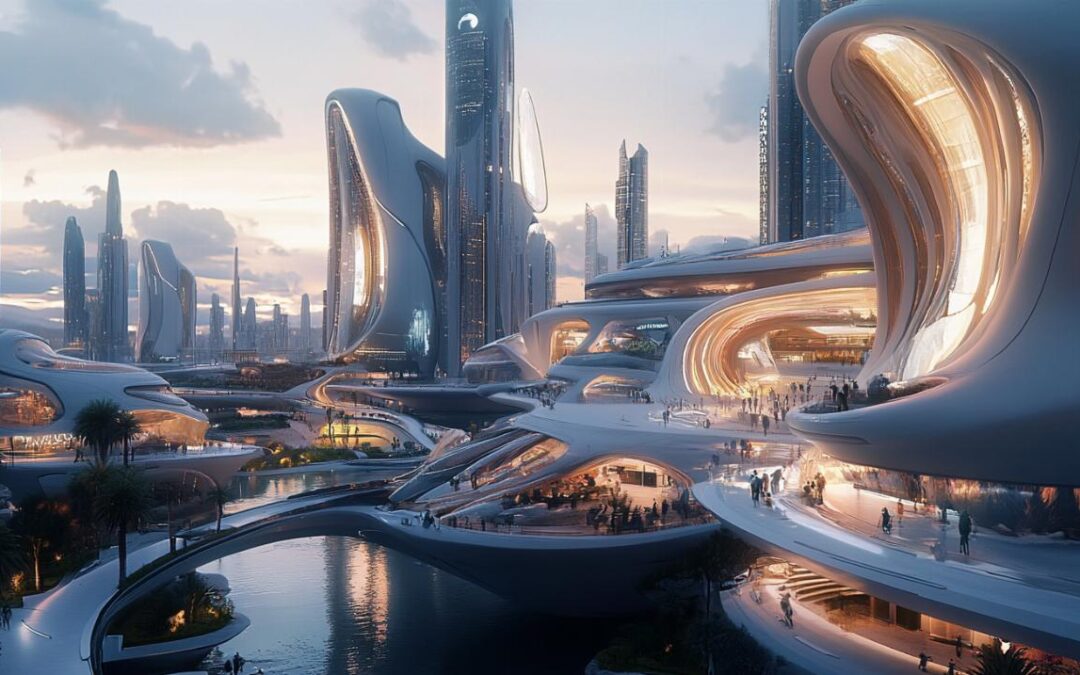
Contemporary architecture has become a compelling reason to explore new corners of the globe, offering a fresh lens through which to experience cities and landscapes. From audacious skyscrapers that pierce the skyline to intimate cultural centres nestled in unexpected locales, modern design invites travellers to witness how innovation shapes the spaces we inhabit. Whether you are drawn to the sleek lines of neo-futurism or the sustainable ethos of green buildings, there is no shortage of destinations where architecture and wanderlust intersect in truly remarkable ways.
Revolutionary urban structures reshaping city skylines
Across the world, cities have embraced bold architectural visions that redefine what it means to live, work, and explore in an urban environment. These structures are not merely functional but serve as symbols of progress and creativity, drawing visitors who seek travel inspiration rooted in cutting-edge design. From Dubai to Singapore, the skylines of forward-thinking metropolises showcase the ambition and ingenuity of contemporary architects who push the boundaries of what is possible.
Cutting-edge museums and cultural centres worth visiting
Museums and cultural institutions have become some of the most exciting examples of modern architectural expression. In Bilbao, the Guggenheim Museum stands as a testament to how a single building can transform a city's identity, attracting art lovers and architecture enthusiasts alike. Sydney also offers a striking blend of heritage and innovation, with its iconic Opera House remaining a beacon of modernist design. Barcelona continues to captivate with its unique fusion of Art Nouveau and modernism, evident in the works of Antoni Gaudí and other visionary designers who have left an indelible mark on the city. These cultural centres are not just repositories of art and history but destinations in their own right, offering immersive experiences that celebrate both creativity and craftsmanship.
Sustainable skyscrapers leading the green architecture movement
As environmental concerns take centre stage, architects around the globe are reimagining skyscrapers with sustainability at their core. Dubai has become a laboratory for green innovation, where towering structures incorporate renewable energy systems and smart technologies to minimise their ecological footprint. Similarly, Singapore has pioneered vertical gardens and energy-efficient designs that integrate nature into urban landscapes, proving that high-density living can coexist with environmental responsibility. These sustainable skyscrapers are reshaping city skylines and demonstrating that contemporary architecture can address the pressing challenges of climate change while still delivering awe-inspiring aesthetics. For travellers, visiting these buildings offers a glimpse into the future of urban design and a chance to witness how innovation and ecology can harmonise.
Bespoke architectural experiences off the beaten track
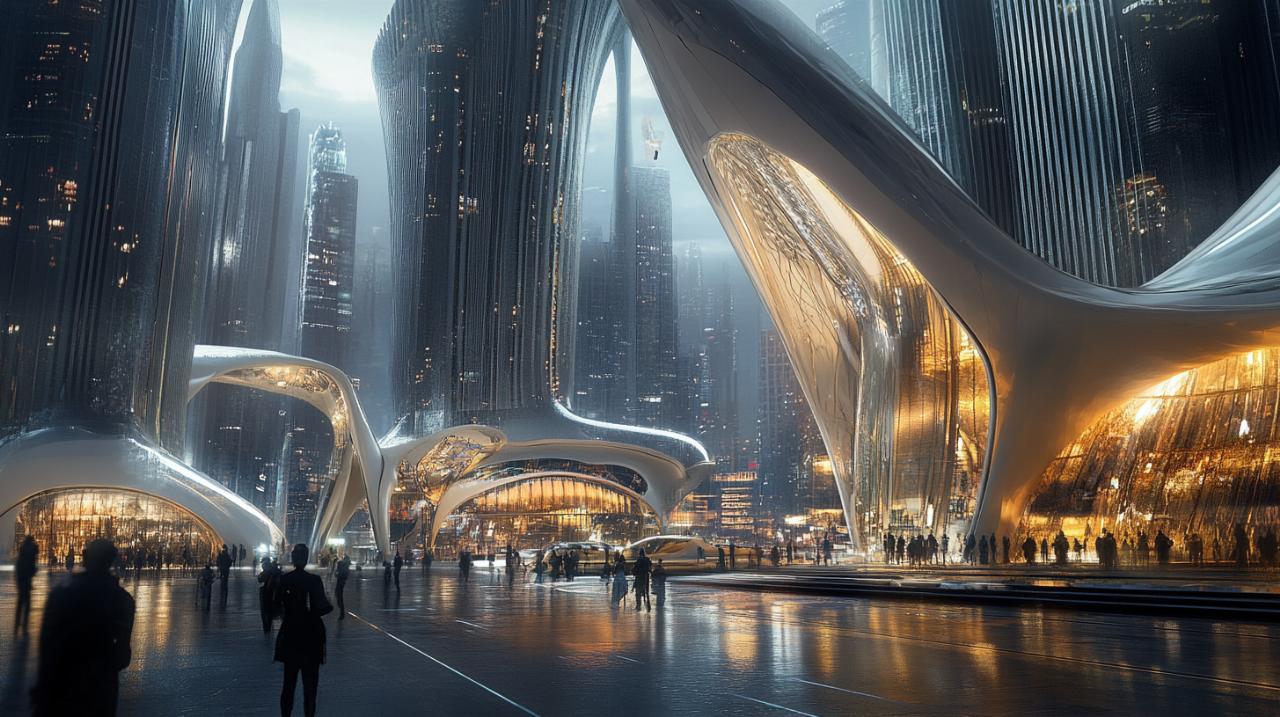
While major cities often dominate conversations about modern design, some of the most intriguing architectural experiences can be found in lesser-known destinations. These hidden gems offer a different perspective, revealing how contemporary architecture can thrive in unexpected settings and enrich local cultures. From coastal villages to historic towns, these places invite travellers to explore beyond the usual tourist circuits and discover design that is deeply connected to its surroundings.
Hidden gems: contemporary designs in unexpected locations
Ljubljana in Slovenia has quietly emerged as a haven for those who appreciate human-centred urban design and green spaces. The city's commitment to sustainability and walkability makes it a delightful destination for architecture lovers who value thoughtful planning as much as striking facades. In Morocco, Rabat blends cultural influences with a rising contemporary art scene, offering a unique fusion of tradition and modernity. Mallorca in Spain enchants visitors with its mix of natural charm and Spanish-style architecture, where modern villas nestle into Mediterranean landscapes without overpowering them. Further afield, Bandung in Indonesia showcases an intriguing Art Deco heritage alongside a thriving design scene, making it a fascinating stop for those curious about how global movements have shaped local aesthetics. These destinations prove that contemporary architecture is not confined to major capitals but flourishes wherever designers engage with their environment and communities.
Interactive spaces where architecture meets immersive travel
The most memorable architectural experiences are often those that invite travellers to engage directly with the spaces they visit. In AlUla, Saudi Arabia, ancient landscapes serve as a backdrop for modern architectural interventions that respect and enhance the natural setting. The Douro Valley and Comporta in Portugal offer a different kind of interaction, where architecture is intimately connected to topography and lifestyle, encouraging visitors to slow down and savour the relationship between built and natural environments. Costa Brava in Spain integrates Mediterranean landscapes with local crafts, creating spaces where design is not an isolated object but part of a living cultural tapestry. These interactive spaces transform travel from passive observation into active participation, allowing visitors to experience how contemporary architecture can enhance the way we connect with place, culture, and history. Whether through sustainable design, adaptive reuse, or thoughtful integration with heritage, these destinations demonstrate that modern architecture has the power to enrich our journeys in profound and lasting ways.