
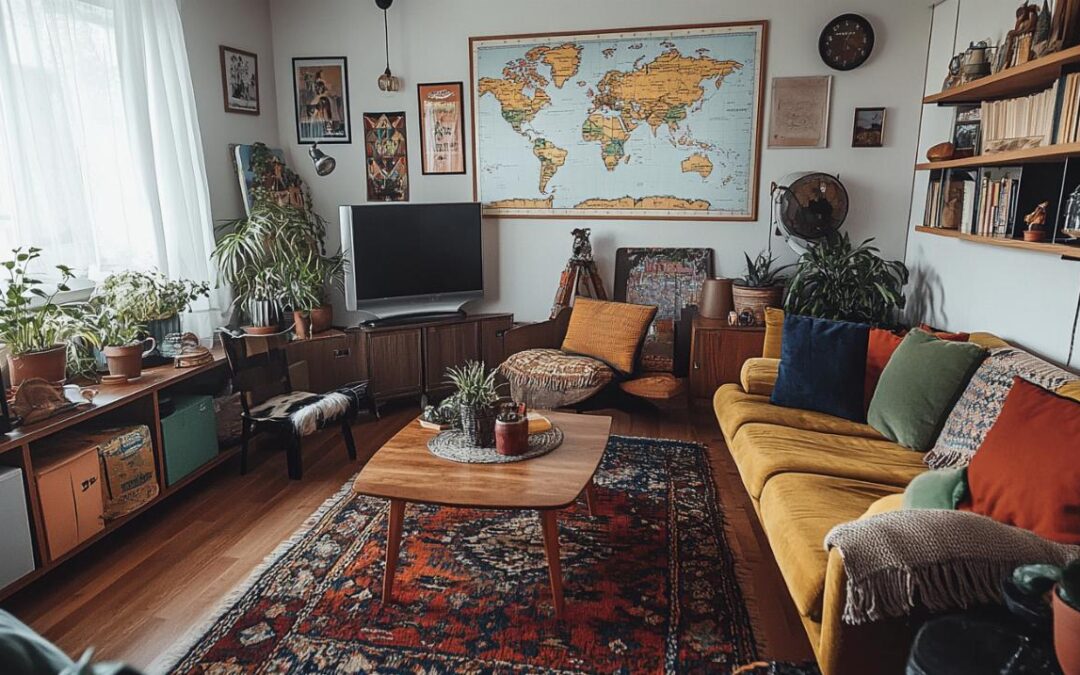
Giving your home a fresh new appearance need not drain your bank account or require a complete overhaul. With a touch of creativity and some thoughtful planning, anyone can breathe new life into their living spaces using methods that respect both your wallet and the environment. From sourcing materials that have already enjoyed a previous life to applying paint in clever and unexpected ways, the possibilities for transformation are both exciting and accessible. Whether you’re drawn to the charm of vintage finds or eager to try your hand at simple do-it-yourself projects, there are countless approaches to achieving a stylish interior without the hefty price tag.
Clever Ways to Refresh Your Living Spaces on a Shoestring
Embracing a mindful approach to decorating can unlock a world of stylish and sustainable possibilities. Low-waste interior design focuses on using reclaimed materials such as timber, metals, furniture, and textiles, offering an opportunity to create unique spaces while reducing environmental impact. This method not only supports budget-friendly design but also adds character and history to your home. By prioritising materials that have already served a purpose elsewhere, you can achieve a distinctive aesthetic that feels both personal and responsible. The beauty of this approach lies in its versatility, allowing you to blend old and new in ways that reflect your individual taste and creativity.
Upcycling Furniture and Accessories for a Fresh Look
Solid wood furniture often proves to be a hidden gem in the world of budget-conscious decorating. These pieces can frequently be found for half the price of new flat-pack alternatives, and their sturdy construction ensures they stand the test of time. A simple coat of paint can transform a tired dresser or table into a stunning focal point, breathing new life into something that might otherwise have been overlooked. Mixing vintage character pieces with contemporary items creates a dynamic and engaging interior, avoiding the sterile, staged appearance that can sometimes result from overly coordinated decor. The key is to trust your instincts when spotting potential treasures and to consider whether an item would still captivate you if it stood alone in a room.
Sourcing secondhand furniture and accessories has become easier than ever, thanks to a wealth of options both online and offline. House clearance outlets, antique fairs, and salvage yards are excellent starting points for those seeking unique finds. Important fairs such as Ardingly, Kempton, Shepton Mallet, and Newark offer a vast array of vintage goods, while online marketplaces provide convenient access to sellers across the country. For those willing to venture further afield, brocantes in France present an opportunity to discover one-of-a-kind pieces that add a touch of continental charm to your home. Barns, agricultural buildings, and boatyards can also yield reclaimed timber suitable for furniture, shelving, wall panelling, and door frames, all of which contribute to a sustainable and budget-friendly approach to interior styling.
Strategic Use of Paint to Maximise Impact
Paint remains one of the most powerful tools in any decorator’s arsenal, offering instant impact with minimal investment. However, it is worth noting that of the 320 million litres of paint sold in the United Kingdom each year, an estimated 50 million litres goes to waste. By making thoughtful use of leftover paint, you can contribute to reducing this figure while simultaneously refreshing your living spaces. Small pots of remaining colour can be applied to alcoves, window reveals, shutters, furniture legs, and accessories such as terracotta pots and picture frames, adding subtle accents that tie a room together.
Choosing where to apply paint strategically can also elevate the overall appearance of your home without requiring extensive work. Keeping paintwork clean and tidy maintains value and creates the impression of a well-cared-for environment. Updating handles on furniture, doors, and light switches with a fresh coat of paint or a simple replacement can have a surprisingly significant effect on the overall aesthetic. For those renovating older properties, sustainable decorating practices such as using mineral paints and natural finishes can transform spaces into modern, eco-friendly homes while preserving their original character. These methods align with a broader commitment to low-waste interior design and demonstrate how small, considered changes can yield impressive results.
Affordable styling tricks that make a big difference
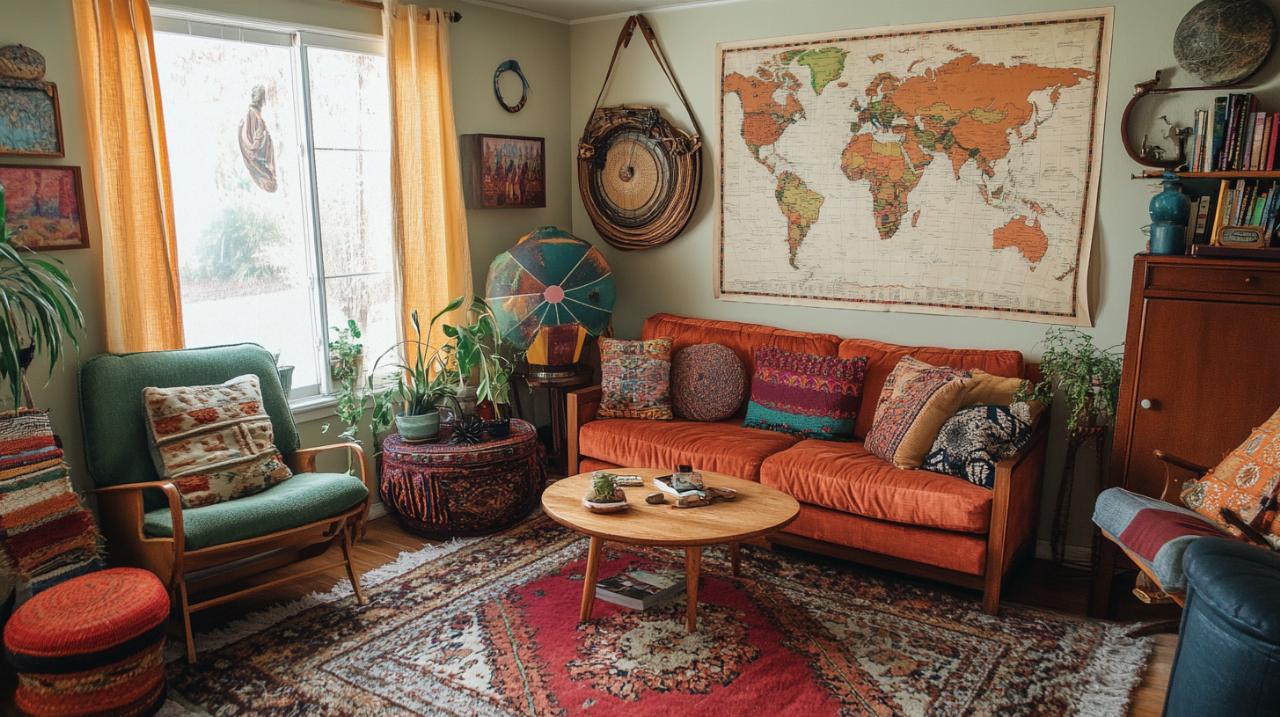
Beyond furniture and paint, there are numerous styling tricks that can make your home feel more luxurious and inviting without demanding a substantial financial outlay. These techniques often revolve around the thoughtful selection and placement of accessories, textiles, and lighting, all of which contribute to the overall atmosphere of a space. By focusing on elements that create visual interest and warmth, you can achieve a sense of comfort and elegance that belies the modest investment required.
Textile swaps and soft furnishing updates
Textiles play a vital role in defining the mood of a room, and swapping out cushions, curtains, or throws can instantly refresh your interior. Vintage fabrics, such as secondhand velvet curtains, offer a rich texture and depth of colour that is difficult to replicate with modern materials. These pieces can be used for window treatments or repurposed into other soft furnishings, adding a touch of nostalgia and sophistication. Fabric offcuts are another valuable resource, perfect for creating cushion covers, patchwork textiles, bedspreads, and Roman blinds. By sourcing sustainable textiles and making use of remnants, you not only reduce waste but also introduce unique patterns and textures into your home.
Layering textiles is another effective technique for adding warmth and interest to a space. Large rugs make a bold statement and help to define different areas within an open-plan layout. If a single large rug proves too expensive, consider layering smaller rugs to achieve a similar effect. Natural materials such as jute rugs bring an organic, earthy quality to interiors, complementing a range of styles from rustic to contemporary. These choices align with broader trends in sustainable decorating and demonstrate how thoughtful textile selection can enhance both the aesthetic and environmental credentials of your home.
Creative diy projects using household items
Embracing do-it-yourself projects using items you already have at home can be both rewarding and cost-effective. Wallpaper offcuts, for instance, can be used within panelling, behind mouldings, or to line cabinets and shelves, adding unexpected pops of colour and pattern to often-overlooked areas. Framing personal items such as magazine covers or children’s artwork creates unique and stylish decor that tells a story and reflects your personality. These small touches contribute to a sense of individuality and prevent your home from feeling overly generic or impersonal.
Lighting is another area where creative thinking can yield impressive results. Layering different types of lighting, from inexpensive pendant lights to table lamps, creates atmosphere and allows you to adjust the mood of a room according to the time of day or occasion. Mirrors can be used to bounce light around a space, making it feel larger and more luminous. Vintage frames or mirror tiles arranged creatively can serve as both functional and decorative elements. Houseplants are an affordable way to introduce life and colour into your home, while also improving air quality and fostering a sense of wellbeing. These additions, combined with simple upgrades such as changing handles or ensuring windows are clean, contribute to an overall impression of care and attention to detail that far exceeds the modest investment required. The ability to craft amazing travel experiences within your own home through such transformations is a testament to the power of creativity and resourcefulness.