

The crisp winter air, the quiet crunch of snow beneath a sled's runners, and the excited yelps of a team of eager dogs create an unforgettable scene. For families eager to share extraordinary moments with their little ones, dog sledding offers a unique blend of adventure and connection with nature. While the image of mushing might conjure thoughts of rugged wilderness expeditions, this activity has evolved to welcome even the youngest adventurers, including babies bundled snugly against the cold. Understanding how to approach this experience safely and joyfully transforms a simple outing into a treasured family memory.
Getting started: what young families need to know about dog sledding
Understanding the Basics of Mushing with Your Little Ones
Dog sledding, or mushing, is rooted in centuries of tradition, particularly in regions like Alaska where sled dogs have long been essential partners in navigating snowy landscapes. At its heart, mushing relies on the incredible bond between mushers and their canine teams, built through consistent training, trust, and teamwork. Sled dogs are carefully trained from a young age, often beginning their journey through playful exploration that gradually develops into structured learning. These remarkable animals learn to respond to a series of commands that guide their movements, ensuring smooth and safe journeys across snowy terrain.
For families considering this adventure, understanding the fundamentals of how sled dogs operate provides valuable context. Commands such as 'Hike!' signal the team to start moving, while 'Gee!' and 'Haw!' direct them to turn right or left respectively. The command 'Whoa!' brings the team to a halt, and 'On By!' encourages the dogs to continue forward without distraction. Each member of the sled team plays a distinct role, from the lead dogs who set the pace and follow directions, to the swing dogs who help navigate turns, the team dogs who provide pulling power, and the wheel dogs positioned closest to the sled who manage the heaviest load. This intricate choreography of canine cooperation is what makes dog sledding both effective and mesmerising to witness.
Choosing the Right Dog Sledding Experience for Families with Babies
Not all dog sledding experiences are created equal, especially when it comes to accommodating the youngest members of your family. When selecting an outing suitable for babies, it is essential to seek operators who specialise in family-friendly adventures. These providers typically offer shorter routes through scenic parks and gentle trails rather than challenging mountainous terrain, ensuring a comfortable pace that suits infants and parents alike. The emphasis is placed on creating a delightful experience rather than an adrenaline-fuelled expedition.
Many family-oriented dog sledding services provide opportunities for close interaction with the sled dog team before and after the ride. This interaction can be particularly enchanting for young children, who delight in petting the friendly dogs and observing their playful behaviour. Such experiences foster a sense of wonder and connection with animals that can leave lasting impressions on growing minds. Additionally, choosing a location known for its picturesque surroundings enhances the overall enjoyment, offering stunning views of snow-laden forests and serene winter landscapes that make the journey as memorable as the destination.
Safety First: Essential Precautions When Bringing Baby Along for the Ride
Keeping your infant warm and secure during sled rides
The welfare of your baby is paramount when embarking on a dog sledding adventure. Winter conditions can be harsh, and ensuring your infant remains warm and comfortable throughout the ride requires thoughtful preparation. Layering clothing is key, beginning with moisture-wicking base layers, followed by insulating mid-layers, and topped with a windproof and waterproof outer shell. A well-fitted snowsuit designed for extreme cold, combined with a warm hat, mittens, and insulated booties, helps protect delicate skin from frostbite and cold exposure.
Equally important is securing your baby safely within the sled. Many operators provide specially designed sleds equipped with secure seating areas or harnesses that cradle infants snugly. Blankets and thermal covers add an extra layer of warmth and protection from wind. Parents should regularly check their baby's comfort levels during the ride, watching for signs of cold such as shivering or fussiness. A properly secured and warmly dressed infant can enjoy the gentle motion of the sled and the soothing rhythm of the dogs' movement, often finding the experience calming and even sleep-inducing.
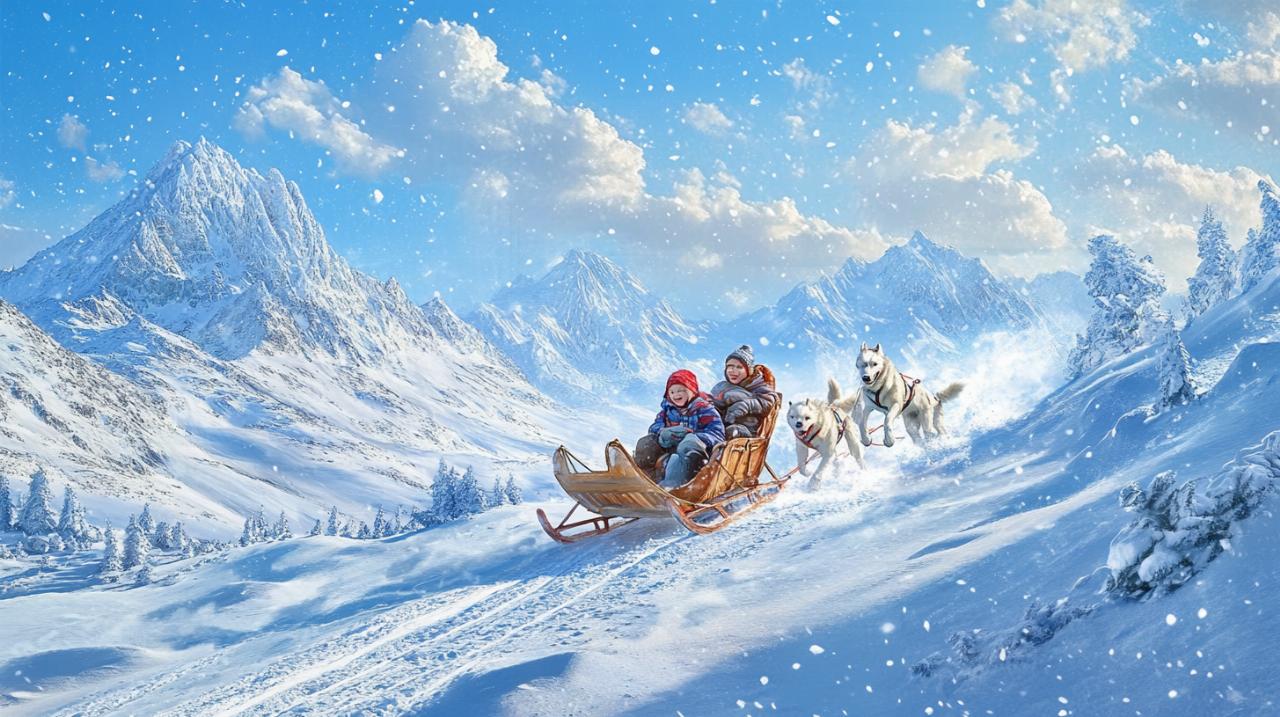
What to ask your musher about baby-friendly dog sledding
Before committing to a dog sledding adventure, engaging in a thorough conversation with the musher is essential. Experienced mushers who welcome families with babies understand the unique concerns parents may have and are prepared to address them comprehensively. Begin by asking about the length and difficulty of the route, ensuring it is suitable for young children and infants. Inquire about the weather conditions expected on the day of your booking and whether the operator has contingency plans for sudden changes in temperature or snowfall.
It is also wise to discuss the health and training of the sled dogs themselves. Responsible operators follow ethical care guidelines that prioritise the wellbeing of their animals. Sled dogs are typically fed diets high in protein and fat to sustain their energy levels, and they receive regular access to water to stay hydrated. The dogs are trained gradually, starting with short runs that build endurance over time, and they are exposed to various weather conditions to develop resilience and trust with their mushers. Rest and recovery are integral to their training regimen, ensuring they remain healthy and enthusiastic about their work. Understanding that the dogs are well cared for adds peace of mind and enhances the overall experience for families.
Making magical memories: the family experience of dog sledding adventures
Interacting with the Sled Dog Team: A Delightful Experience for Children
One of the most enchanting aspects of dog sledding for young families is the opportunity to interact closely with the sled dogs. These animals are not only hardworking athletes but also affectionate and social creatures who enjoy human interaction. Before the ride begins, many operators encourage families to spend time meeting the dogs, learning about their individual personalities, and observing their playful antics. Children, even toddlers, are often captivated by the dogs' enthusiasm and gentle demeanour, creating a sense of wonder that extends far beyond the ride itself.
Watching the dogs work as a cohesive team is an educational experience in its own right. The seamless coordination between lead dogs, swing dogs, team dogs, and wheel dogs demonstrates the power of collaboration and trust. Each dog wears a specially fitted harness designed to distribute weight evenly, and they are connected by ganglines that keep the team aligned and moving in unison. Protective booties shield their paws from injury on snow and ice, a detail that highlights the care and consideration involved in their training and maintenance. For children, witnessing this level of teamwork and mutual respect between humans and animals offers valuable lessons in cooperation and empathy.
Top Scenic Locations for Dog Sledding with Young Families
Choosing the right location can elevate a dog sledding outing from enjoyable to extraordinary. Scenic parks and gentle trails nestled within mountainous areas provide the perfect backdrop for a family-friendly adventure. These locations often feature well-maintained paths that wind through forests blanketed in fresh snow, offering breathtaking views and a tranquil atmosphere. The combination of natural beauty and the rhythmic sound of the sled gliding over snow creates a serene environment that soothes both parents and infants alike.
Regions known for their sled dog traditions, such as Alaska, offer particularly rich experiences, though similar opportunities can be found in various snowy locales around the world. When selecting a destination, consider factors such as accessibility, the availability of family-oriented services, and the reputation of local operators. Some locations offer additional amenities such as warming huts, refreshments, and educational sessions about the history and culture of mushing. These extras can enhance the overall experience, providing comfort and context that deepen your appreciation for this remarkable winter tradition. Ultimately, the goal is to create lasting memories that celebrate the beauty of nature, the bond between humans and animals, and the joy of sharing new experiences as a family.