
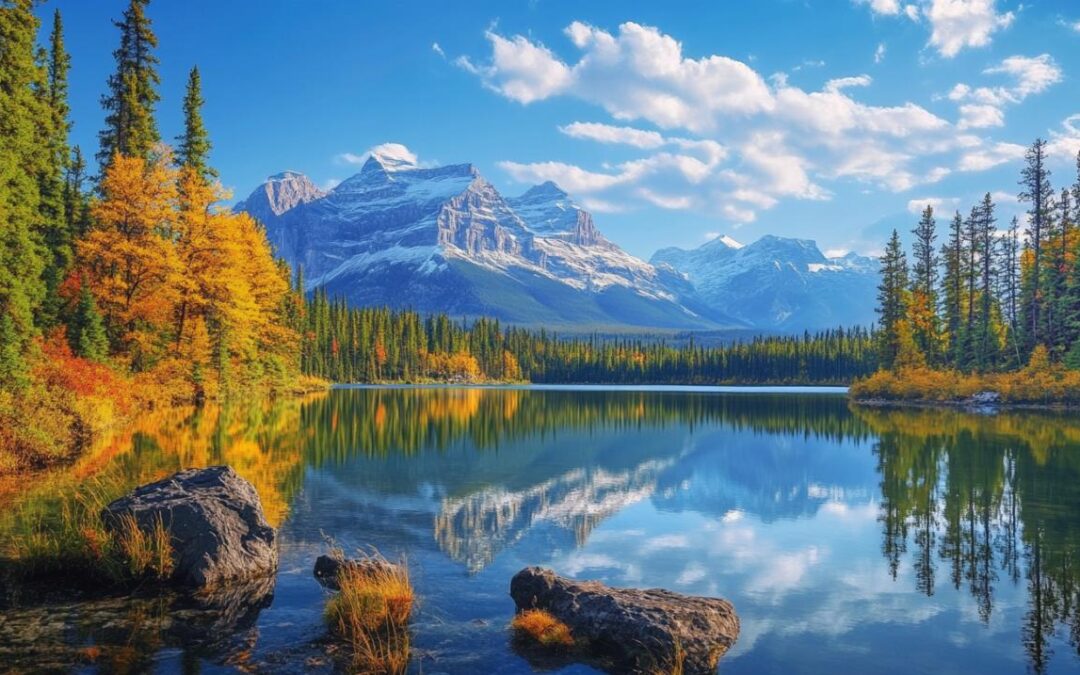
Canada's vast and varied landscapes offer something special in every season, but the period from September through November holds a particular allure for travellers seeking natural beauty and authentic cultural experiences. The autumn months transform this immense country into a canvas of vibrant reds, oranges, and golds, creating one of nature's most breathtaking displays. Beyond the visual splendour, this season presents opportunities to engage with local traditions, enjoy comfortable weather, and explore without the summer crowds.
Understanding canada's diverse climate and seasonal variations
Regional climate differences across the canadian provinces
Canada's sheer size means that climate conditions can vary dramatically from one region to another. The coastal areas of British Columbia enjoy milder temperatures year-round, influenced by the Pacific Ocean, whilst the Prairie provinces experience more extreme temperature swings between seasons. Quebec and Ontario showcase distinct seasonal changes, with hot summers giving way to crisp autumns and cold winters. The northern territories, including Yukon, face harsh winter conditions but offer unique opportunities to witness phenomena such as the Northern Lights during darker months. Understanding these regional differences helps travellers select destinations that align with their comfort levels and interests, whether that means exploring the urban sophistication of Montreal or venturing into the wilderness of Alberta's Rocky Mountains.
How personal preferences shape your ideal canadian holiday
Selecting the best time to visit Canada ultimately depends on what you hope to experience during your journey. Those drawn to winter sports and snowy landscapes will find December through February ideal for skiing in Banff or exploring frozen waterfalls. Spring travellers, visiting between March and May, can witness cities awakening with blooming flowers and enjoy milder temperatures perfect for urban exploration in places like Vancouver. Summer months from June to August bring warmth and extended daylight hours, making it the prime season for hiking, camping, and outdoor adventures in national parks. However, autumn stands out for those seeking a balance of pleasant weather, natural beauty, and cultural richness. The season offers comfortable temperatures, fewer tourists, and the chance to participate in harvest celebrations and seasonal festivals that showcase Canadian traditions.
The Magic of Autumn: Why September to November Stands Out
Spectacular Fall Foliage and Natural Beauty Across the Nation
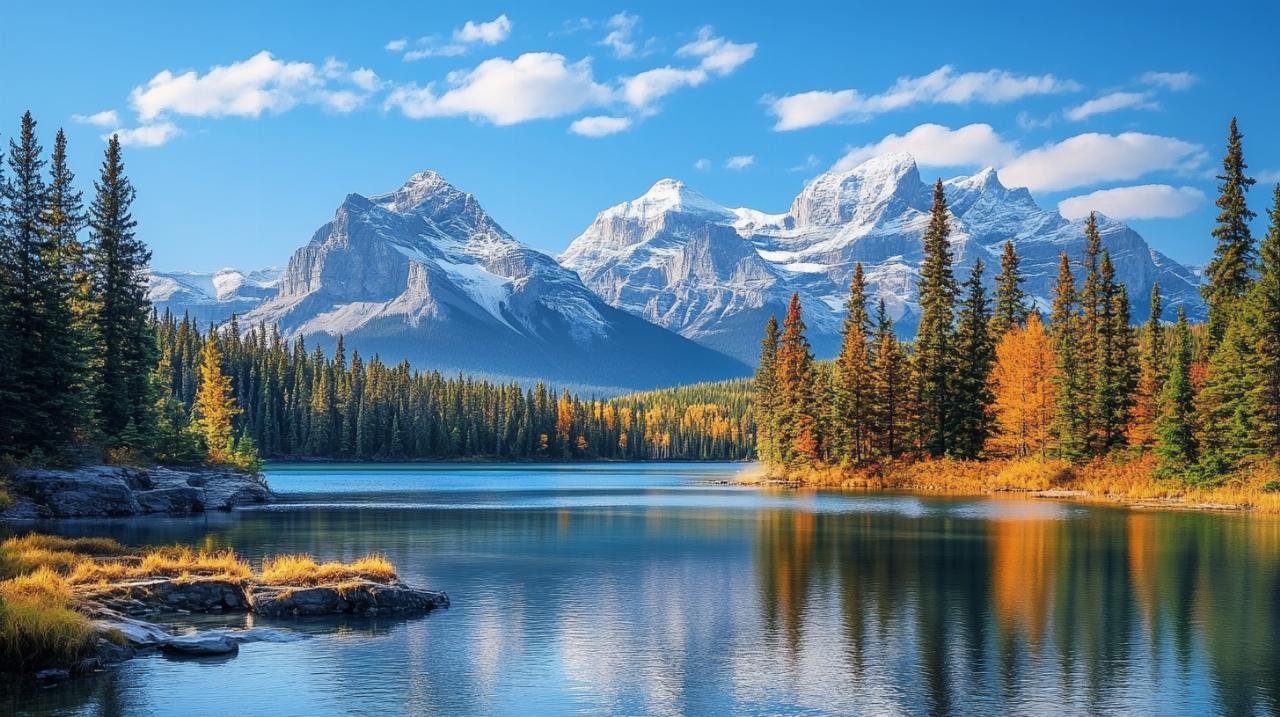
The transformation of Canadian forests during autumn creates one of the most stunning natural spectacles on Earth. As temperatures cool, deciduous trees undergo a remarkable change, their leaves shifting from green to brilliant shades of crimson, amber, and gold. This phenomenon, often called the fall foliage season, attracts nature lovers from around the world who wish to witness the landscape ablaze with colour. The Maple Leaf Trail and routes connecting Niagara Falls to the Rockies offer particularly impressive views, with scenic rail journeys such as the Rocky Mountaineer providing comfortable vantage points to appreciate the changing terrain. Beyond the visual feast, autumn marks significant wildlife activity. The season coincides with peak grizzly bear activity as these magnificent creatures prepare for hibernation, feeding intensively during the salmon run, which ranks among the largest in the world. Bird enthusiasts also find this period rewarding, as numerous species begin their migration southward, creating excellent opportunities for birdwatching across various habitats.
Seasonal festivals, harvest celebrations, and maple syrup traditions
Autumn in Canada brings a wealth of cultural celebrations that reflect the country's agricultural heritage and culinary traditions. Harvest festivals take place across provinces, showcasing local produce and artisan crafts whilst bringing communities together in celebration. Maple tasting events allow visitors to sample various grades of this iconic Canadian product, learning about the production process that turns tree sap into liquid gold. Food lovers can indulge in comforting seasonal dishes, including the beloved poutine, which takes on special significance during cooler months when hearty fare becomes particularly appealing. These festivals and food experiences provide insight into Canadian culture beyond the typical tourist attractions, offering genuine connections with local communities. The combination of fewer crowds during autumn creates a more tranquil travel experience, allowing visitors to engage more deeply with both the natural environment and the people who call Canada home. Pricing for comprehensive autumn tours remains competitive, with options ranging from twelve-day excursions to more extensive sixteen-day adventures that traverse multiple provinces and showcase the best of what this remarkable season offers.
Alternative seasons: exploring canada year-round
Winter wonderland: snow sports and northern lights adventures
For travellers who embrace cold weather and snow-covered landscapes, winter presents Canada at its most dramatic. The months from December through February transform the country into a winter sports paradise, with world-class ski resorts in locations such as Banff offering pristine slopes and luxurious accommodations. Ice skating on frozen lakes, dog sledding through silent forests, and snowshoeing across wilderness trails provide unforgettable experiences for those willing to bundle up against the chill. The northern territories become particularly appealing during winter darkness, as the aurora borealis dances across night skies in displays of green, purple, and pink light. Yukon stands out as an exceptional destination for Northern Lights viewing, combining aurora watching with opportunities to learn about indigenous cultures and experience true wilderness solitude.
Spring Blooms and Summer Warmth: Urban Explorations and Outdoor Pursuits
Spring arrives gradually across Canada, with southern regions experiencing warming temperatures and blooming flowers from March onwards. This season suits travellers interested in cultural attractions and urban exploration, as cities like Montreal and Vancouver shake off winter's grip and outdoor cafés reopen. Gardens burst into colour, and parks become gathering places for locals enjoying the return of pleasant weather. Summer brings the warmest temperatures and longest days, with cities such as Toronto experiencing genuine heat that makes air conditioning essential. National parks reach peak accessibility during these months, with hiking trails fully clear of snow and campgrounds bustling with families and adventure seekers. Opportunities for canoeing, kayaking, and wildlife viewing abound, though popular destinations can become crowded during school holiday periods. Summer also hosts major events, including music festivals and sporting competitions, adding cultural dimension to outdoor adventures. Whilst each season offers distinct advantages, autumn's combination of natural beauty, cultural richness, and comfortable conditions continues to attract discerning travellers seeking the quintessential Canadian experience.