
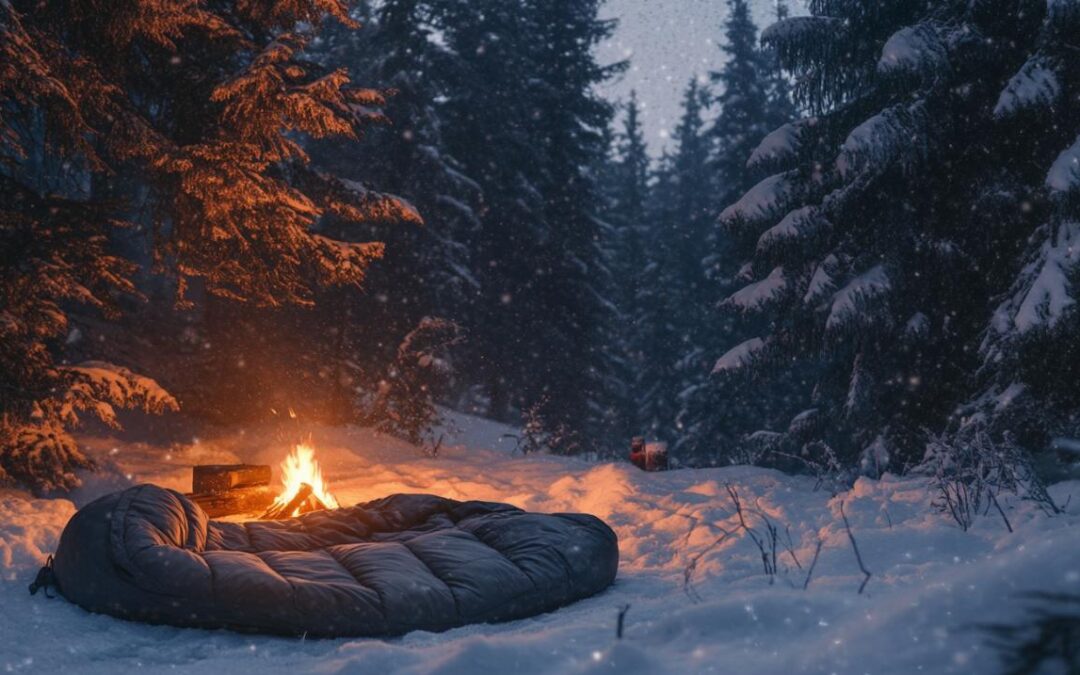
When winter arrives and the temperature plummets, outdoor enthusiasts and adventurers face the critical challenge of staying warm during overnight expeditions. The right sleeping bag can mean the difference between a restful night under the stars and a miserable experience battling the cold. Understanding how to maximise warmth through the combination of high-quality sleeping bags, insulating mats, and strategic use of liners transforms winter camping from an endurance test into an enjoyable escape. Modern gear technology offers a range of solutions designed to keep you comfortable even when the mercury drops well below freezing, ensuring that your passion for the outdoors doesn't have to hibernate during the coldest months of the year.
Choosing the Right Insulation: Down vs Synthetic for Winter Camping
Selecting the appropriate insulation type forms the foundation of any effective winter sleep system. The choice between down and synthetic materials significantly impacts not only warmth but also weight, packability, and performance in varying weather conditions. Each insulation type brings distinct advantages that suit different camping scenarios and personal preferences.
Understanding Down Fill Power and Its Impact on Warmth
Down insulation remains the gold standard for warmth-to-weight ratio, offering exceptional thermal efficiency in a remarkably compact package. The fill power measurement, typically expressed in cuin, indicates the loft and insulating capability of the down. Higher fill power numbers signify superior quality, as the down clusters expand more fully to trap warm air whilst occupying less space and adding minimal weight to your pack. Premium options like the Rab Mythic series exemplify how advanced down technology can deliver extraordinary warmth without the burden of excessive bulk. Down bags excel in dry, cold environments where their insulating properties can shine without the risk of moisture compromising performance. The natural fibres create countless tiny air pockets that retain body heat effectively, making them ideal for alpine expeditions and arctic adventures where staying dry is manageable.
Synthetic Materials: Durability and Performance in Wet Conditions
Synthetic insulation presents a compelling alternative, particularly for conditions where dampness poses a genuine concern. Unlike down, synthetic fibres maintain their insulating properties even when wet, continuing to provide warmth after exposure to moisture from condensation, snow, or unexpected weather changes. This resilience makes synthetic bags the preferred choice for regions with high humidity or unpredictable precipitation patterns. Whilst synthetic materials typically weigh more and pack larger than equivalent down options, modern polyester constructions have narrowed this gap considerably. The Rab Thermic Neutrino exemplifies how contemporary synthetic insulation can deliver fleece-like warmth whilst remaining relatively packable. Synthetic bags also offer practical advantages in terms of maintenance and cost, as they withstand repeated washing more readily and generally carry lower price points than premium down alternatives, making them accessible options for those building their winter camping kit without breaking the bank.
Temperature ratings and mummy design: finding your perfect winter sleep system
Building an effective winter sleep system requires understanding how different components work together to create a barrier against the cold. Temperature ratings and bag design fundamentally determine your comfort level during frigid nights, whilst complementary gear like sleeping mats and liners complete the thermal equation.

Decoding temperature ratings for extreme cold weather adventures
Temperature ratings provide essential guidance when selecting winter sleeping bags, though interpreting these figures requires some nuance. Manufacturers typically specify ratings that indicate the lowest temperature at which an average sleeper should remain comfortable, but individual factors such as metabolism, fatigue, and recent food intake influence actual warmth experienced. For genuine winter expeditions, choosing a bag rated well below the expected low temperatures provides a crucial safety margin. A comprehensive winter sleep system combines an appropriately rated sleeping bag with a high-quality sleeping mat boasting an R-value of five or higher, as this number measures the mat's resistance to heat loss through the ground. Without proper insulation beneath you, even the finest sleeping bag cannot prevent the earth from sapping your body heat. Adding a liner to this combination can boost the overall temperature rating by several degrees, transforming a three-season bag into a capable winter option or providing extra security during particularly severe cold snaps.
Why mummy-shaped bags excel at retaining body heat
The mummy shape has become synonymous with winter sleeping bags for compelling thermal reasons. This tapered design minimises the air space inside the bag, reducing the volume your body must heat whilst eliminating cold pockets that can develop in roomier rectangular bags. The snug fit around the shoulders and the cinchable hood create an effective seal that prevents warm air from escaping and cold drafts from entering. Whilst some campers initially find the confined feeling restrictive, the superior heat retention quickly becomes apparent during freezing nights. The design works synergistically with your base layers and insulated hat or balaclava to create multiple barriers against the cold. However, it's worth noting that wearing excessively thick layers inside a mummy bag can actually reduce warmth by compressing the insulation and limiting its ability to loft properly. Dry, fitted base layers allow the sleeping bag to function optimally, letting the insulation expand fully to trap maximum warm air whilst wicking moisture away from your skin throughout the night.
Weight, Price, and Sustainability: Balancing Features for Winter Expeditions
Practical considerations beyond pure thermal performance influence the final selection of winter camping equipment. Balancing weight against warmth, evaluating cost versus durability, and considering environmental impact all factor into building a sleep system that meets both your adventuring needs and personal values.
Lightweight versus heavy-duty: matching your bag to your trek
The eternal backpacking dilemma of weight versus warmth becomes particularly acute when planning winter expeditions. Ultralight enthusiasts meticulously shave grams from their kit, recognising that every ounce carried over miles of snowy terrain accumulates into significant fatigue. Lightweight options like the Sea to Summit Reactor liner, which adds thermal enhancement at a mere fraction of a kilogramme whilst packing down to compact dimensions, exemplify modern efficiency. These breathable fabrics maintain comfort without adding bulk, making them ideal companions for long-distance winter hikes where every item must justify its space in your pack. Conversely, expeditions involving shorter approaches or base camp scenarios allow for heavier, more robust gear that prioritises maximum warmth and durability over portability. Cotton liners such as the Lifeventure Cotton or Quechua Comfort Cotton options provide the familiar feel of bedsheets and substantial thermal enhancement, though their increased weight and bulk make them better suited to car camping or hut-based adventures rather than extended backcountry treks. Understanding your specific usage patterns helps determine where on this spectrum your ideal gear falls.
Eco-Friendly Options and Value for Money in Premium Winter Sleeping Bags
Sustainability has emerged as a significant consideration for environmentally conscious adventurers seeking to minimise their impact on the landscapes they cherish. Organic cotton liners and responsibly sourced down insulation represent steps towards more ethical outdoor equipment choices, though these options sometimes carry premium prices. The Quechua Comfort Cotton liner demonstrates how sustainable materials can reach accessible price points, offering organic fibres at approximately eighteen pounds. Evaluating long-term value requires looking beyond initial purchase costs to consider lifespan and versatility. A quality sleeping bag liner protects your primary bag from body oils and dirt, dramatically extending its useable life and reducing the frequency of difficult washing or expensive replacement. Silk materials like the Lifeventure Ultimate Silk provide exceptional durability in a lightweight package, justifying their higher cost through years of reliable service. Similarly, investing in premium down bags with high fill power delivers superior performance that maintains loft through countless compression cycles, whilst synthetic alternatives offer budget-friendly entry points with excellent moisture resistance. Supplementary items such as foam backup mats, bivvy bags for additional wind protection, and even simple hot water bottles can enhance warmth without requiring expensive new sleeping bags, demonstrating how thoughtful layering of moderately priced components often outperforms single expensive purchases. Customer service from specialist outdoor retailers provides valuable guidance in navigating these choices, helping match gear selections to specific adventures whilst respecting budget constraints and personal priorities.