
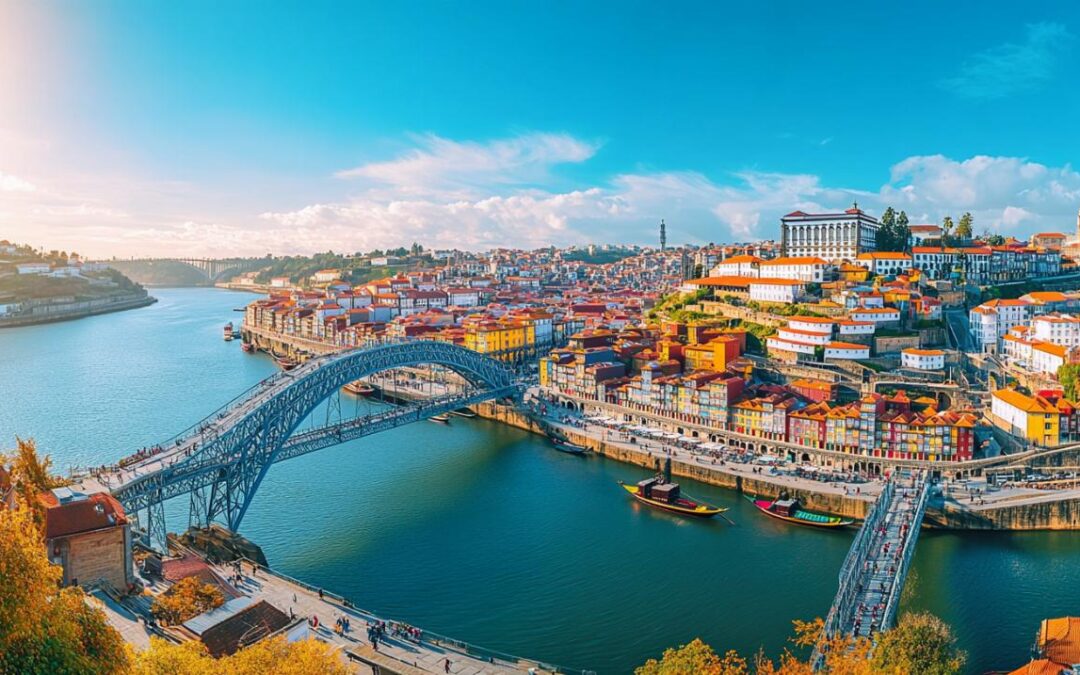
Porto stands as one of Portugal's most captivating destinations, where historic charm meets vibrant contemporary culture along the winding banks of the Douro River. This enchanting northern city rewards visitors with its colourful tiled facades, world-renowned port wine cellars, and an atmosphere that effortlessly blends tradition with modern energy. Whether you're drawn to architectural marvels, culinary delights, or simply wandering through picturesque neighbourhoods, Porto offers an abundance of experiences that can be thoroughly enjoyed over the course of three carefully planned days. With efficient and affordable public transport options connecting every corner of the city, exploring Porto becomes not only accessible but also part of the adventure itself.
Day one: discover porto's historic heart and riverside charm
Morning: Exploring the Enchanting Ribeira District Along the Douro River
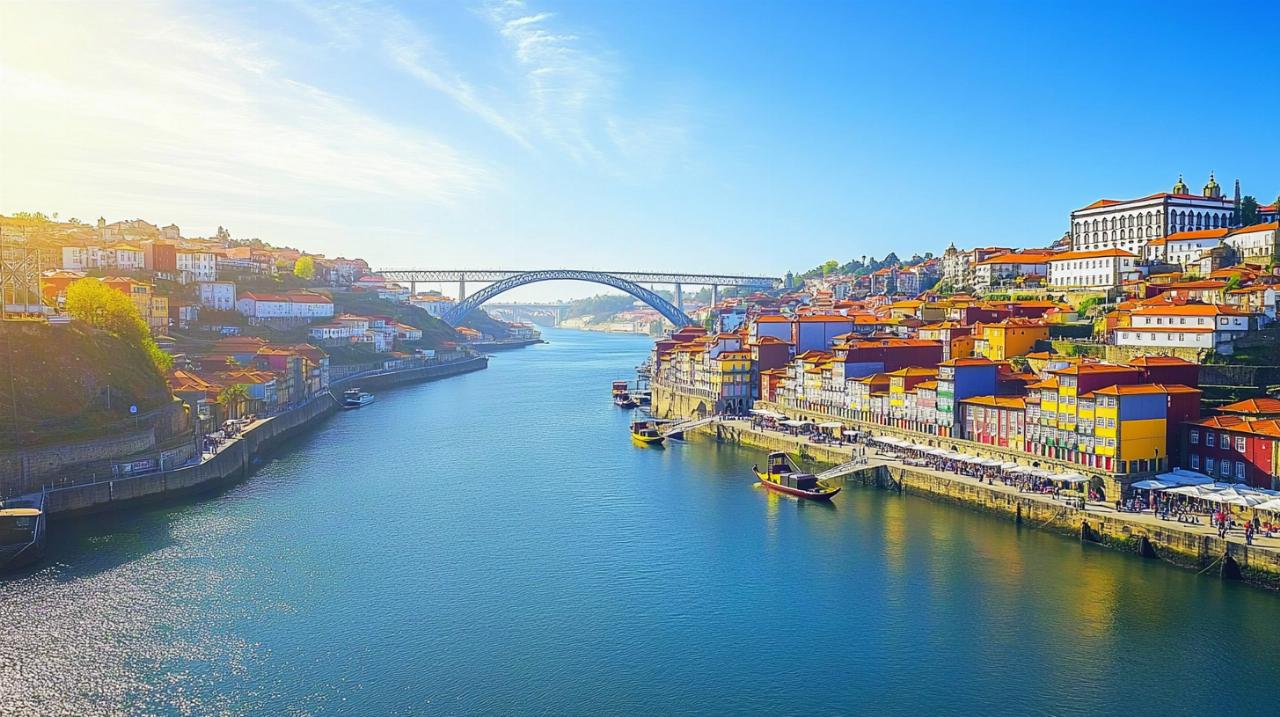
Begin your Porto adventure in the Ribeira district, a UNESCO World Heritage site that captures the very essence of the city's soul. This picturesque area along the Douro River presents a labyrinth of narrow cobbled streets lined with colourful medieval houses that seem to cascade down towards the waterfront. The morning light casts a magical glow across the pastel-coloured buildings, making it an ideal time for photography and gentle exploration. As you wander through these historic lanes, you'll discover charming cafes tucked into ancient archways where locals gather for their morning coffee and pastéis de nata. The riverfront promenade buzzes with activity as traditional rabelo boats bob gently in the water, their wooden frames a reminder of the centuries-old wine trade that built Porto's reputation. Take your time absorbing the atmosphere, watching fishermen mend their nets, and observing the rhythms of daily life that have persisted here for generations. The Ribeira offers countless opportunities to pause at riverside terraces where you can sip a coffee whilst watching the world drift by, creating memories that capture the unhurried elegance of Portuguese life.
Afternoon: Crossing the Iconic Dom Luís I Bridge and Visiting Vila Nova de Gaia's Wine Cellars
After lunch, make your way towards the magnificent Dom Luís I Bridge, an architectural masterpiece that has become synonymous with Porto's skyline. This double-deck metal arch bridge, designed by a student of Gustave Eiffel, connects Porto with Vila Nova de Gaia across the dramatic gorge of the Douro River. Walking across the upper deck provides breathtaking panoramic views that stretch from the historic city centre to the Atlantic Ocean in the distance. The experience itself becomes a highlight of any visit, as the bridge sways gently beneath your feet whilst offering unparalleled vantage points for capturing Porto's beauty. Once across in Vila Nova de Gaia, you'll find yourself in the heart of port wine country, where dozens of historic wine cellars line the riverbank. These lodges have stored and aged Portugal's most famous export for centuries, and many offer tastings and tours that reveal the intricate process behind creating this fortified wine. Wandering between the cellars, you can sample various styles of port whilst learning about the traditions that have made this region famous worldwide. The afternoon sun illuminates the terracotta rooftops across the river, creating a postcard-perfect backdrop as you savour the rich, sweet flavours that have defined Porto's commercial identity for generations.
Day Two: Immersing Yourself in Porto's Cultural Treasures and Architectural Wonders
Morning: Marvelling at the Church of São Francisco and Porto's Religious Heritage
Your second day should begin with a visit to the Church of São Francisco, one of Porto's most extraordinary religious buildings and a testament to the city's baroque splendour. From the outside, this Gothic church appears relatively modest, but stepping through its doors reveals an interior of almost overwhelming opulence. Every available surface seems covered in intricately carved gilded woodwork that gleams in the soft light filtering through stained glass windows. The baroque transformation of this medieval church took place during the seventeenth and eighteenth centuries when Portuguese craftsmen adorned the interior with an estimated two hundred kilogrammes of gold leaf. The effect is simultaneously breathtaking and humbling, offering visitors a glimpse into the wealth and religious devotion that characterised Porto's golden age. Beyond the main nave, the church complex includes a museum and catacombs that provide fascinating insights into Porto's spiritual and social history. Taking time to appreciate the detailed carvings, each telling biblical stories or depicting saints and angels, allows you to understand the importance of religious art in shaping Portuguese cultural identity. The morning hours tend to be quieter, providing a more contemplative atmosphere for absorbing the magnificence of this sacred space without the crowds that gather later in the day.
Afternoon: Booking a Guided Tour to Uncover Hidden Gems and Local History
After experiencing the grandeur of São Francisco, consider booking a guided tour to discover the lesser-known corners of Porto that even seasoned travellers often miss. Local guides possess an intimate knowledge of the city's history, architecture, and contemporary culture that transforms a simple walk into an enlightening journey through time. These tours often venture beyond the main tourist areas into residential neighbourhoods where traditional tile workshops still operate, family-run taverns serve recipes passed down through generations, and street art adorns forgotten walls with vibrant social commentary. A knowledgeable guide can explain the significance of Porto's distinctive azulejo tiles, point out architectural details that reveal the city's Moorish influences, and share stories about the personalities who shaped Porto's character. Many tours also include visits to viewpoints that offer spectacular perspectives of the cityscape, places that might otherwise remain undiscovered during a short visit. Whether you choose a walking tour focused on gastronomy, architecture, or general history, the experience provides context and depth that enriches everything else you see during your stay. The afternoon becomes an opportunity not just to see Porto but to understand it, connecting the dots between past and present whilst gaining appreciation for the resilient spirit that defines this remarkable city.
Day Three: Savouring Traditional Portuguese Cuisine and Navigating Porto with Budget-Friendly Public Transport
Morning: Indulging in Authentic Portuguese Dishes and Local Food Markets
Your final morning in Porto should be dedicated to exploring the city's culinary landscape, which represents one of Portugal's greatest treasures. Start early at the Mercado do Bolhão, a historic covered market where vendors have sold fresh produce, seafood, and regional specialities for over a century. Although the market has undergone renovations, it retains its authentic character with stallholders calling out their wares in rapid Portuguese whilst arranging pyramids of seasonal fruits and vegetables with artistic precision. Here you can sample traditional delicacies, from cured meats and artisan cheeses to freshly baked bread still warm from local bakeries. The market atmosphere provides an authentic glimpse into daily Portuguese life, far removed from tourist-oriented restaurants. After exploring the market, seek out a traditional tasca or tascaria for lunch, where family recipes are prepared with the same techniques used for generations. Dishes like bacalhau à Gomes de Sá, a comforting casserole of salt cod with potatoes and olives, or francesinha, Porto's famously indulgent sandwich smothered in melted cheese and beer sauce, offer substantial and memorable flavours that define northern Portuguese cuisine. These establishments often occupy unassuming locations, identifiable mainly by the locals queuing patiently for tables, but they deliver culinary experiences that rival any upscale establishment whilst remaining remarkably affordable.
Afternoon: Maximising Your Porto Experience with Efficient Tram, Metro, and Bus Routes
Spending your final afternoon mastering Porto's public transport system allows you to cover more ground whilst keeping costs minimal. The city offers an integrated network of metro lines, vintage trams, and comprehensive bus routes that connect all major attractions and neighbourhoods efficiently. Purchasing a rechargeable Andante card provides access to all public transport options at significantly reduced rates compared to individual tickets, making it the most economical choice for visitors planning multiple journeys. The historic Tram 1 route deserves particular attention, travelling along the Douro River from the city centre to the Foz district where the river meets the Atlantic Ocean. This scenic journey aboard a wooden vintage tram offers continuously changing views of the waterfront, passing fishing communities, modern developments, and eventually reaching Porto's beaches. The metro system, though more utilitarian, efficiently connects the airport, city centre, and outlying areas with clean, punctual service. Bus routes fill the gaps, reaching hilltop neighbourhoods and areas where rail lines don't extend. Learning to navigate this system empowers you to explore residential districts, visit outlying attractions, and experience Porto as locals do rather than relying on expensive taxis or tourist shuttles. The afternoon becomes an opportunity to revisit favourite spots, discover new areas you hadn't previously reached, or simply enjoy the rhythm of urban life whilst watching the city pass by through tram or bus windows, creating a fitting conclusion to your three-day Porto adventure.