
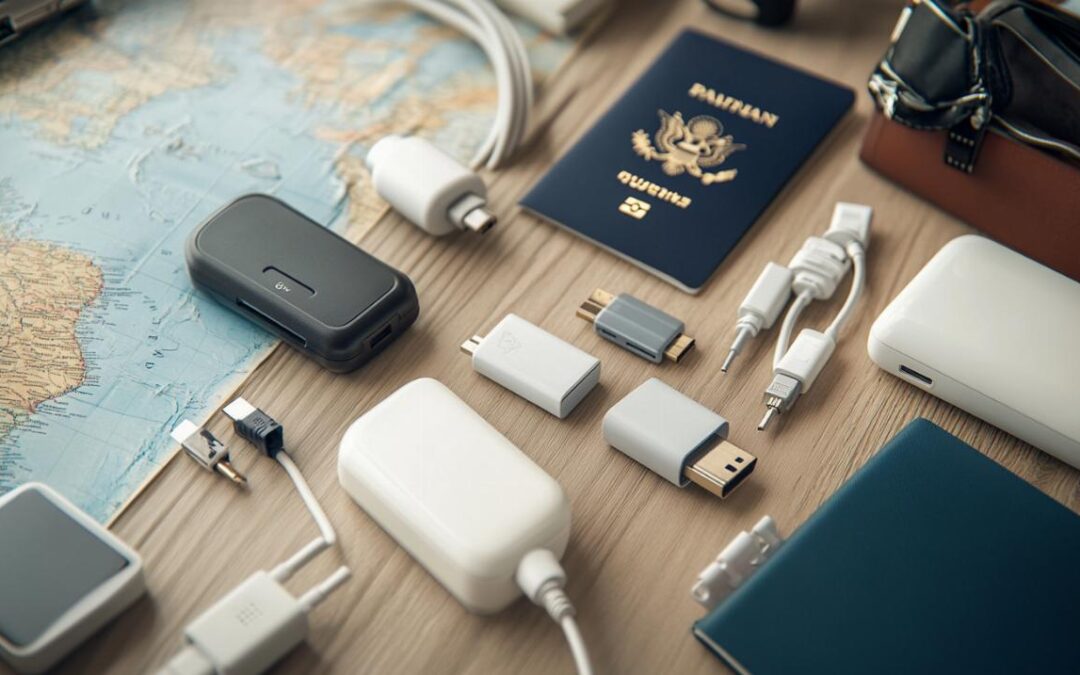
Modern travel demands more than just a suitcase and a passport. As our reliance on electronic devices grows, so does the need for dependable electrical solutions that ensure connectivity, convenience, and safety throughout any journey. Whether traversing bustling European capitals or venturing into remote corners of the globe, having the right electrical equipment can transform a potentially frustrating experience into a seamlessly connected adventure. Understanding which accessories truly matter and how to select them wisely makes all the difference between staying powered up and being left in the dark.
Essential portable power solutions for modern travellers
The contemporary voyager rarely travels light when it comes to electronic devices. Smartphones, tablets, laptops, cameras, and wearable gadgets have become indispensable companions on the road. This proliferation of technology necessitates robust power solutions that can keep pace with demanding itineraries. Portable chargers and multi-port USB hubs have emerged as essential travel accessories for voyages, ensuring that digital lifelines remain active regardless of access to mains electricity. The peace of mind that comes from knowing your devices will not run flat during a crucial moment cannot be overstated, whether you need to navigate unfamiliar streets, capture once-in-a-lifetime photographs, or maintain communication with loved ones back home.
Selecting the Right Portable Charger for Your Journey
Choosing an appropriate portable charger requires careful consideration of capacity, size, and compatibility. Measured in milliampere-hours, capacity determines how many times a charger can replenish your devices before requiring its own recharge. For short day trips or overnight stays, a compact unit offering enough power for one or two smartphone charges may suffice. However, extended expeditions or multi-device scenarios demand higher-capacity models capable of supporting several recharges across different gadgets. Weight and portability also factor significantly into the decision, as travellers must balance power needs against the practicalities of carrying additional bulk. Modern portable chargers increasingly feature fast-charging technology, which can drastically reduce waiting times and prove invaluable during brief layovers or rushed morning departures. Quality and safety certifications should never be overlooked, as inferior products may pose fire risks or damage expensive electronics. Reputable brands typically incorporate protective circuitry against overcharging, overheating, and short circuits, providing an essential layer of security for both the charger and connected devices.
Multi-port usb chargers: keeping all devices running simultaneously
The days of queuing for a single charging point have been rendered obsolete by multi-port USB chargers, which allow simultaneous powering of several devices from one mains outlet. These ingenious accessories prove particularly valuable in hotel rooms or accommodations where electrical sockets are scarce. Advanced models intelligently distribute power across connected devices, detecting each gadget's requirements and delivering optimal charging speeds without overloading the circuit. Some variants include USB-C ports alongside traditional USB-A connections, catering to the latest generation of smartphones, tablets, and laptops that have adopted the newer standard. Compact designs ensure these chargers slip easily into hand luggage without consuming precious packing space, while foldable plugs further enhance portability. When selecting a multi-port charger, attention should be paid to total wattage output, as this determines how effectively the unit can charge multiple power-hungry devices simultaneously. Higher wattage ratings translate to faster charging times and greater versatility, accommodating everything from smartwatches to portable gaming consoles. For families or groups travelling together, these devices eliminate disputes over charging priority and ensure everyone stays connected throughout the journey.
Universal connectivity and protection whilst abroad
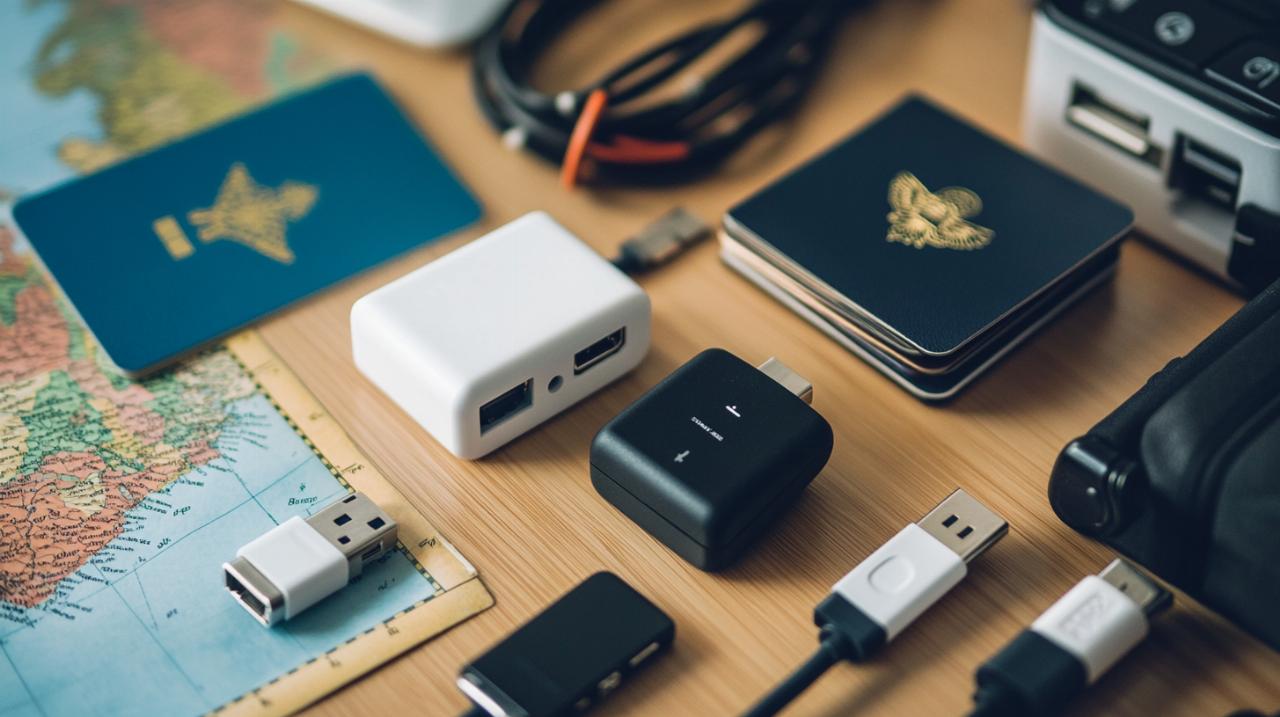
International travel introduces the complication of varying electrical standards and socket configurations. Different countries employ distinct plug types, voltages, and frequencies, creating potential barriers to keeping devices operational. Beyond mere connectivity, fluctuations in power quality can pose serious risks to sensitive electronics, particularly in regions where electrical infrastructure may be less reliable. Addressing these challenges requires strategic investment in universal adapters and protective equipment designed to bridge the gap between incompatible systems whilst safeguarding valuable technology from damage.
Universal plugs and power adapters: navigating international socket standards
Universal travel adapters represent one of the most crucial investments for globe-trotters, offering compatibility across multiple socket types within a single compact unit. These versatile devices typically accommodate the major plug standards used throughout Europe, North America, Asia, and Australasia, eliminating the need to purchase separate adapters for each destination. Sliding mechanisms or interchangeable heads allow users to configure the adapter to match local outlets, whilst the receiving socket accepts plugs from various countries. Quality universal adapters incorporate built-in safety shutters that prevent accidental contact with live components, protecting curious children or unwary users from electrical shock. Some sophisticated models integrate USB ports directly into the adapter body, combining traditional socket conversion with modern charging capabilities in one convenient package. When evaluating universal adapters, travellers should verify that the model covers all countries on their itinerary, as certain regions employ less common socket types that may not be included in basic versions. Checking voltage compatibility is equally important, though most modern electronic devices feature automatic voltage adjustment that accommodates the international standard range. Nonetheless, older appliances or specialised equipment may require separate voltage converters in addition to physical plug adaptation.
Travel surge protectors: safeguarding your electronics from power fluctuations
Power surges and voltage spikes pose significant threats to electronic devices, particularly in destinations where electrical infrastructure may be prone to instability. Travel surge protectors act as a defensive barrier, absorbing excess voltage before it reaches connected equipment and potentially causing irreparable damage. Compact models designed specifically for travel combine surge protection with multiple outlets and USB ports, offering comprehensive defence without occupying excessive luggage space. The protection rating, measured in joules, indicates how much energy the device can absorb before its protective capability is exhausted. Higher joule ratings provide greater longevity and more robust protection, making them preferable for frequent travellers or those visiting regions with notoriously unreliable power supplies. Beyond surge protection, many travel-oriented models include additional features such as EMI and RFI filtering, which reduces electromagnetic and radio frequency interference that can disrupt device performance. Indicator lights inform users when protection is active and functioning correctly, offering reassurance that connected devices remain shielded. For those carrying particularly valuable or sensitive equipment such as professional camera gear, laptops containing critical work, or medical devices, surge protection transitions from optional to essential. The relatively modest investment in a quality surge protector pales in comparison to the potential cost of replacing damaged electronics or losing irreplaceable data due to an avoidable power incident.