
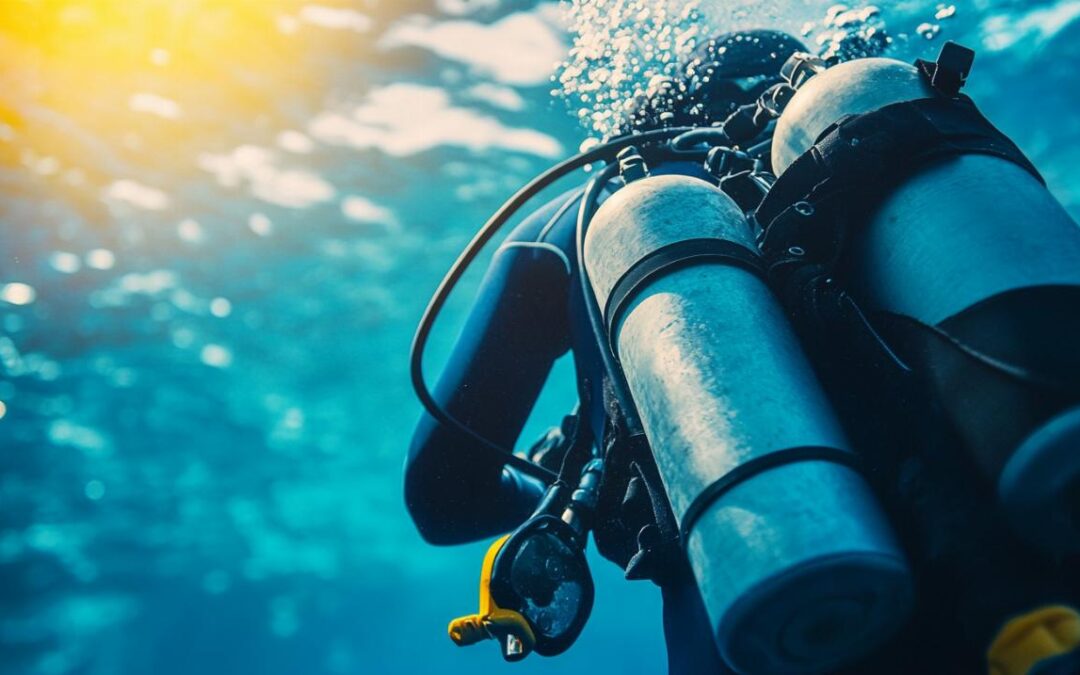
For those new to the underwater world, the contents of a diving cylinder often remain something of a mystery. Many beginners assume these robust tanks simply hold pure oxygen, yet the reality is considerably more nuanced and fascinating. The gases compressed within a dive tank are carefully selected to suit the depth, duration, and type of diving activity planned, ranging from standard air for casual reef exploration to complex helium-based blends reserved for the most demanding technical dives. Understanding what lies inside these cylinders is not merely a matter of curiosity; it forms the foundation of safe and effective diving practice across all skill levels.
Understanding what's inside your dive cylinder: beyond just oxygen
The Basics of Compressed Air and Common Gas Mixes for Recreational Divers
Contrary to popular belief, the majority of diving cylinders are not filled with pure oxygen but rather with compressed air, the same mixture we breathe on the surface. This air comprises approximately twenty-one percent oxygen and seventy-nine percent nitrogen, a composition that proves perfectly adequate for most recreational diving activities. The nitrogen present in the mixture serves a crucial role, acting as an inert gas that prevents oxygen toxicity, a dangerous condition that can occur when oxygen levels become too elevated under pressure. Standard compressed air remains the most common choice for divers exploring depths within the recreational limits, offering a reliable and straightforward solution for underwater breathing.
However, the versatility of modern diving equipment and gas blending has introduced several alternative mixtures designed to enhance safety and performance. Whilst air suffices for shallow to moderate depths, breathing it deeper than thirty-five to forty metres can induce gas narcosis, a disorienting condition caused by nitrogen under pressure. To address this, divers may choose different gas mixtures tailored to their specific dive profiles. The filling process, carried out by a compressor, ensures that the gas is both clean and safe for divers to breathe. These cylinders, whether constructed from steel or aluminium alloy, function as high-capacity reservoirs, holding a significant quantity of gas measured in litres and pressurised to around two hundred bars. This substantial pressure enables divers to carry enough breathable gas to explore underwater environments for extended periods, whether in cold waters or vibrant reef ecosystems.
How nitrox and enriched air extend your bottom time safely
Nitrox, also known as enriched air, represents one of the most popular alternatives to standard compressed air for recreational divers. This gas mixture contains a higher concentration of oxygen and a correspondingly reduced proportion of nitrogen, typically ranging from thirty-two to forty percent oxygen. The most widely used blend, EAN32, features thirty-two percent oxygen and offers divers the advantage of longer bottom times or an additional safety margin by reducing nitrogen absorption during the dive. This reduction in nitrogen load can also decrease the risk of decompression sickness, making nitrox an appealing choice for those planning multiple dives in a single day.
Despite its benefits, nitrox requires careful management and precise labelling to ensure diver safety. Cylinders containing nitrox must be clearly marked with distinctive yellow and green inscriptions, along with notations such as EAN, Enriched Air, or Nitrox. Additionally, these tanks should display the diver's name, the exact gas composition, the date of filling, the blender's designation, and the maximum operating depth, commonly abbreviated as MOD. For instance, EAN32 can be breathed safely to slightly beyond thirty metres, but exceeding this depth increases the risk of oxygen toxicity. Cylinders with more than twenty-three percent oxygen, and certainly those exceeding forty percent, necessitate special cleaning and valve preparation to prevent contamination that could lead to combustion or other hazards. This meticulous attention to detail underscores the importance of proper training and adherence to safety protocols, particularly for those new to enriched air diving.
The Anatomy and Specifications of Dive Tanks: Materials, Pressure, and Capacity
Steel versus aluminium alloy cylinders: which suits your diving needs
Diving cylinders are manufactured from either steel or aluminium alloy, each material offering distinct advantages depending on the diver's preferences and the nature of the diving activity. Steel cylinders are renowned for their robustness and superior buoyancy characteristics, often proving negatively buoyant when empty. This quality can reduce the amount of lead weight a diver needs to carry, thereby improving overall comfort and streamlining underwater movement. Steel tanks are particularly favoured by divers who appreciate the durability and longevity of the material, as well as those who dive in environments where buoyancy control is paramount.
Aluminium cylinders, by contrast, tend to be lighter and more corrosion-resistant, making them a popular choice for tropical diving and rental operations. These tanks typically become positively buoyant as they empty, which can require divers to adjust their weighting accordingly. Aluminium cylinders are often fitted with rubber feet or slippers at the base, designed to prevent the tank from tipping over during storage and to protect the cylinder's base from damage. However, opinions on these accessories vary; some divers argue that the feet can encourage leaving cylinders standing unsupported, potentially leading to accidents, whilst others appreciate the convenience and protection they offer. Interestingly, newer steel cylinders are increasingly being manufactured with flat bottoms similar to their aluminium counterparts, reflecting evolving design preferences within the industry.

Reading Tank Pressure and Volume: Why Bars and Litres Matter Underwater
Understanding the pressure and volume specifications of a diving cylinder is essential for managing gas consumption and ensuring a safe dive. Cylinder capacity is typically expressed in litres, representing the internal water capacity of the tank, whilst pressure is measured in bars or atmospheres. A straightforward method to estimate the total gas available involves multiplying the cylinder's water capacity by the gas pressure in atmospheres. For example, a ten-litre cylinder pressurised to two hundred atmospheres contains approximately two thousand litres, or two cubic metres, of gas. This simple calculation provides a useful approximation for dive planning and helps divers gauge how long their gas supply will last at various depths and activity levels.
For those seeking greater precision, the Van der Waals equation offers a more accurate calculation by accounting for the behaviour of real gases under compression, as opposed to the ideal gas law. Real-world examples illustrate the differences: a ten-litre cylinder at one hundred atmospheres holds around one thousand and fifty-three litres, whilst at two hundred atmospheres it contains two thousand and forty-two litres, and at three hundred atmospheres approximately two thousand seven hundred and sixty-three litres. Similarly, a fifteen-litre cylinder at one hundred atmospheres yields one thousand five hundred and eighty litres, increasing to three thousand and sixty-three litres at two hundred atmospheres, and four thousand one hundred and forty-five litres at three hundred atmospheres. Dive computers play a vital role in monitoring cylinder pressure throughout the dive, providing real-time data that helps divers avoid running low on gas and extending their time in the water safely. Regularly checking your equipment and servicing your cylinders ensures that these measurements remain reliable, safeguarding against unexpected failures.
Advanced Gas Blends for Technical Diving: From Trimix to Safety Protocols
Helium-Based Trimix Explained: Managing Depth and Narcosis on Deep Dives
Technical diving ventures beyond the recreational limits, often reaching depths where standard air or nitrox would prove unsafe due to nitrogen narcosis and oxygen toxicity. To mitigate these risks, technical divers employ trimix, a sophisticated gas blend comprising oxygen, nitrogen, and helium. The inclusion of helium serves to reduce the narcotic effects associated with breathing nitrogen at depth, allowing divers to maintain clarity and control during deep dives. Trimix cylinders are clearly labelled with the designation TMx followed by the percentages of oxygen and helium, such as TMx 20/20, which indicates twenty percent oxygen and twenty percent helium, with the remainder being nitrogen.
There are two primary categories of trimix: normoxic and hypoxic. Normoxic trimix contains twenty-one percent oxygen, making it safe to breathe at any stage of the dive, from the surface to the target depth. Hypoxic trimix, on the other hand, contains less than twenty-one percent oxygen and is formulated for extremely deep dives. Because hypoxic blends cannot be safely breathed at shallower depths without risking hypoxia, technical divers must carry an additional travel gas for the descent and ascent phases. The complexity of managing multiple gas mixtures demands rigorous training and meticulous planning, underscoring the advanced nature of technical diving. In some cases, divers may use heliair or heliox, less common mixtures that further tailor the gas composition to specific dive requirements. Pure oxygen is also employed during decompression stops to accelerate off-gassing, though this requires a thorough understanding of oxygen toxicity and precise buoyancy control to ensure safety.
Essential maintenance and safety checks: keeping your equipment reliable
Maintaining diving cylinders in optimal condition is paramount to diver safety and the longevity of the equipment. Visual cylinder tests should be conducted every two and a half years, whilst hydrostatic tests are required every five years to verify the structural integrity of the tank. Cylinders containing more than twenty-three percent oxygen necessitate special cleaning to remove any contaminants that could react with the elevated oxygen levels, potentially causing combustion or other hazardous incidents. This maintenance regime ensures that tanks remain safe and reliable, regardless of the gas mixture they contain.
Transporting and storing diving cylinders also demand careful attention to prevent damage and ensure safety. Cylinders should be securely fastened during transport to avoid shifting and potential accidents, particularly in vehicles. Regulations in some regions may restrict the carrying of fully loaded cylinders, prompting divers to consider borrowing tanks at their dive sites to avoid transport complications. When travelling by air, cylinders must be completely empty with valves removable for inspection, adhering to strict airline safety protocols. Proper storage includes keeping cylinders in a cool, dry environment and, if rubber feet are fitted, ensuring they do not trap moisture that could lead to rust. By adhering to these maintenance and safety practices, divers can enjoy peace of mind knowing their equipment is in top condition, ready for the next underwater adventure. Whether you're a beginner exploring open water for the first time or an experienced technical diver pushing the limits, understanding and respecting the contents and care of your diving cylinders remains fundamental to a safe and rewarding diving experience.