
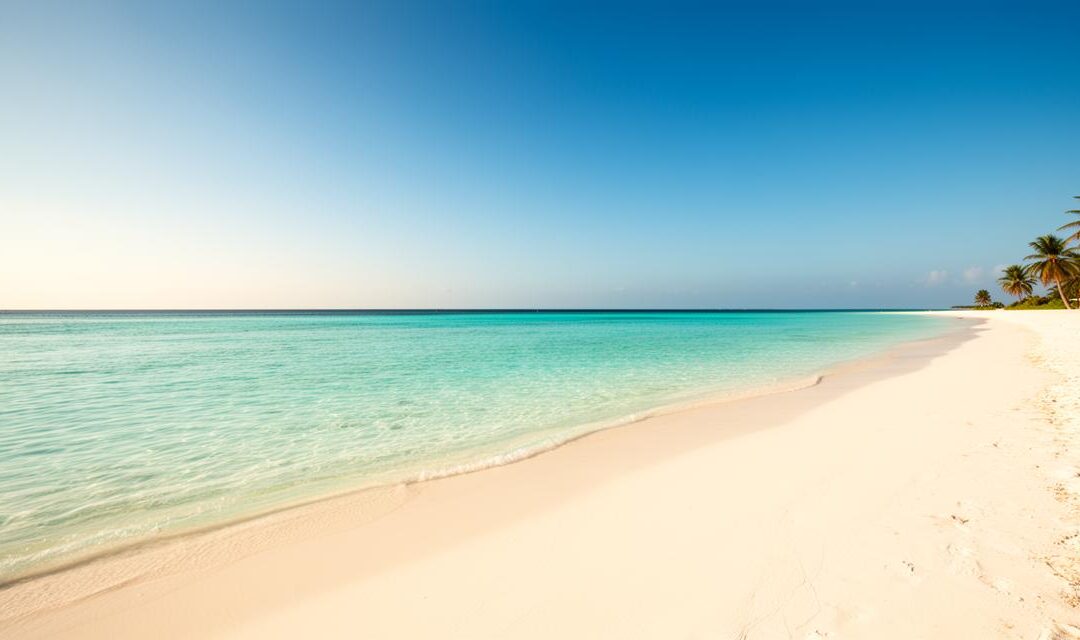
The Maldives in February offers a tempting blend of golden sunshine, calm turquoise waters and some of the finest marine encounters on the planet, making it a firm favourite for travellers wanting to escape grey winter skies. Sitting firmly within the archipelago’s dry season, this month strikes a rather lovely balance between reliable weather and extraordinary underwater experiences, though it does come with a few considerations worth knowing before you book your flights.
Key takeaways
- February is one of the best times to visit the Maldives, offering consistent sunshine, warm temperatures, and low rainfall as part of the peak dry season.
- The calm, clear waters during this month provide ideal visibility for snorkeling and scuba diving enthusiasts exploring coral reefs.
- February offers prime opportunities to encounter large marine species, including manta rays and whale sharks, particularly around islands like Dhigurah.
- Sustainable tourism is essential, as overcrowding and improper swimming practices can disrupt the natural behavior of endangered whale sharks.
- Travelers should prioritize eco-conscious operators that support genuine conservation efforts and scientific research rather than those focused solely on profit.
- Visitors can contribute to marine health by using biodegradable sunscreen and following strict guidelines to maintain a respectful distance from wildlife.
February Weather Patterns in the Maldives: What to Expect
Temperature Ranges and Sunshine Hours Throughout the Month
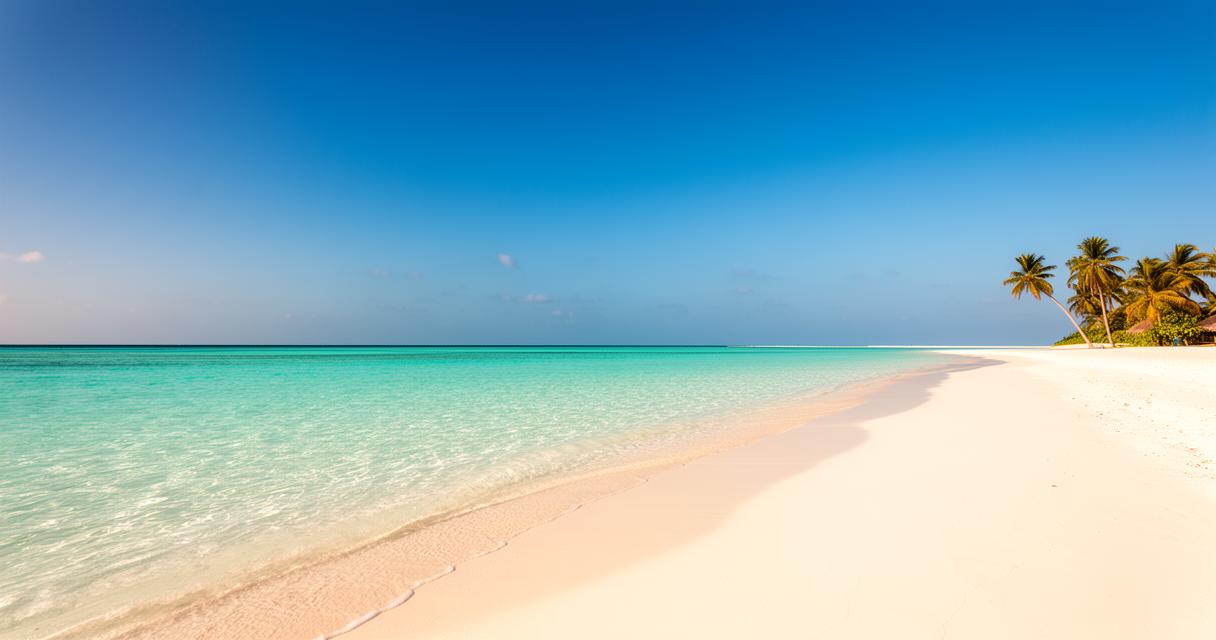
February sits comfortably within the Maldives’ celebrated peak season, which typically runs from January through to April, and it’s often regarded as one of the driest stretches of the year. Visitors can expect daytime temperatures hovering around 30C, with plenty of sunshine hours to fill your days on the beach or out on the water. The islands maintain a fairly consistent climate year-round, generally ranging between 25C and 30C, though February tends to sit towards the warmer, sunnier end of that spectrum without quite reaching the sweltering heights of April, which is typically the hottest month with temperatures climbing to around 32C. This makes February a rather sensible choice for those wanting warmth without the most intense heat of the season.
Rainfall and Humidity Levels During the Dry Season
One of the biggest draws of visiting during this period is the notably low rainfall. February is frequently cited as the driest month of the year in the Maldives, a stark contrast to the rainy season that stretches from May through November and peaks dramatically in September and October. Humidity levels remain manageable during February, and the skies tend to stay clear far more often than not, though this popularity does mean the islands get rather busy with tourists chasing the same reliable conditions. If you’re the type of traveller who prefers a quieter atmosphere, it’s worth knowing this is one of the more crowded times to visit, though the trade-off in weather reliability is often considered well worth it.
Prime Conditions for Diving and Marine Life Encounters
Visibility and Water Temperatures for Snorkelling Adventures
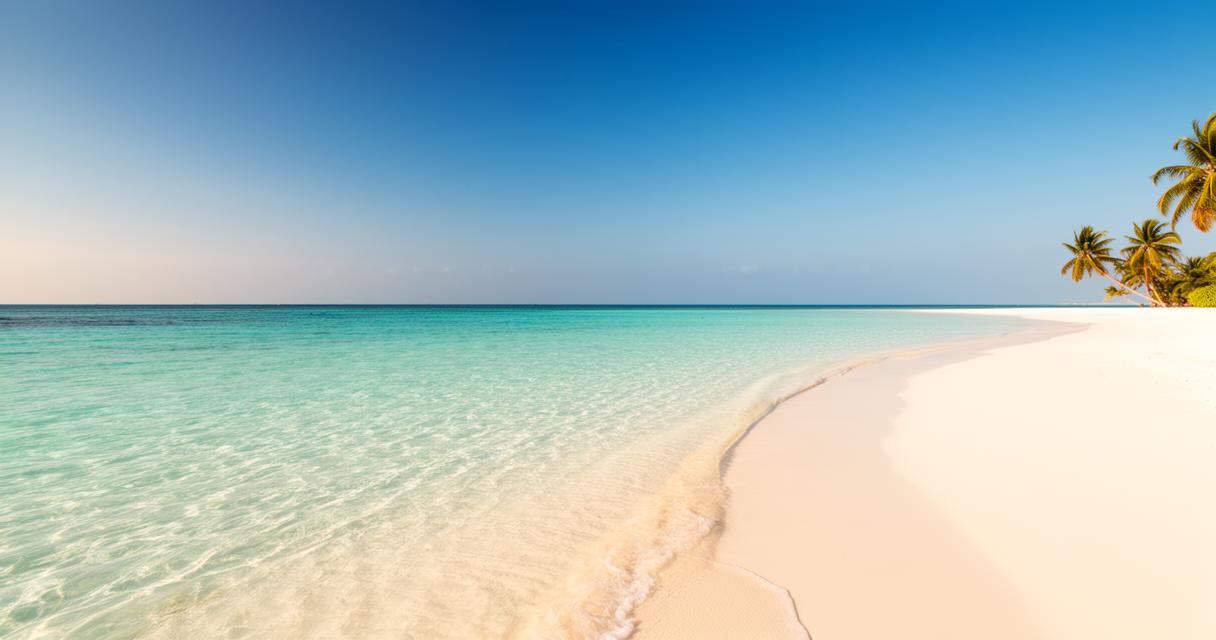
Underwater visibility during February is genuinely superb, building on the excellent conditions established back in January when divers enjoy some of the clearest waters of the year. Warm sea temperatures paired with minimal rainfall create ideal conditions for snorkelling and scuba diving alike, allowing sunlight to penetrate deeper and illuminate the vibrant coral reefs and abundant sea life below. This period sits within the wider window considered best for scuba diving, which generally spans from December through to May, giving travellers a generous stretch of time to plan their underwater adventures around this favourable stretch of clarity and calm seas.
Best Dive Sites for Spotting Whale Sharks and Manta Rays
The Maldives is justly famous for its encounters with ocean giants, and February offers a wonderful opportunity to spot both manta rays and the awe-inspiring whale sharks that frequent these waters. Islands such as Dhigurah have become particularly renowned amongst divers and researchers alike, known for their consistent whale shark presence throughout much of the year. These extraordinary creatures, which are sadly classified as endangered, can grow up to thirteen metres in length and weigh over ten tons, making any encounter with them a genuinely humbling experience. While turtle nesting season falls later in the year around May and June, with hatchlings emerging in July and August, February remains a strong month for spotting the larger pelagic species that draw divers from across the globe.
Responsible wildlife watching: sustainable practices for observing ocean giants
Ethical Guidelines for Swimming with Whale Sharks and Marine Species
Swimming alongside a whale shark is undeniably magical, but it raises important questions about how this experience is managed and whether tourism practices genuinely serve conservation. The Maldives Whale Shark Research Programme, often referred to as MWSRP, has been instrumental in studying these gentle giants and advocating for their protection, working alongside government-established Marine Protected Areas designed specifically to safeguard whale shark habitats. Despite these efforts, concerns remain about overcrowding, as large groups of snorkellers converging on a single animal can cause unnecessary stress and disrupt natural behaviour. Responsible visitors should maintain respectful distances, avoid touching or chasing marine life, and always follow the guidance of qualified guides who understand the delicate balance required to protect these species long-term.
Choosing eco-conscious tour operators and conservation initiatives
Whale shark tourism generates substantial revenue for the Maldivian economy, contributing over nine million dollars annually, figures that pale in comparison to destinations like Mexico and the Philippines where the industry generates upwards of thirty million dollars. This economic value underscores why sustainable tourism and community-based initiatives matter so deeply, as poorly managed operations risk undermining the very wildlife that draws visitors in the first place. Some travel experiences marketed as scientific research trips have faced criticism for lacking genuine scientific rigour, leaving participants disappointed despite considerable costs often exceeding two thousand euros per person. Prospective visitors are encouraged to research operators carefully, seeking those genuinely invested in data collection regarding water salinity, temperature shifts linked to climate change, and long-term population monitoring rather than simply offering a tourist spectacle. Small, practical choices also make a difference, such as opting for biodegradable sunscreen before entering the water, which helps prevent harmful chemicals from damaging fragile coral ecosystems. Ultimately, choosing operators aligned with genuine conservation values, respecting local culture including observances like Ramadan, and supporting community-based tourism initiatives ensures that the extraordinary marine life of the Maldives remains protected for generations of travellers still to come.