
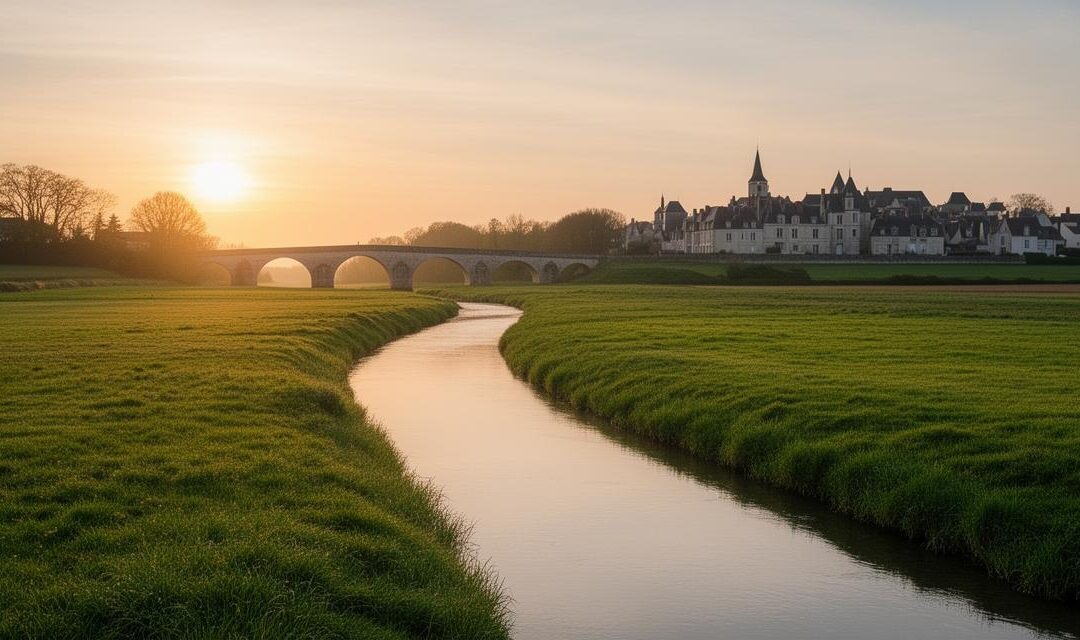
Few regions in the world pack quite so much architectural splendour into so compact a stretch of countryside as Île-de-France. Beyond the familiar postcard views of Paris, this region offers a sweeping tapestry of royal palaces, medieval fortresses, tranquil gardens and modern art spaces that together tell the story of French history from the Middle Ages to the present day. Whether you are wandering along the Seine or venturing further afield to Fontainebleau, there is an architectural wonder waiting around every corner.
The essentials
- The Île-de-France region features a diverse collection of historical landmarks, ranging from medieval fortresses to iconic royal palaces.
- The Palace of Versailles and the Château de Fontainebleau serve as prime examples of French royal architecture, showcasing centuries of political and artistic history.
- The Château de Vincennes provides a unique architectural contrast by blending defensive medieval fortifications with later Renaissance elegance.
- Paris functions as an open-air museum where world-class institutions like the Louvre and the Centre Pompidou house centuries of artistic innovation.
- The region's numerous parks and green spaces offer peaceful settings that allow visitors to appreciate architectural monuments at a more relaxed pace.
- Navigating the Seine and surrounding canal networks provides a distinct perspective on the city's iconic landmarks and its overlooked maritime history.
Discovering royal châteaux and unesco world heritage treasures
No exploration of the Paris region would be complete without a visit to the Palace of Versailles, the grand former royal residence transformed under the reign of Louis XIV into a symbol of absolute monarchy and artistic ambition. Wandering through the dazzling Hall of Mirrors, visitors can almost picture the courtiers and diplomats who once filled these halls, while the vast formal gardens beyond offer an entirely different kind of beauty, one built on symmetry, water features and manicured hedgerows stretching towards the horizon. It remains one of the most visited royal residences on earth, and rightly so, given its extraordinary historical significance.
The Magnificent Palace of Fontainebleau: A Journey Through Centuries of French History
Slightly less crowded than Versailles but no less impressive, the Château de Fontainebleau has been home to French monarchs for over seven centuries, from medieval kings through to Napoleon himself. Its architecture reflects a fascinating blend of styles, layered one upon another as successive rulers added their own touches. The horseshoe staircase, the ornate ballroom and the sprawling forest surrounding the estate make Fontainebleau a wonderfully atmospheric day trip, offering a quieter but equally rich alternative to its more famous neighbour.
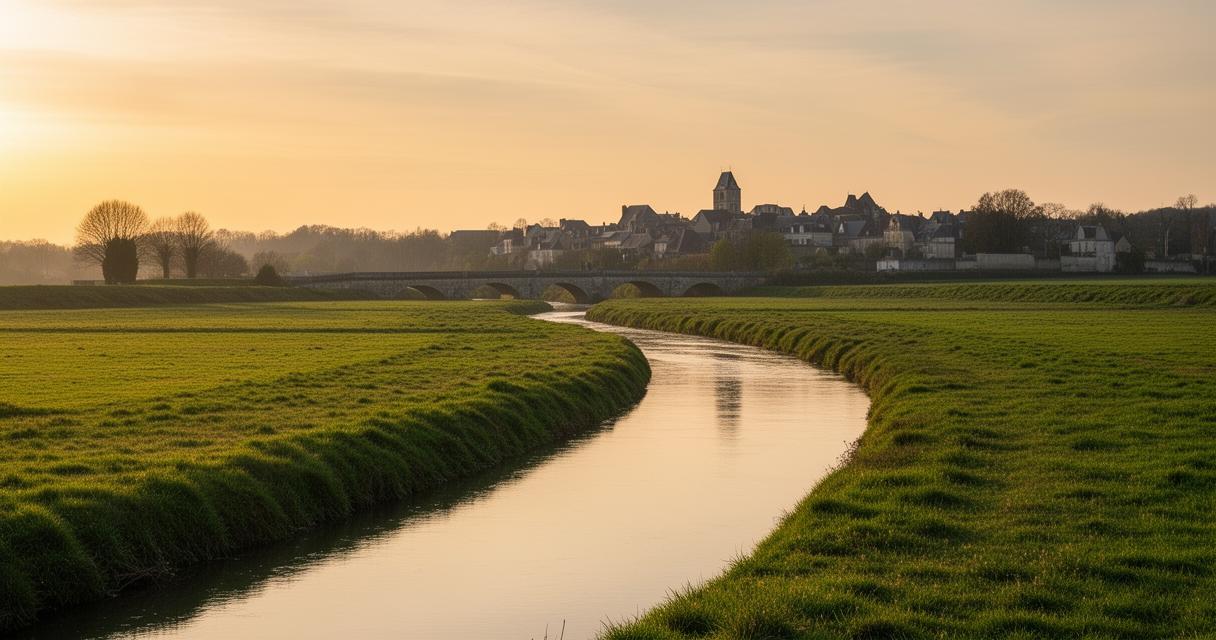
Château de vincennes: medieval fortress meets renaissance elegance
To the east of Paris stands the imposing Château de Vincennes, a fortress whose towering keep once served as a royal residence and later as a state prison. Unlike the ornamental grandeur of Versailles, Vincennes retains a rugged, defensive character, its thick stone walls and moat hinting at a turbulent past. Yet within its grounds, elements of Renaissance elegance also emerge, making it a fascinating study in architectural contrast and a favourite among visitors keen to explore France's medieval heritage away from the busier tourist trails.
Immersive cultural experiences across parisian districts and gardens
Paris itself is often described as an open-air museum, and nowhere is this more evident than in its historic districts and green spaces. The Louvre Museum, originally built as a fortress before becoming the world's largest museum, houses treasures such as the Mona Lisa alongside countless other masterpieces spanning millennia of human creativity. Its glass pyramid entrance, a striking modern addition to a centuries-old building, has itself become an architectural icon in its own right.
Strolling through historic district parks: green spaces where architecture meets nature
Between visits to grand monuments, travellers would do well to slow down and wander through the region's many parks and gardens. These green spaces often sit directly beside architectural landmarks, creating a pleasant rhythm of stone and greenery. Some highlights worth including on any itinerary are:
- The gardens surrounding Notre Dame Cathedral, offering quiet riverside views
- The tree-lined avenues near the Arc de Triomphe, ideal for a leisurely walk
- The peaceful courtyards close to the Panthéon, resting place of notable French figures
These pockets of calm provide a welcome contrast to the bustle of central Paris, allowing visitors to appreciate the architecture at a more relaxed pace.
World-class exhibitions and museums: unveiling île-de-france's artistic legacy
Beyond the Louvre, the region boasts an impressive concentration of museums and exhibition spaces. The Centre Pompidou, with its bold exterior of exposed pipes and escalators, stands in stark contrast to the classical facades found elsewhere in the city, showcasing an extensive collection of contemporary art. Meanwhile, the delicate stained-glass windows of Sainte-Chapelle demonstrate an entirely different artistic tradition, one rooted in Gothic craftsmanship and medieval devotion. Together, these sites highlight just how varied and layered the artistic legacy of Île-de-France truly is.
Nautical Adventures and Scenic Waterways Around the City of Light
For those wishing to see the region's landmarks from a fresh angle, the waterways of Île-de-France offer a wonderfully different perspective. Gliding along the Seine, passengers can take in the silhouette of the Eiffel Tower, an iconic monument and genuine engineering feat that was initially met with controversy before becoming the beloved emblem it is today.
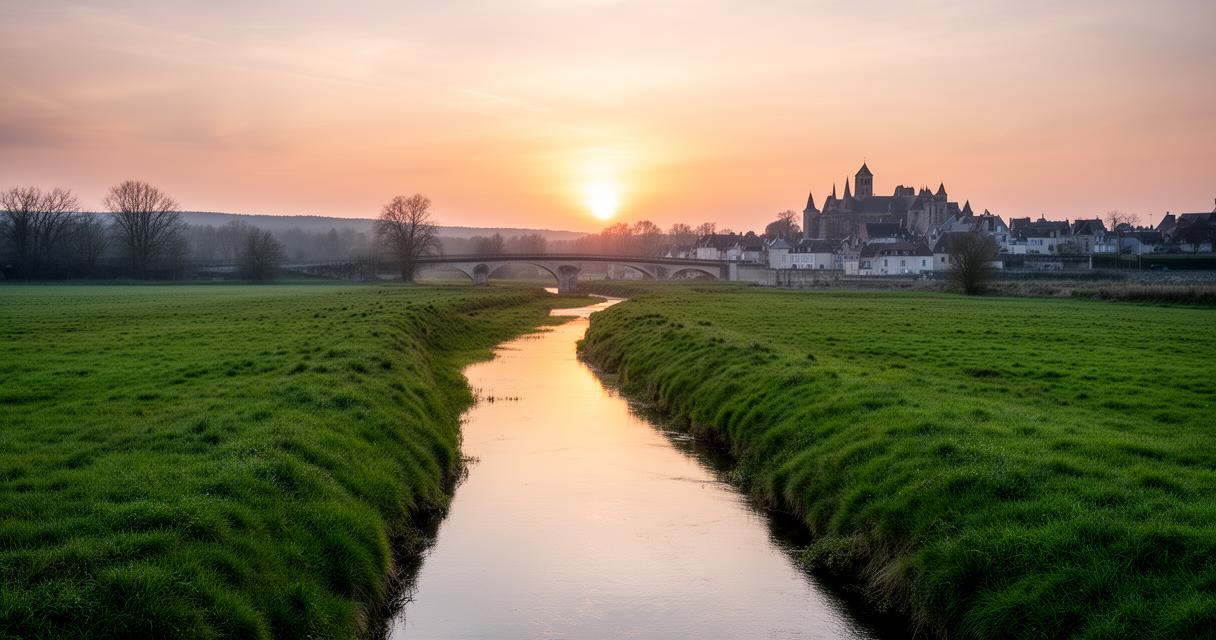
Seine River Excursions: Architectural Marvels from a Different Perspective
A boat trip along the Seine reveals the city's Gothic architecture and grand facades in a way that walking simply cannot match. Notre Dame Cathedral, still undergoing restoration following the devastating fire of 2019, remains a moving sight from the water, its towers rising above the riverbank as a reminder of both the fragility and resilience of historic monuments. These river excursions offer a peaceful, informative way to appreciate the scale and detail of the city's most cherished buildings.
Canal networks and waterside heritage: exploring île-de-france's maritime character
Beyond central Paris, a quieter network of canals winds through the wider region, revealing a lesser-known maritime character shaped by centuries of trade and transport. These waterways, lined with charming bridges and old warehouses, offer a glimpse into the practical, working history that underpinned the grandeur of royal palaces and cathedrals alike.
Whether exploring by boat, on foot through historic parks, or marvelling at royal residences such as Versailles and Fontainebleau, visitors to Île-de-France are rewarded with an extraordinary blend of history, art and natural beauty. A little planning goes a long way: booking tickets in advance, making good use of public transport, wearing comfortable shoes for long days of walking, and packing snacks and water can make all the difference. For those wanting deeper insight into the stories behind each monument, guided tours remain an excellent option. Ultimately, this remarkable region rewards curiosity, offering endless opportunities to experience the beauty and history that make it one of the world's most captivating travel destinations.