
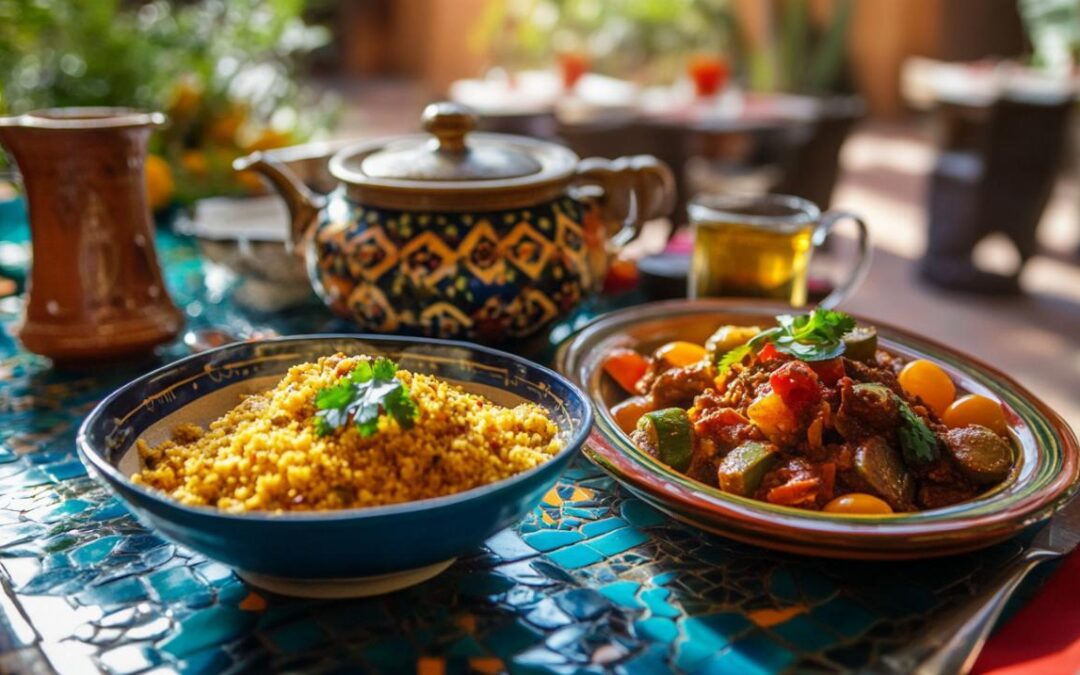
Nestled along the windswept Atlantic shoreline, Morocco's fishing villages offer a treasure trove of culinary experiences that go far beyond the well-trodden paths of the interior. These coastal settlements, where the rhythm of daily life follows the ebb and flow of the tides, have cultivated a gastronomic tradition deeply rooted in the bounty of the sea. From the bustling harbours of Essaouira to the quiet coves where fishermen mend their nets at dawn, the cuisine of these communities reflects centuries of interaction between land and ocean, blending Berber, Arab, and Mediterranean influences into something utterly distinctive. The aroma of grilled fish mingling with aromatic spices and the sight of women preparing freshly caught seafood in traditional clay pots create an atmosphere that captivates both the senses and the imagination.
The bounty of atlantic waters: fresh seafood specialities
Morocco holds the distinction of being the world's leading exporter of sardines, and nowhere is this maritime heritage more evident than in the fishing villages that dot the coastline. The Atlantic waters provide an abundance of sardines, sea bass, prawns, and squid that form the foundation of coastal cuisine. Unlike the meat-centric tagines found inland, the coastal variations showcase the delicate flavours of the day's catch, prepared with techniques passed down through generations. The proximity to the sea ensures that fish reaches the kitchen within hours of being hauled from the depths, guaranteeing a freshness that transforms even the simplest preparation into something extraordinary. Local cooks have perfected the art of balancing robust spicing with the subtle taste of seafood, creating dishes that honour both the ingredient and the culinary traditions that have shaped Moroccan cuisine over centuries.
Chermoula-marinated grilled sardines: a coastal classic
The sight of silvery sardines sizzling over charcoal braziers is quintessential to the Moroccan coastal experience. These humble fish, once considered the fare of fishermen and their families, have earned recognition as a cornerstone of North African cuisine. The secret lies in chermoula, a vibrant marinade that combines coriander, cumin, paprika, garlic, preserved lemon, and olive oil into a paste that penetrates the flesh and elevates the natural oils of the sardines. After marinating for several hours, the fish are threaded onto skewers and grilled until the skin crisps and chars slightly, releasing an irresistible smoky aroma. Served alongside crusty khobz bread and a simple tomato salad, this dish exemplifies the coastal philosophy of allowing quality ingredients to shine without unnecessary embellishment. The sardines are often enjoyed at outdoor markets and waterfront eateries where diners can watch fishing boats bobbing in the harbour whilst savouring each succulent bite.
Slow-Cooked Fish Tagine with Preserved Lemons and Olives
Whilst tagine is synonymous with Moroccan gastronomy, the coastal interpretation transforms this iconic dish into something altogether different from its landlocked counterparts. Instead of lamb or chicken, fishermen's wives prepare tagines using the finest specimens from the morning's catch, typically sea bass, bream, or grouper. The clay pot imparts a gentle, even heat that allows the fish to cook slowly in a fragrant sauce of tomatoes, preserved lemons, green olives, and a carefully calibrated blend of spices including saffron and ginger. Unlike meat tagines that require hours of simmering, fish versions demand a delicate touch, cooking just long enough for the flavours to meld without overcooking the tender flesh. The result is a dish of remarkable complexity, where the briny notes of olives complement the citrus brightness of preserved lemons, and the spices provide warmth without overwhelming the seafood. Served with couscous or fresh bread to soak up the aromatic sauce, this tagine represents the marriage of Morocco's inland traditions with the abundance of the Atlantic.
Harbour-side flavours: traditional preparation methods and local ingredients
The culinary traditions of Moroccan fishing villages are inseparable from the rhythms of coastal life and the ingredients that define the region. Every element, from the spices ground by hand to the vegetables cultivated in gardens sheltered from salt winds, contributes to a distinct flavour profile that sets coastal cuisine apart. The women who prepare these dishes often work in communal spaces, sharing techniques and recipes that have been refined over generations. Their knowledge encompasses not only cooking methods but also the seasonal patterns of fish migrations, the optimal times for harvesting particular shellfish, and the intricate balance of flavours that makes Moroccan cuisine so distinctive. This collective wisdom, combined with the exceptional quality of local ingredients, ensures that even the simplest meal becomes an expression of cultural heritage and culinary artistry.
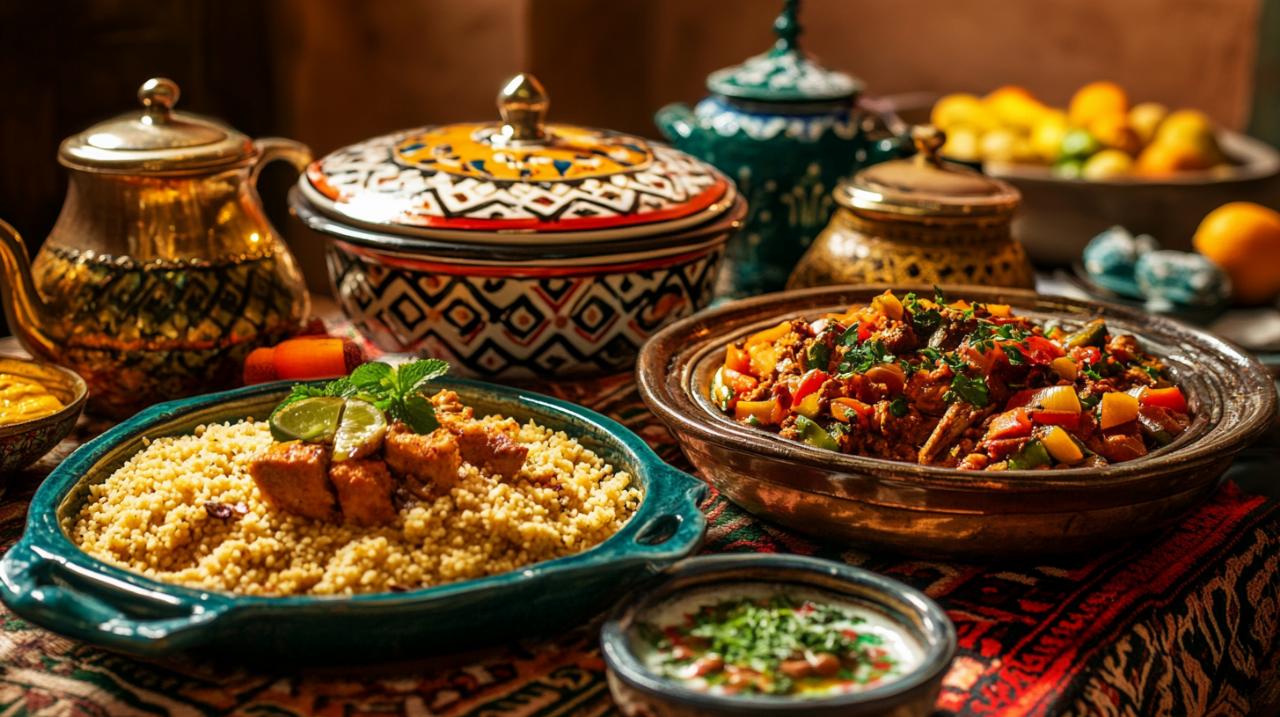
The Art of Spice Blending in Moroccan Fishing Communities
Whilst Morocco's reputation for complex spice blends is well established, coastal communities have developed their own distinctive approaches to seasoning that complement rather than overpower seafood. The spice merchants in fishing villages offer blends specifically formulated for fish and shellfish, typically favouring cumin, paprika, coriander, and saffron over the heavier spices used for meat dishes. Many families maintain closely guarded recipes for their chermoula and other marinades, adjusting proportions according to the specific fish being prepared. Fresh herbs, particularly coriander and flat-leaf parsley, feature prominently in coastal cooking, providing brightness and colour to finished dishes. The careful calibration of spices reflects a deep understanding of how flavours develop during cooking, ensuring that the final result achieves harmony between the natural taste of seafood and the aromatic complexity that defines Moroccan cuisine. This expertise is often shared informally, with experienced cooks teaching younger generations the subtle art of tasting, adjusting, and perfecting seasonings until they achieve the ideal balance.
From boat to plate: understanding morocco's daily catch traditions
The journey from ocean to table in Moroccan fishing villages follows patterns established long before modern refrigeration and global supply chains. Fishermen depart before dawn, returning mid-morning with their catch, which is immediately sorted and either sold at bustling harbourside markets or delivered directly to restaurants and homes. This direct connection between those who harvest the sea and those who prepare its bounty ensures exceptional freshness whilst supporting local economies. The daily catch determines what appears on menus, creating a dynamic culinary landscape where flexibility and seasonal awareness are paramount. Cooks develop an intuitive sense of which fish are at their peak during particular months, adjusting their preparations accordingly. Prawns might be simply grilled with garlic and lemon, squid stuffed with rice and herbs, or smaller fish transformed into crispy maakouda-style fritters. This approach embodies a philosophy of sustainability and respect for natural cycles that predates contemporary environmental consciousness, reflecting instead a practical wisdom born from centuries of coastal living.
Experiencing Authentic Moroccan Coastal Cuisine: Where and How to Savour It
Discovering the true flavours of Morocco's fishing villages requires venturing beyond conventional tourist circuits to embrace the authentic environments where these dishes have evolved. The experience encompasses not merely eating but engaging with the culture, observing preparation techniques, and understanding the social contexts in which food is shared. Whether sampling street snacks from a vendor near the docks or sitting down to a leisurely meal at a family-run establishment, visitors gain insights into a way of life shaped by the sea. The warmth of Moroccan hospitality ensures that even those unfamiliar with local customs feel welcome, whilst the universal language of good food transcends any linguistic barriers. For those seeking deeper engagement, cooking classes and food tours led by knowledgeable guides provide opportunities to learn techniques firsthand and appreciate the stories behind each dish.
Bustling fish markets and waterfront eateries worth visiting
The fish markets of Morocco's coastal towns offer sensory experiences as memorable as the meals themselves. In Essaouira, the daily market near the harbour transforms into an open-air restaurant where vendors grill your selection whilst you watch, serving it at communal tables with bread and salads. Casablanca's central market showcases the astonishing variety of Atlantic seafood, from massive swordfish to delicate sole, all displayed on beds of ice whilst sellers call out their wares. These markets serve both as commercial hubs and social gathering places where locals exchange news and recipes alongside their transactions. Waterfront eateries, many occupying buildings that have served generations of fishermen, offer menus that change with the tides and seasons. Simple grills serve sardines and prawns alongside mint tea, whilst more established restaurants prepare elaborate fish pastilla and seafood couscous that rival anything found in Marrakech or Fes. The best establishments source directly from the morning's catch, ensuring quality whilst maintaining the rustic charm that characterises coastal dining.
Pairing your meal: moroccan mint tea and other traditional accompaniments
No Moroccan meal is complete without the ritual of mint tea, that sweet, fragrant infusion that serves as both beverage and symbol of hospitality. In coastal settings, the tea ceremony provides a moment of pause between courses, allowing diners to savour the progression of flavours whilst engaging in conversation. The tea itself, prepared by steeping green tea with fresh spearmint and copious amounts of sugar, offers a refreshing counterpoint to spiced seafood dishes. Beyond tea, coastal meals are accompanied by crusty bread, essential for soaking up aromatic sauces, and often by raïb, a fermented yoghurt drink that provides cooling relief from spices whilst aiding digestion. Simple salads of tomatoes, cucumbers, and onions dressed with olive oil and lemon offer textural contrast to rich tagines, whilst preserved lemons and olives appear as condiments on nearly every table. For those with a sweet tooth, meals conclude with almond pastries or chebakia, honey-soaked pastries flavoured with sesame and anise that provide a satisfying finish. These accompaniments, whilst seemingly simple, reflect the same attention to quality and tradition that characterises the main dishes, creating a complete culinary experience that honours Morocco's gastronomic heritage.