
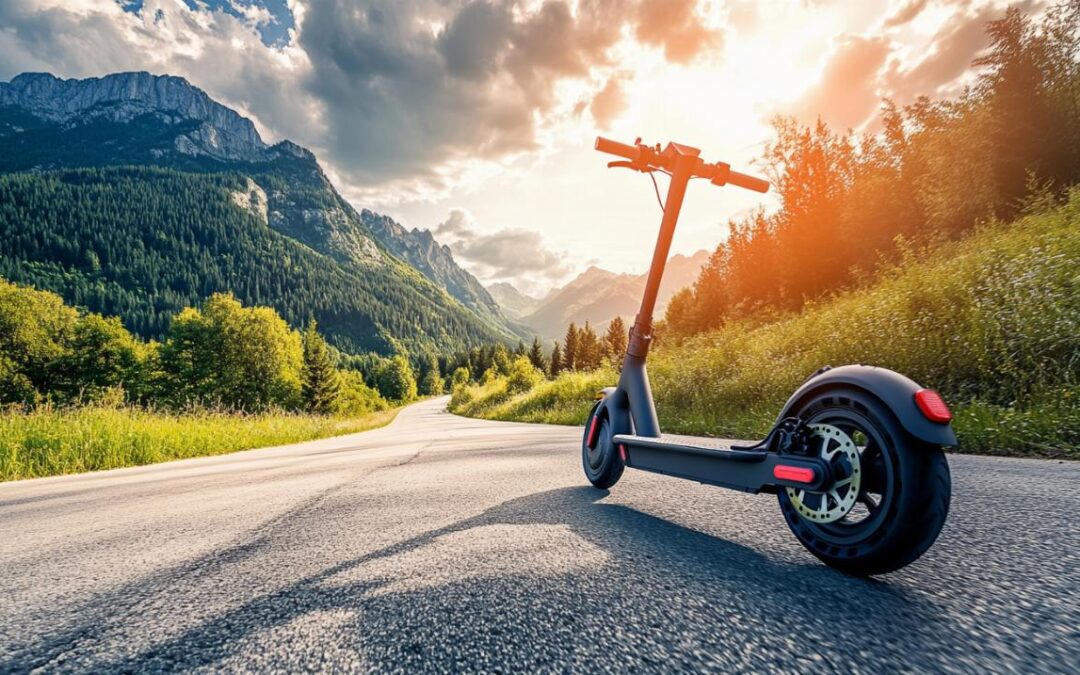
The rise of electric scooters has transformed the way many individuals navigate urban environments, offering a blend of convenience and environmental consciousness that appeals to commuters and leisure riders alike. As these compact vehicles become increasingly popular, prospective buyers find themselves faced with a multitude of choices, each promising unique advantages. However, selecting the right electric scooter requires careful deliberation and an understanding of several critical aspects that will influence both your daily experience and long-term satisfaction. This guide explores the essential elements you need to evaluate to ensure your investment aligns with your lifestyle and practical needs.
Understanding range and battery performance
How far can your electric scooter actually travel?
One of the foremost considerations when purchasing an electric scooter is the mileage range it offers on a single charge. This factor directly impacts how far you can travel before needing to recharge, making it particularly significant for those who plan to use their scooter for daily commuting or extended journeys. Models vary considerably in their capabilities, with some providing a modest range suitable for short trips around town, while others can cover greater distances without interruption. Understanding your typical travel requirements will help you identify what to look for before buying, ensuring the scooter you choose does not leave you stranded midway through your journey.
The advertised range figures provided by manufacturers often reflect ideal conditions, such as riding on flat terrain with minimal stops and a lighter rider. Real-world performance can differ, influenced by factors including rider weight, road surface quality, weather conditions, and riding style. Therefore, it is prudent to factor in a margin of safety when assessing whether a scooter's stated range meets your needs. For instance, if your daily commute is ten kilometres, opting for a model with a range of at least fifteen to twenty kilometres ensures you have sufficient buffer for unexpected detours or varying conditions.
Battery life expectations and charging cycles
Beyond the immediate range, the longevity of the battery itself warrants close attention. Electric scooter batteries typically endure a finite number of charging cycles before their capacity begins to diminish. A charging cycle is generally defined as a full discharge and recharge, though partial charges also contribute to the overall wear. High-quality batteries can sustain several hundred cycles while retaining a substantial portion of their original capacity, whereas lower-grade alternatives may degrade more rapidly, leading to reduced range and performance over time.
Charging time is another practical consideration. Some scooters can achieve a full charge within a few hours, making them convenient for overnight charging or during a workday. Others may require longer periods, which could prove inconvenient if you need to use your scooter multiple times throughout the day. Additionally, assessing whether the battery is removable can be advantageous, as it allows you to charge it indoors without needing to bring the entire scooter inside, particularly useful for those living in flats or offices without direct outdoor access.
Weight, portability and practical transport
Finding the Right Balance Between Sturdiness and Manoeuvrability
The weight of an electric scooter plays a pivotal role in its overall usability, especially for commuters who need to carry it on public transport, up staircases, or into storage areas. Lightweight models, often constructed from materials such as aluminium alloys, offer enhanced portability and are easier to manoeuvre in crowded spaces. However, a lighter frame may sometimes compromise durability or stability, particularly on uneven terrain or at higher speeds. Conversely, heavier scooters tend to provide a more robust build and can better withstand regular use and challenging conditions, yet they pose challenges for those who need to lift or carry them frequently.
Evaluating your specific circumstances is crucial. If your daily routine involves navigating multiple flights of stairs or transferring between buses and trains, prioritising a lightweight design is sensible. On the other hand, if your scooter will primarily remain outdoors or be stored in easily accessible locations, a sturdier, heavier model might offer better long-term value without the inconvenience of frequent lifting.
Folding mechanisms and storage solutions
Portability extends beyond weight alone. The ease with which a scooter folds and its compactness when collapsed are equally important. Many modern electric scooters feature folding mechanisms that allow them to be collapsed in seconds, making them convenient for storage in small apartments, car boots, or under office desks. The design and reliability of these mechanisms vary widely, with some employing simple latches while others use more complex systems that may require occasional maintenance.
Before committing to a purchase, it is advisable to test the folding process yourself to ensure it is intuitive and does not demand excessive force or technical know-how. A well-designed folding mechanism should be both quick and secure, preventing accidental collapses during use while still allowing for effortless storage. Additionally, consider the dimensions of the folded scooter to confirm it fits comfortably within your intended storage space.
Speed, power and performance capabilities
Motor strength and acceleration requirements
The motor is the heart of any electric scooter, dictating its acceleration, climbing ability, and overall responsiveness. Motor power is typically measured in watts, with higher wattage generally translating to greater performance. For urban commuting on relatively flat terrain, a motor in the range of 250 to 500 watts often suffices, providing adequate speed and acceleration for navigating city streets. However, if your route includes inclines or uneven terrain, a more powerful motor may be necessary to maintain consistent performance without straining the battery.
Climbing ability is a particularly important aspect for those living in hilly areas. A scooter with insufficient motor power may struggle on steep gradients, reducing speed significantly or even requiring you to dismount and walk. Assessing the gradient of your typical routes and matching it with the scooter's specified climbing capability ensures you can tackle inclines with confidence and efficiency.
Top speed limitations and real-world performance
While top speed is often highlighted in marketing materials, it is essential to consider how this aligns with your intended use and local regulations. Many electric scooters can reach speeds between 20 and 30 kilometres per hour, which is generally sufficient for urban commuting. However, higher speeds come with increased safety risks and may not always be practical in crowded or pedestrian-heavy areas.
Real-world performance can differ from advertised specifications due to factors such as rider weight, battery charge level, and environmental conditions. Wind resistance, road surface, and even temperature can all influence how fast a scooter travels under typical conditions. Therefore, while top speed is a useful benchmark, it should be weighed alongside other performance metrics to gain a holistic understanding of what to expect during everyday use.
Safety features you cannot afford to overlook
Braking systems and emergency stopping power
Effective braking is paramount for safe riding, particularly in urban environments where sudden stops may be necessary to avoid pedestrians, vehicles, or obstacles. Electric scooters employ various braking systems, each with distinct characteristics. Electric brakes, which use the motor to slow the scooter, are often easier to engage and require minimal maintenance. However, they may not provide the same stopping power as mechanical alternatives, especially at higher speeds or on wet surfaces.
Drum brakes and disc brakes offer superior performance, delivering more reliable and consistent stopping power. These mechanical systems do require periodic maintenance and occasional replacement of brake pads or other components, but the enhanced safety they provide is generally worth the additional upkeep. Some models also feature foot brakes, which involve pressing a rear fender to create friction against the tyre. While this method can offer good stopping power, it demands a certain level of technique and can wear down more quickly depending on usage patterns.
Lighting, reflectors and visibility enhancements
Visibility is a critical safety consideration, particularly for those who ride during dawn, dusk, or night-time hours. Quality electric scooters are equipped with front and rear lights, ensuring you can see the path ahead and be seen by others. Reflectors, strategically placed on the sides and rear, further enhance visibility, making it easier for motorists and pedestrians to notice your presence.
Beyond factory-installed features, consider whether the scooter allows for the addition of supplementary lighting or reflective accessories. High-visibility clothing and helmets with integrated lights can also complement the scooter's built-in safety features, creating multiple layers of protection that collectively reduce the risk of accidents.
Cost considerations and budget planning
Initial purchase price versus long-term value
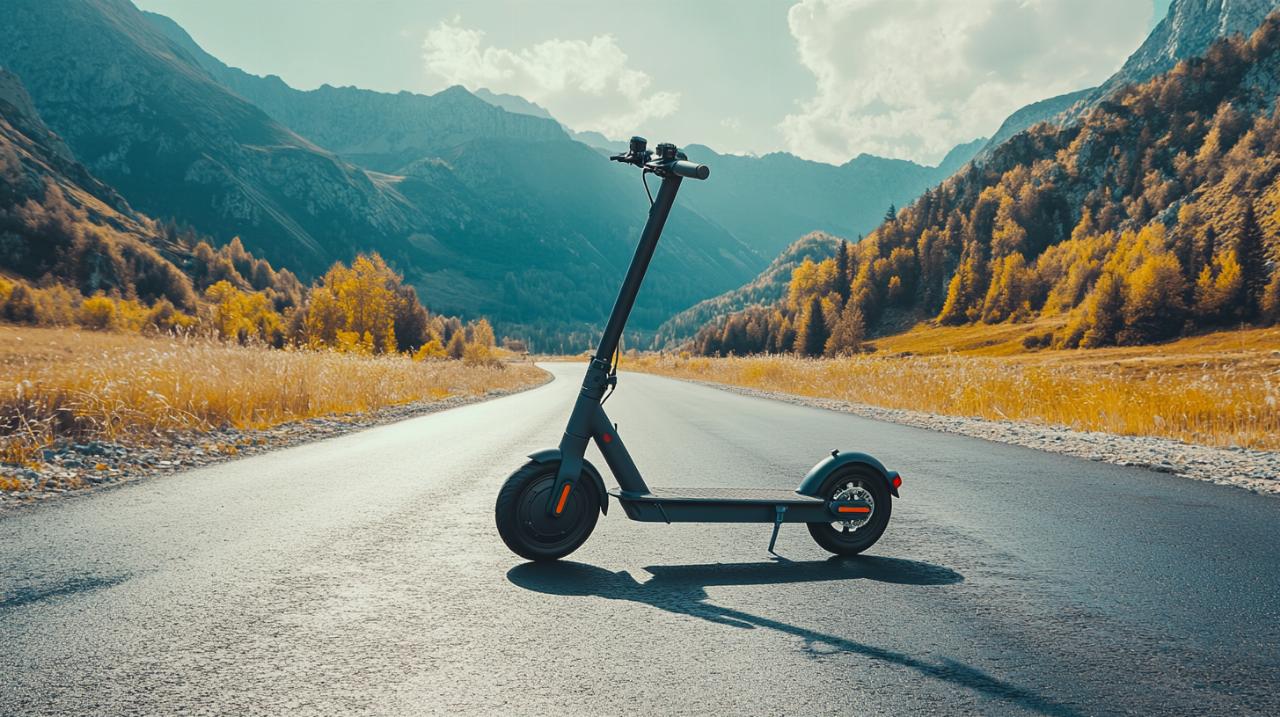
The price of electric scooters spans a broad spectrum, with budget-friendly options available for those seeking an affordable entry point and luxury models offering advanced features and superior build quality. While it may be tempting to opt for the least expensive option, it is important to balance initial cost against long-term value. Cheaper scooters may use lower-grade materials or less efficient batteries, leading to higher maintenance costs, reduced lifespan, and potentially compromised safety.
Investing in a mid-range or higher-end model can often prove more economical over time, as these scooters typically offer better durability, longer battery life, and more robust warranties. Additionally, higher-quality construction can translate to a more comfortable and reliable riding experience, reducing the likelihood of unexpected repairs or the need for premature replacement.
Running costs and maintenance expenses
Beyond the purchase price, ongoing costs such as electricity for charging, tyre replacements, and brake servicing should factor into your budget planning. Electric scooters are generally low maintenance compared to petrol-powered vehicles, but they are not entirely cost-free. Pneumatic tyres, which provide a smoother ride, are more susceptible to punctures and may need occasional repairs or replacements. Rubber tyres, while more durable, can wear down over time and may require attention depending on usage frequency and terrain.
Regular maintenance, such as checking brake responsiveness, ensuring all bolts and fittings are secure, and keeping the scooter clean, can help prevent more costly issues down the line. Some manufacturers offer service packages or extended warranties that cover certain maintenance tasks, which can be a valuable addition if you prefer a more hands-off approach.
Build quality and longevity
Materials and construction standards
The materials used in constructing an electric scooter significantly influence its durability and overall performance. Aluminium alloys are commonly favoured for their balance of strength and lightness, making them ideal for frames that need to withstand daily wear while remaining portable. Steel components, though heavier, can provide additional robustness, particularly in critical areas such as the stem and deck.
Attention to construction standards, including the quality of welds, joints, and fasteners, is equally important. Poorly assembled scooters may develop rattles, loose parts, or structural weaknesses that compromise safety and comfort. Reputable manufacturers typically adhere to stringent quality control processes, ensuring each unit meets established standards before reaching the consumer. Reading reviews and seeking recommendations from existing owners can provide valuable insights into the build quality of specific models.
Weather resistance and ip ratings
While electric scooters offer remarkable convenience, many are not fully waterproof, which can pose challenges in the unpredictable British climate. Understanding the scooter's ingress protection rating, commonly referred to as its IP rating, helps gauge its resistance to dust and moisture. An IP rating consists of two digits, the first indicating protection against solid particles and the second against liquids. A higher rating suggests better protection, though it is important to note that even scooters with respectable ratings may not be entirely suitable for heavy rain or submersion.
For those planning to ride in various weather conditions, selecting a model with adequate weather resistance can prevent damage to electrical components and extend the scooter's lifespan. Additionally, taking precautions such as covering the scooter during storage and avoiding deep puddles can further safeguard your investment.
Warranty coverage and after-sales support
What your warranty should include
A comprehensive warranty is an indicator of a manufacturer's confidence in their product and provides peace of mind for the buyer. When evaluating warranty coverage, pay close attention to what is included and for how long. Ideally, the warranty should cover major components such as the motor, battery, and frame for a reasonable period, typically ranging from six months to two years. Some manufacturers also offer separate coverage for wear-and-tear items like tyres and brake pads, though these are often excluded from standard warranties due to their consumable nature.
Understanding the terms and conditions is essential, as warranties may have specific requirements or exclusions that could affect your claim. For instance, damage resulting from misuse, unauthorised modifications, or failure to follow maintenance guidelines may void the warranty. Clarifying these details before purchase ensures you are fully informed and can take appropriate measures to maintain coverage.
Customer service and spare parts availability
Reliable customer service and the availability of spare parts are critical factors that can significantly impact your ownership experience. Even the most well-built scooters may require replacement parts or technical support at some point, and having access to responsive and knowledgeable customer service can make resolving issues far less stressful. Before committing to a purchase, research the manufacturer's reputation for customer support, including response times, helpfulness, and the ease of obtaining spare parts.
Availability of spare parts is particularly important for components that may need periodic replacement, such as tyres, brake pads, and batteries. Models from established brands with a strong presence in the UK market are more likely to have readily accessible parts and service centres, reducing downtime and the inconvenience of waiting for international shipments.
Legal Requirements and Local Regulations in the UK
Understanding current e-scooter laws
Navigating the legal landscape surrounding electric scooters in the UK is essential for any prospective buyer. Currently, privately owned electric scooters are not road-legal in the UK, meaning they cannot be used on public roads, cycle lanes, or footpaths. This restriction is in place due to concerns about safety, insurance, and the classification of electric scooters under existing vehicle regulations. However, government-backed rental schemes operate in various cities as part of pilot programmes, allowing participants to legally use scooters within designated areas under specific conditions.
The legal status of electric scooters is subject to ongoing review and may evolve as the government assesses the outcomes of these trials and considers broader regulatory frameworks. Staying informed about current legislation and potential changes is crucial to ensure you remain compliant and avoid fines or other penalties.
Where you can legally ride your electric scooter
Given the current restrictions, privately owned electric scooters can only be used on private land with the landowner's permission. This limits their practical utility for many potential buyers who are primarily interested in using them for commuting or leisure rides in public spaces. Understanding these limitations before purchasing is vital to avoid disappointment and ensure the scooter serves its intended purpose.
For those eager to experience the benefits of electric scooters within the bounds of the law, participating in a rental scheme where available may be a more suitable option. These schemes provide legal access to scooters while contributing to the data and feedback that may shape future legislation. Alternatively, keeping abreast of legal developments and advocating for clearer, more accommodating regulations can help pave the way for broader acceptance and use of electric scooters across the UK.