
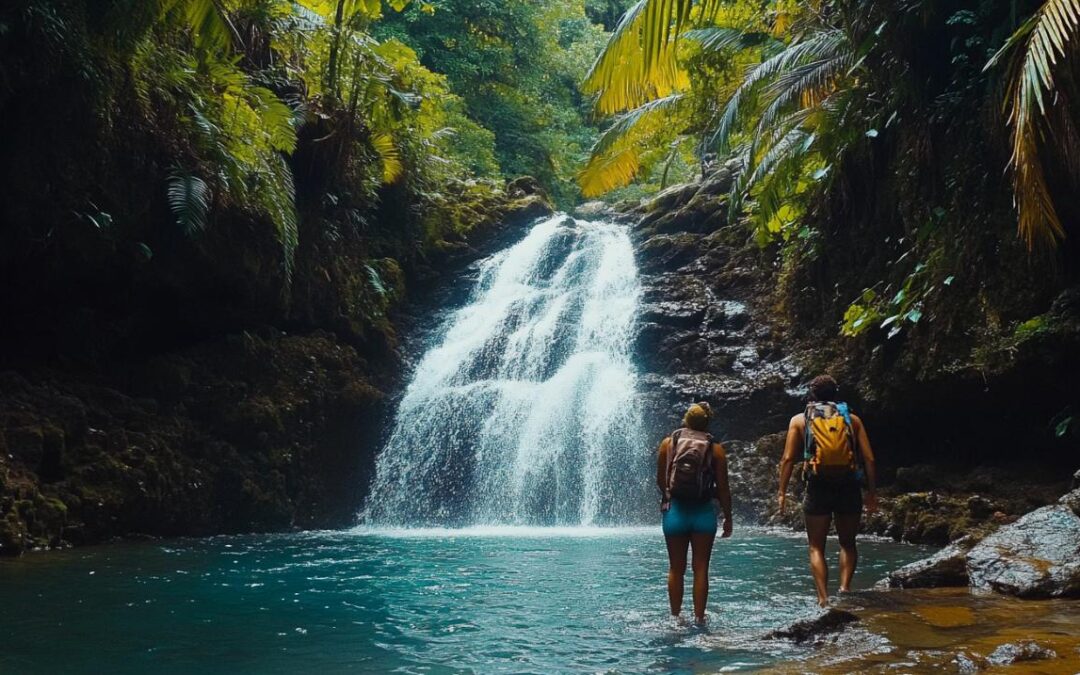
Martinique is a destination that blends the allure of the Caribbean with the sophistication of European culture. This French island in the Caribbean Sea offers backpackers a unique opportunity to experience tropical landscapes, volcanic hikes, and vibrant local customs whilst enjoying the familiarity of European infrastructure and the convenience of the Euro. Whether you are a solo traveller or planning a trip with mates, the island promises both adventure and safety in equal measure. With its mix of stunning beaches, dense forests, and cultural landmarks, Martinique serves as an ideal base for exploring the wider region, including nearby islands such as St. Lucia, Dominica, and Guadeloupe.
Planning your martinique backpacking adventure: budget and logistics
Best Time to Visit and Seasonal Considerations
Timing your visit to Martinique can significantly enhance your experience. The dry season, which stretches from December to April, is widely regarded as the best period to explore the island. During these months, the weather remains warm and sunny, making it perfect for hiking, diving, and lounging on the beach. However, this is also peak tourist season, so expect slightly higher prices for accommodation and activities. If you prefer fewer crowds and are willing to take a chance on the weather, the shoulder months at the start and end of the dry season can offer excellent value. On the other hand, the hurricane season runs from June to November, and whilst not every year sees a major storm, it is wise to monitor weather updates closely if you plan to visit during this window. The island is well-prepared for such events, but transport disruptions and safety concerns can arise, particularly during the height of the season.
Budgeting smartly: accommodation and transport options
Martinique offers surprisingly good value for money, especially compared to mainland France. Accommodation options cater to a range of budgets, from hostels charging around twenty to forty euros per night to simple studios and rooms that cost between fifty and one hundred euros. For those seeking a bit more comfort, mid-range hotels start at approximately one hundred and twenty euros. Eating out is equally affordable, with beachside meals available for ten to fifteen euros and restaurant dinners, including drinks, costing around twenty-five to thirty euros per person. When it comes to getting around, hiring a car is virtually essential if you want to explore the island thoroughly. Roads are generally in good condition, and traffic drives on the right, as it does in mainland Europe. Rental prices can be quite reasonable, with some providers offering competitive rates such as four days of hire with full insurance for one hundred and seventy-five euros or two days for just forty-two euros. EU roaming tariffs apply here, so there is no need to purchase a local SIM card, which simplifies connectivity and budgeting.
Health and Safety Essentials for Caribbean Backpackers
Vaccinations, travel insurance, and medical preparations
Before setting off, it is crucial to ensure that your health preparations are in order. Whilst Martinique does not typically require specific vaccinations beyond those recommended for general travel, it is sensible to confirm that your routine jabs are up to date. Travel insurance is non-negotiable, particularly if you plan to engage in activities such as scuba diving or hiking in remote areas. Some diving schools on the island may have limited resources, so it is important to verify the credentials of operators and check that your insurance policy covers any potential accidents or medical emergencies. The hot and humid climate can also pose challenges, especially for those unaccustomed to tropical conditions. Staying hydrated, using sun protection, and pacing yourself during outdoor activities will help you make the most of your time without risking heat exhaustion or dehydration. Carrying a basic first aid kit with essentials such as plasters, antiseptic wipes, and insect repellent is always a good idea.
Staying safe: local customs and risk awareness
Crime levels in Martinique are low, which contributes to its reputation as a safe destination even for solo travellers. However, common-sense precautions should still be observed. Avoid isolated areas after dark, do not carry large amounts of cash or expensive jewellery, and make use of hotel safes to secure your valuables. The island has been the site of ongoing protests since late September, with restrictions on fuel sales leading to occasional transport disruptions. It is advisable to follow local authority guidance and stay informed about any developments that might affect your plans. Whilst there is no recent history of terrorism in Martinique, the global threat level means that attacks cannot be entirely ruled out, so maintaining general vigilance is wise. When it comes to outdoor activities, swimming safety should be a priority. Always check local water conditions before heading into the sea, and if you are planning to dive, ensure that the operator you choose has the necessary credentials and that your insurance covers diving incidents. For those hiring a car, familiarising yourself with French driving laws is essential. You may need an international driving permit in addition to your UK driving licence, and consulting guidance from organisations such as the RAC can help clarify any requirements. In the event of an emergency, the local number to dial is one one two.
Hidden gems and must-see spots across martinique
Off-the-beaten-path beaches and natural wonders
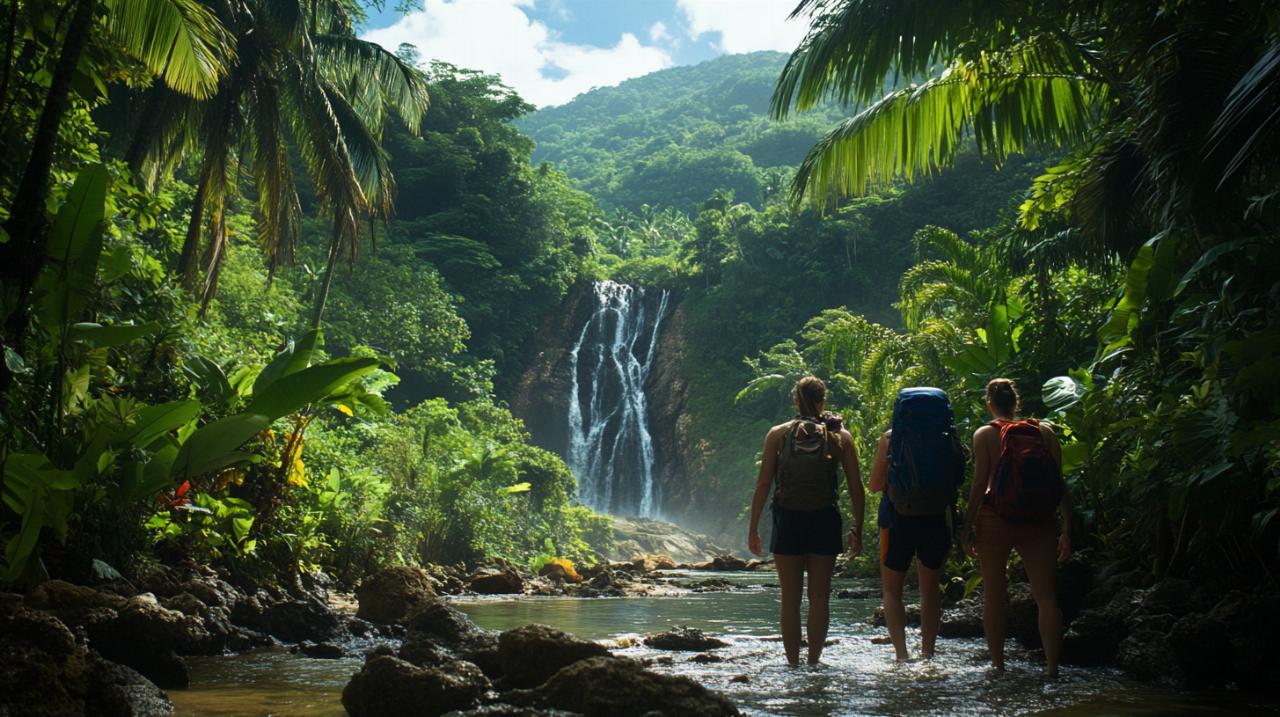
Martinique is renowned for its diverse landscapes, which range from volcanic peaks to coastal trails and secluded beaches. Mount Pelee, an active volcano that stands at one thousand three hundred and ninety-seven metres, is a highlight for adventurous hikers. The volcano is monitored for activity, but it remains a popular destination for those seeking panoramic views and a sense of accomplishment. Other notable peaks include Piton Lacroix, Piton de l'Alma, and Morne Larcher, each offering unique trails and vistas. For a different kind of adventure, the Savane des Petrifications presents a desert-like environment that contrasts sharply with the island's lush forests. The Trace des Caps is a twenty-seven-kilometre coastal trail that showcases dramatic cliffs and hidden coves, whilst Le Tombolo offers the unusual experience of walking through the sea at low tide. The Presqu'ile de la Caravelle, a scenic peninsula, is perfect for those who enjoy exploring by foot, and the Boucle du Vauclin provides a six-and-a-half-kilometre loop through varied terrain. Waterfalls are another major draw, with trails leading to cascades such as the Cascade de la Riviere Couleuvre. These spots are often less crowded than the beaches, offering a tranquil escape into nature.
Local culture, cuisine, and authentic experiences
Fort-de-France, the capital, is the cultural heart of Martinique and a must-visit for anyone interested in history and local customs. The Memorial de l'Anse Caffard stands as a poignant tribute to the island's past, whilst the Schoelcher Library and Louis Cathedral showcase French colonial architecture. Habitation Clement, a former plantation turned museum and distillery, offers insight into the island's agricultural heritage and the production of rum, a spirit deeply intertwined with Martinique's identity. La Savane des Esclaves provides a sobering look at the history of slavery on the island, whilst the Banana Museum celebrates one of the island's key crops. For those who appreciate botanical beauty, Jardin de Balata is a stunning garden filled with tropical plants and flowers. French is almost essential for meaningful interaction, as English is not widely spoken outside major tourist areas. Embracing the local language, even with just a few basic phrases, can greatly enhance your experience and open doors to more authentic encounters. Cuisine is another vital part of the Martinique experience. The island's food reflects its mixed heritage, blending French techniques with Caribbean ingredients. Fresh seafood, spicy stews, and tropical fruits feature prominently on menus. Sampling dishes at local markets or small eateries rather than sticking solely to tourist restaurants will give you a truer taste of the island. A week is generally sufficient to cover the highlights, but allowing extra time for activities such as diving, additional hikes, or simply relaxing on less-visited beaches will enrich your stay. Martinique also serves as an excellent starting point for island-hopping, with ferries connecting to St. Lucia, Dominica, and Guadeloupe. Air France operates flights from Paris to Fort-de-France in under eight hours, making it relatively easy to reach from Europe. As part of the EU, Martinique benefits from policies that simplify travel for European citizens, including visa-free entry for EU passport holders. The use of the Euro and European electrical sockets further streamlines the practicalities of visiting. In summary, Martinique offers backpackers a rare combination of adventure, culture, and convenience, all set against a backdrop of natural beauty that is hard to rival in the Caribbean.