
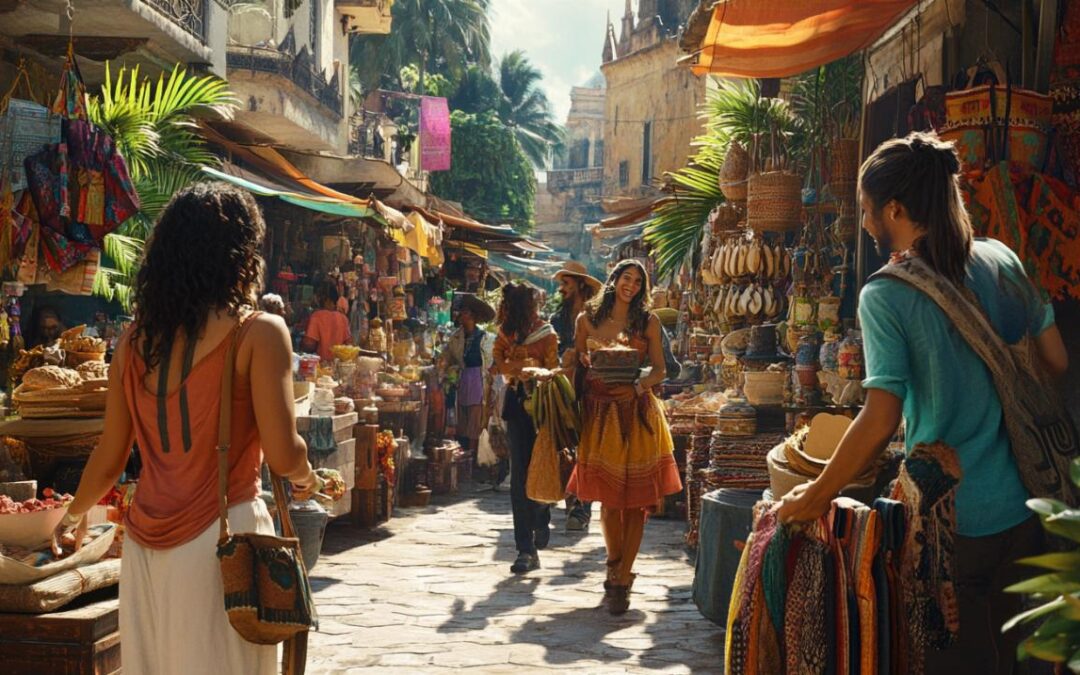
Venturing beyond familiar borders offers a remarkable opportunity to discover perspectives, traditions, and ways of life that challenge and enrich our understanding of humanity. Whether you're a young adult yearning to step away from routine or someone seeking a transformative experience later in life, embracing cultural adventures opens doors to personal growth and authentic connections. This guide will walk you through the essential steps to immerse yourself fully in the vibrant tapestry of global cultures, ensuring your journey is as meaningful as it is memorable.
Preparing for your cultural journey
Before setting foot in a new country, thorough preparation forms the cornerstone of a successful cultural adventure. The excitement of planning often begins with selecting a destination that resonates with your interests, whether it's the bustling markets of India, the lush rainforests of Costa Rica, or the ancient temples of Cambodia. Once you've chosen where to explore the world, investing time in understanding the customs, traditions, and social norms of your destination becomes crucial. This research not only demonstrates respect for the local community but also equips you with the knowledge to navigate unfamiliar situations with confidence and grace.
Researching your destination's customs and traditions
Delving into the cultural fabric of your chosen destination transforms a simple holiday into a profound learning experience. Start by reading about the history and religious practices that shape daily life, as these elements often influence everything from greetings to dress codes. For instance, understanding the significance of festivals such as the Gion Matsuri in Kyoto or Guy Fawkes Night in Canterbury can help you appreciate the celebrations you might witness. Engaging with local news sources, even in translation, provides insight into current events and societal concerns, allowing you to engage in more meaningful conversations with residents. Additionally, exploring the culinary traditions through cookbooks or online resources helps you understand the role food plays in social gatherings and family life. Music offers another window into a culture's soul, so creating playlists featuring traditional and contemporary artists from your destination can familiarise you with the rhythms and melodies that soundtrack everyday life. This groundwork ensures you arrive not as a passive observer but as an informed participant ready to embrace the richness of cultural immersion.
Essential packing tips for culturally immersive travel
Packing for a culturally immersive trip requires a balance between practicality and cultural sensitivity. Beyond the usual travel essentials, consider clothing that respects local customs, particularly if you're visiting conservative regions where modest attire is expected. Lightweight, breathable fabrics work well in tropical climates like those in Peru or Kenya, whilst layering options suit the variable weather in destinations such as Colombia. A small notebook and pen prove invaluable for jotting down new vocabulary, recording memorable experiences, or sketching scenes that capture your imagination. Including a quality camera or ensuring your phone has ample storage allows you to document the vibrant colours, intricate architecture, and candid moments that define your journey. Don't forget to pack a reusable water bottle and basic first aid supplies, as access to familiar products may be limited in remote areas. Equally important is carrying copies of essential documents, including your passport, travel insurance, and any programme details if you're participating in organised cultural immersion activities. Organisations like The Leap, which has been facilitating gap year programmes since two thousand and two, often provide comprehensive packing lists tailored to specific destinations and activities, ensuring you arrive well-prepared for the adventure ahead.
Making meaningful connections whilst travelling
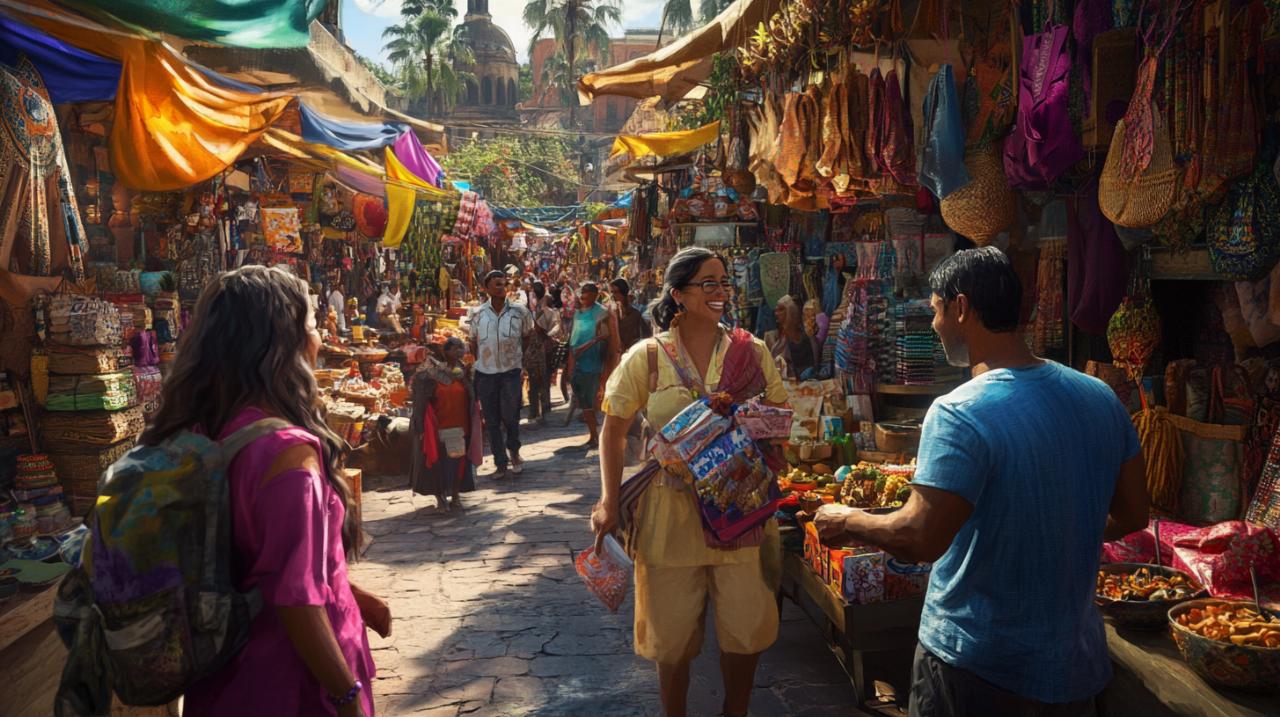
The heart of any cultural adventure lies in the relationships you forge with local communities. Moving beyond tourist hotspots and engaging with residents in their everyday environments creates opportunities for authentic experiences that no guidebook can replicate. Whether you're a solo traveller stepping outside your comfort zone or part of a small group, the connections you make will profoundly shape your understanding of the culture. These interactions often begin with simple gestures of goodwill and a genuine curiosity about others' lives, transforming strangers into friends and acquaintances into lifelong correspondents. The memories of shared meals, collaborative projects, and spontaneous conversations frequently become the most treasured souvenirs of any journey.
Learning Basic Phrases in the Local Language
Whilst fluency in the local language isn't necessary for meaningful travel experiences, mastering basic phrases demonstrates respect and opens doors that remain closed to those who rely solely on English. Simple greetings, expressions of gratitude, and polite questions about directions or recommendations show locals that you've made an effort to bridge the communication gap. In countries like India or Cambodia, where English proficiency varies widely, even a few words in Hindi, Khmer, or regional dialects can elicit warm smiles and helpful responses. Language learning needn't be daunting; dedicating just a few minutes each day to practising pronunciation and memorising key phrases yields noticeable results. Mobile applications and phrasebooks serve as convenient resources, though nothing compares to the trial and error of real-world conversations. Don't be discouraged by mistakes, as locals typically appreciate the attempt and often respond with patience and encouragement. Participating in language exchange meetups or conversation groups, where available, provides low-pressure opportunities to practise whilst simultaneously learning about local perspectives. The linguistic effort not only facilitates practical communication but also signals your commitment to cultural understanding, often resulting in invitations to participate in traditional customs or family gatherings that would otherwise remain inaccessible to outsiders.
Participating in Traditional Activities and Local Cuisine
Truly embracing a new culture requires active participation in the everyday activities and culinary traditions that define local life. Rather than observing from a distance, immerse yourself in the rhythms of the community by engaging in seemingly mundane tasks like shopping at neighbourhood markets, attending religious services, or joining residents for sporting events such as Australian Rules Football in Melbourne. These experiences provide invaluable context for understanding how people structure their days and what they value most. Festival attendance offers particularly rich opportunities for cultural engagement, as these celebrations often encapsulate centuries of tradition, belief, and artistic expression. Homestay accommodation represents one of the most effective ways to experience authentic daily life, as living with a local family allows you to witness their routines, participate in household activities, and share meals prepared with regional ingredients and time-honoured techniques. Platforms like homestay.com and homestayinternational.com connect travellers with welcoming hosts who are eager to share their culture. When it comes to local cuisine, venture beyond familiar dishes and embrace the opportunity to taste regional specialities, even those that initially seem unusual or challenging. Street food stalls, family-run restaurants, and community gatherings often serve the most authentic and flavourful meals, whilst also providing opportunities to interact with vendors and fellow diners. Asking questions about ingredients, preparation methods, and the cultural significance of certain dishes demonstrates genuine interest and often leads to deeper conversations about family histories, seasonal traditions, and regional pride. Many cultural immersion programmes, including those offered by The Leap across destinations like Costa Rica, Peru, and Colombia, incorporate these participatory elements into their itineraries, recognising that personal growth and cultural understanding flourish when travellers engage directly with local communities through everyday activities and shared experiences.