
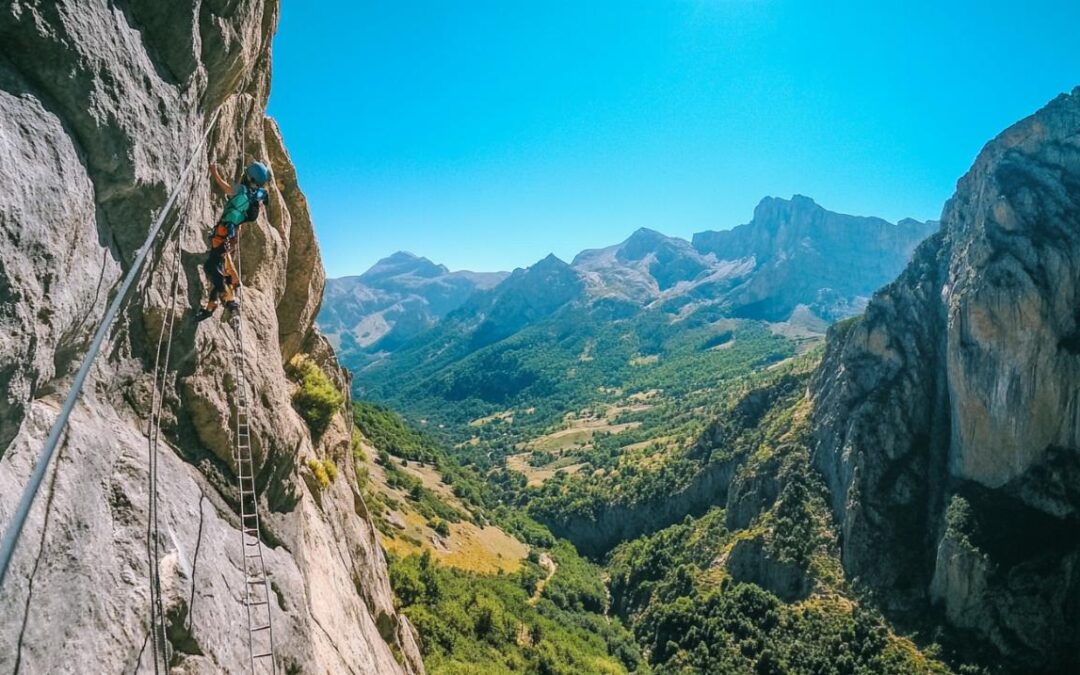
The Pyrenees offer an unrivalled playground for those who crave vertical challenges and breathtaking panoramas. After conquering some of the most demanding via ferratas in this majestic mountain range, the reward is not only the summit view but also the chance to unwind in comfortable lodgings and savour the hearty cuisine that defines this corner of Europe. Whether you've spent the day navigating dizzying heights or tackling monkey bridges over deep gorges, the evening brings its own delights: a warm bed, a crackling fire, and a plate of local fare that tastes all the better after a day of adventure.
Conquering the Pyrenees' Most Challenging Via Ferratas: Routes and Essential Preparation
Technical Routes for Seasoned Climbers: From Gourette's Vertical Faces to Luz's Demanding Passages
The Pyrenees are home to a collection of via ferratas that push even experienced climbers to their limits. Among the most celebrated routes are those found in Gourette, Luz, and Saint Paul, each offering a unique blend of technical challenges and awe-inspiring scenery. Gourette's vertical faces demand precise footwork and a steady nerve as you ascend sheer rock walls, often with the wind tugging at your harness and the valley floor receding far below. The route here is not for the faint-hearted, with sections that require climbers to pull themselves up using iron rungs and traverse exposed ridges where every step counts.
Luz, on the other hand, presents a different kind of test. The passages here are longer and more sustained, requiring stamina as well as skill. The via ferrata winds through gorges where the rock seems to close in around you, and the sound of rushing water from the streams below adds a dramatic soundtrack to your ascent. Saint Paul's routes combine the best of both worlds, offering vertical sections that challenge your upper body strength and horizontal traverses that test your balance and composure. Each of these locations has earned its reputation among climbing enthusiasts who seek out routes that deliver both thrills and a sense of genuine accomplishment.
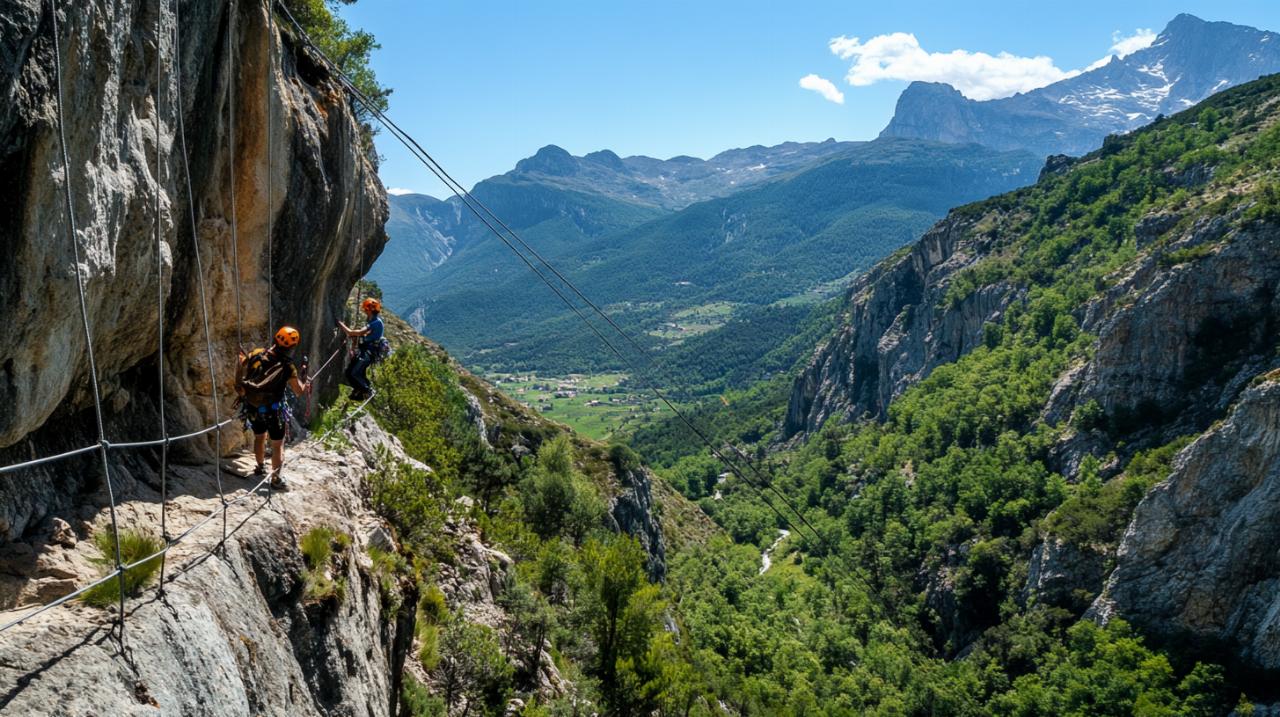
What sets these via ferratas apart from easier routes is the level of exposure and the technical sections that demand more than just a good head for heights. Climbers will encounter overhangs, narrow ledges, and sections where the next handhold or foothold is not immediately obvious. The views, however, are spectacular, with panoramic vistas stretching across valleys, peaks, and forests that seem to go on forever. For those who have honed their skills on simpler routes, these Pyrenean challenges represent the next step in their adventure journey.
Safety kit and physical readiness: what you need before tackling these dizzying heights
Preparation is paramount when taking on the toughest via ferratas in the Pyrenees. The equipment needed goes beyond the basic harness and helmet. A proper via ferrata set includes a shock-absorbing lanyard with two carabiners designed to clip onto the fixed cable, allowing you to remain secured at all times as you move along the route. Gloves are essential to protect your hands from the rough metal rungs and cable, and sturdy climbing boots with excellent grip are non-negotiable on the slippery or uneven rock surfaces you will encounter.
Beyond the kit, physical readiness is crucial. These routes demand a high level of fitness, with sections that require sustained effort as you pull yourself up steep walls or hold your body in awkward positions while navigating tricky passages. Cardiovascular fitness is important, but so too is upper body and core strength, as many sections rely heavily on your ability to support your own weight. Mental preparation is equally important. The exposure on these routes can be intense, and climbers must be comfortable with heights and able to maintain focus even when fatigue begins to set in.
For those who are new to the hardest via ferratas or who want extra reassurance, hiring a guide is a wise decision. Guides not only provide valuable local knowledge about the route and conditions but also offer support and encouragement when the going gets tough. They can help with route finding, ensure that safety procedures are followed, and provide tips on technique that can make the difference between a struggle and a triumph. Many guides are available in the Gourette, Luz, and Saint Paul areas, and booking in advance is recommended, especially during the busy summer months when demand is high.
Mountain lodgings near the action: comfortable accommodation after your vertical adventures
Charming Guesthouses and Alpine Hotels in Gourette, Luz, and Saint Paul
After a day spent clinging to rock faces and crossing dizzying monkey bridges, the prospect of a comfortable bed and a hot shower becomes more than just a luxury; it is a necessity. Fortunately, the areas around the toughest via ferratas in the Pyrenees are well served by a range of accommodation options that cater to climbers and outdoor enthusiasts. In Gourette, a popular ski resort that transforms into a summer adventure hub, you will find charming guesthouses and alpine hotels that offer a warm welcome and cosy rooms. These establishments often feature traditional mountain architecture, with wooden beams, stone walls, and balconies that overlook the surrounding peaks.
Luz is another excellent base for via ferrata adventurers, offering a selection of family-run hotels and guesthouses that pride themselves on their hospitality and local knowledge. Many of these places have been welcoming climbers and hikers for generations, and the owners are often keen to share tips on the best routes and local conditions. Saint Paul, though smaller, has a similar offering, with accommodation that ranges from simple but comfortable rooms to more upmarket options with spa facilities and gourmet dining. The common thread is a genuine love for the mountains and a commitment to helping guests make the most of their time in this stunning region.
For those who prefer a more rustic experience, mountain refuges are scattered throughout the Pyrenees, offering dormitory accommodation and hearty meals. These refuges provide a unique opportunity to immerse yourself in the mountain culture, sharing stories and experiences with fellow adventurers over a communal dinner. The refuges are particularly popular with those tackling multi-day itineraries that combine via ferrata with hiking, allowing you to sleep high in the mountains and wake to the sunrise over the peaks. With 775 huts and shelters spread across the Pyrenees, many located on or near the famous GR10 and GR11 hiking trails, there is no shortage of places to rest your weary limbs.
Facilities and Parking: Practical Considerations for Via Ferrata Enthusiasts
When planning your via ferrata adventure in the Pyrenees, it is important to consider the practical aspects of your trip, including parking and facilities. Many of the most challenging routes are accessed from small mountain villages or designated car parks that serve as starting points for the climb. In Gourette, Luz, and Saint Paul, parking is generally available near the trailheads, though it can fill up quickly on busy weekends and during the peak summer season. Arriving early in the morning is advisable to secure a spot and to avoid the midday heat on exposed sections of the route.
Most of the accommodation options in these areas offer parking facilities for guests, which is a significant advantage if you are bringing your own equipment or planning a series of climbs over several days. Some guesthouses and hotels also provide secure storage for climbing gear, allowing you to leave bulky items behind while you explore the local area or enjoy a post-climb meal. Basic amenities such as showers, laundry facilities, and Wi-Fi are standard in most places, though the more remote refuges may offer only the essentials. Shared bathrooms and dormitory sleeping arrangements are common in refuges, and while this may not suit everyone, it adds to the sense of adventure and camaraderie that defines the mountain experience.
For those who prefer a bit more comfort, the alpine hotels in Gourette and Luz often feature private bathrooms, comfortable beds, and dining areas where guests can relax and refuel. Booking procedures for accommodation vary, with some places requiring a phone call for reservations, particularly the French refuges which tend to have more traditional booking systems. Spanish refuges, in contrast, often offer online booking options and may have more flexible arrangements. Regardless of where you choose to stay, a bit of advance planning will ensure that your post-climb downtime is as enjoyable and stress-free as the adventure itself.
Refuelling After the Climb: Dining Spots to Savour the Local Flavours of the Pyrenees
Traditional mountain restaurants serving hearty post-adventure fare
There is something deeply satisfying about sitting down to a hearty meal after a day of physical exertion in the mountains. The Pyrenees are renowned for their robust cuisine, which reflects the region's agricultural heritage and the need for sustaining, energy-rich food. Traditional mountain restaurants in Gourette, Luz, and Saint Paul serve dishes that are designed to replenish the body and comfort the soul. Expect hot soup to start, often made from local vegetables or lentils, followed by a main course featuring meat or vegetable in sauce, accompanied by a generous serving of starch such as potatoes or polenta. Cheese and dessert round off the meal, with local varieties that showcase the rich dairy traditions of the region.
In the mountain refuges, meals are typically served at communal tables, creating a convivial atmosphere where climbers and hikers share tales of their day's adventures. French refuges tend to be meat-centric, with dishes like lamb stew or sausage featuring prominently on the menu. However, Spanish refuges often cater to a broader range of dietary preferences, with vegan options becoming increasingly common. The food is hearty and unpretentious, designed to fuel the next day's activities rather than to impress with elaborate presentation. That said, the quality is generally excellent, with fresh ingredients sourced from local farms and producers.
For those staying in the villages rather than the refuges, there are numerous restaurants and bistros offering a more refined take on Pyrenean cuisine. Here you might find dishes that combine traditional recipes with modern techniques, such as slow-cooked pork with wild mushrooms or trout from mountain streams served with seasonal vegetables. Wine lists typically feature selections from nearby regions, including robust reds from the south of France and crisp whites from the Spanish side of the mountains. The emphasis is always on quality and authenticity, and the warm welcome you receive is as much a part of the experience as the food itself.
Where to Enjoy Panoramic Views Whilst Dining: Combining Scenery with Gastronomy
One of the greatest pleasures of dining in the Pyrenees is the opportunity to enjoy your meal with a view. Many of the restaurants and refuges in Gourette, Luz, and Saint Paul are strategically positioned to make the most of the dramatic mountain scenery. Outdoor terraces are common, allowing diners to soak up the sun whilst gazing out over valleys, peaks, and forests. The combination of good food, fresh mountain air, and stunning vistas creates a dining experience that is hard to match anywhere else.
In Gourette, several establishments offer terraces that overlook the ski slopes and the surrounding mountains, providing a panoramic backdrop that changes with the light and weather. Watching the sun set behind the peaks as you tuck into a plate of local cheese and charcuterie is one of the simple joys of life in the mountains. Luz boasts similar options, with restaurants perched above the gorges that offer views down into the valleys where the via ferratas wind their way through the rock. Saint Paul, though quieter, has its own hidden gems, including family-run restaurants with terraces that feel like secret vantage points, far from the crowds.
For those staying in the refuges, the experience is even more immersive. Many refuges have outdoor seating areas where guests can dine whilst watching the alpenglow paint the peaks in shades of pink and gold. The atmosphere is relaxed and informal, with conversation flowing easily among guests who are united by their love of the mountains. Whether you are enjoying a simple meal of soup and bread or a more elaborate dinner, the setting adds an extra dimension that makes the food taste even better. It is a reminder that the best moments in life are often the simplest, and that the mountains have a way of bringing people together over a shared appreciation for nature, adventure, and good food.