
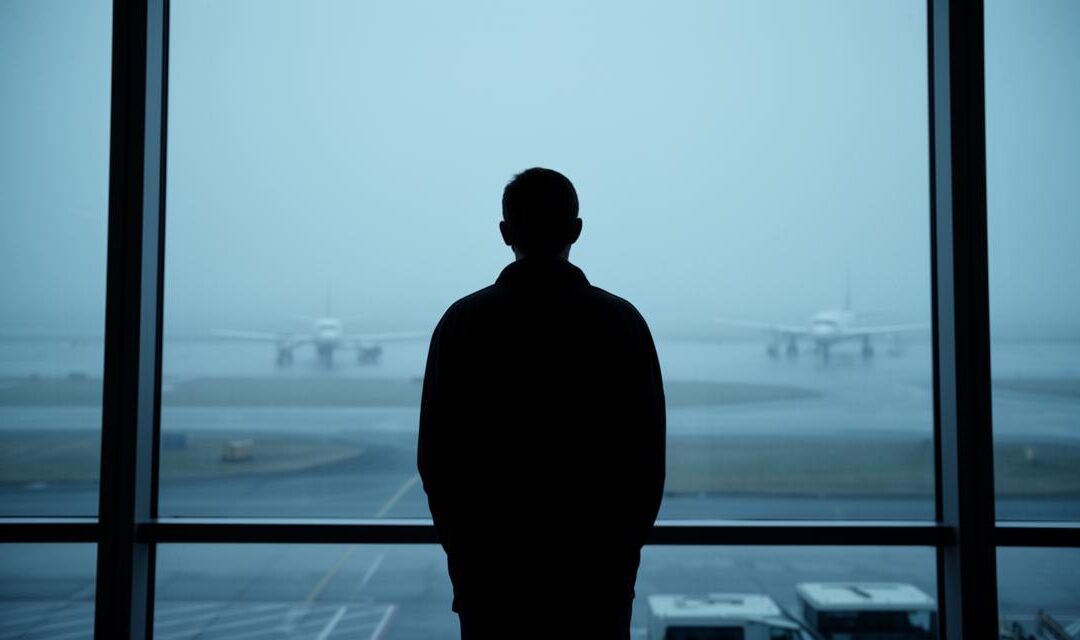
Travel is often seen as an exciting opportunity to explore new places, experience different cultures, and create lasting memories. Yet for some individuals, the mere thought of embarking on a journey can trigger overwhelming anxiety and distress. This intense fear, known as hodophobia, goes beyond the occasional nervousness many feel before a trip. It is a specific phobia that can significantly disrupt daily life, affecting both personal relationships and professional responsibilities. Understanding this condition and recognising its impact is essential for those who experience it and for the people around them.
Understanding Hodophobia: What Lies Behind the Fear of Travel
Hodophobia, sometimes referred to as trip-a-phobia, is characterised by an extreme and irrational fear of travelling. This condition can manifest in various forms, from anxiety about specific modes of transport such as aeroplanes or trains to a more generalised dread of any form of travel. Unlike the usual apprehension that might accompany planning a long journey or navigating unfamiliar destinations, hodophobia involves a profound and persistent fear that can be debilitating. It is not simply a matter of feeling uncomfortable or slightly nervous; rather, it is an intense emotional response that can interfere with one's ability to function normally.
The psychological roots of travel-related anxiety
The origins of hodophobia are often deeply rooted in past experiences and psychological factors. Many individuals develop this fear following traumatic events related to travel. Such negative past experiences might include accidents, severe turbulence during a flight, or distressing incidents encountered while on the road. Publicised disasters, including pandemics like SARS and COVID-19, have also contributed to heightened anxiety around travel. The widespread media coverage of these events can amplify fears, making the prospect of leaving home seem fraught with danger. In addition to these external factors, personal history and temperament play a significant role. Some people are naturally more anxious or have a predisposition to developing phobias, which can make them more vulnerable to developing hodophobia.
It is important to note that hodophobia can be linked to other related phobias. For instance, aerophobia, the fear of flying, and claustrophobia, the fear of confined spaces, often intersect with travel anxiety. Social phobia, which involves fear of being judged or embarrassed in public settings, can also exacerbate the distress associated with travel. These overlapping fears create a complex web of anxiety that can be challenging to untangle without professional guidance.
Distinguishing hodophobia from general travel nervousness
While many people experience some level of nervousness before a trip, hodophobia is distinguished by its intensity and persistence. General travel nervousness might involve mild worry about missing a flight or concerns about navigating a new city. In contrast, hodophobia triggers a much more severe reaction. Diagnosis of this specific phobia involves evaluating the presence of intense fear, avoidance behaviour, and symptoms that persist for at least six months. The fear experienced by someone with hodophobia is disproportionate to any actual threat, and it often leads to a pattern of avoidance that can severely limit one's life.
The distinction between normal travel anxiety and hodophobia is crucial because it determines the appropriate response. Occasional nervousness can often be managed with simple relaxation techniques or a bit of reassurance. However, hodophobia requires a more comprehensive approach, often involving therapeutic intervention and, in some cases, medication support. Recognising this difference is the first step towards seeking help and regaining control over one's life.
How Hodophobia Manifests in Daily Life and Common Situations
The impact of hodophobia extends far beyond the moments immediately before or during a journey. It can permeate everyday routines, affecting how individuals plan their days, engage with others, and fulfil their responsibilities. The fear of travel is not confined to the act of boarding a plane or train; it can influence decisions about where to live, what jobs to pursue, and which social invitations to accept or decline.
Physical and emotional symptoms that disrupt routine activities
The symptoms of hodophobia are both physical and emotional, and they can be profoundly disruptive. Anxiety is the primary symptom, often manifesting as a persistent sense of dread or unease. This anxiety can escalate into full-blown panic attacks, which are characterised by rapid heart rate, shortness of breath, and a feeling of losing control. Physical symptoms such as shaking, dizziness, sweating, nausea, headaches, chest pain, and confusion are common. Some individuals may find themselves crying uncontrollably or feeling an overwhelming urge to flee from situations that involve travel.
These symptoms do not only appear at the airport or train station. They can arise when merely thinking about an upcoming trip or when discussing travel plans with friends or colleagues. This anticipatory anxiety can make it difficult to concentrate at work, enjoy leisure activities, or even sleep well at night. The constant presence of these symptoms can erode one's quality of life, leading to feelings of isolation and frustration.
The Impact on Work Commitments and Social Engagements
Hodophobia can have serious consequences for both professional and personal life. In the workplace, many jobs require travel, whether for meetings, conferences, or client visits. For someone with hodophobia, the prospect of attending such events can be a source of intense stress. This may lead to avoidance behaviour, where individuals turn down opportunities for career advancement or even call in sick to avoid travel. Over time, this pattern can hinder professional growth and damage one's reputation among colleagues and supervisors.
Social engagements are similarly affected. Invitations to weddings, family gatherings, or holidays with friends often involve some form of travel. For those with hodophobia, these invitations can feel like burdens rather than opportunities for connection and enjoyment. Declining such invitations repeatedly can strain relationships, as friends and family may struggle to understand the depth of the fear involved. The resulting social isolation can compound feelings of loneliness and anxiety, creating a vicious cycle that is difficult to break.
In 2020, a quarter of the American population experienced significant travel anxiety, a statistic that underscores the widespread nature of this issue. The COVID-19 pandemic, along with other global crises, has intensified fears around travel, making it even more challenging for those already predisposed to hodophobia.
Practical Approaches to Managing and Overcoming Hodophobia
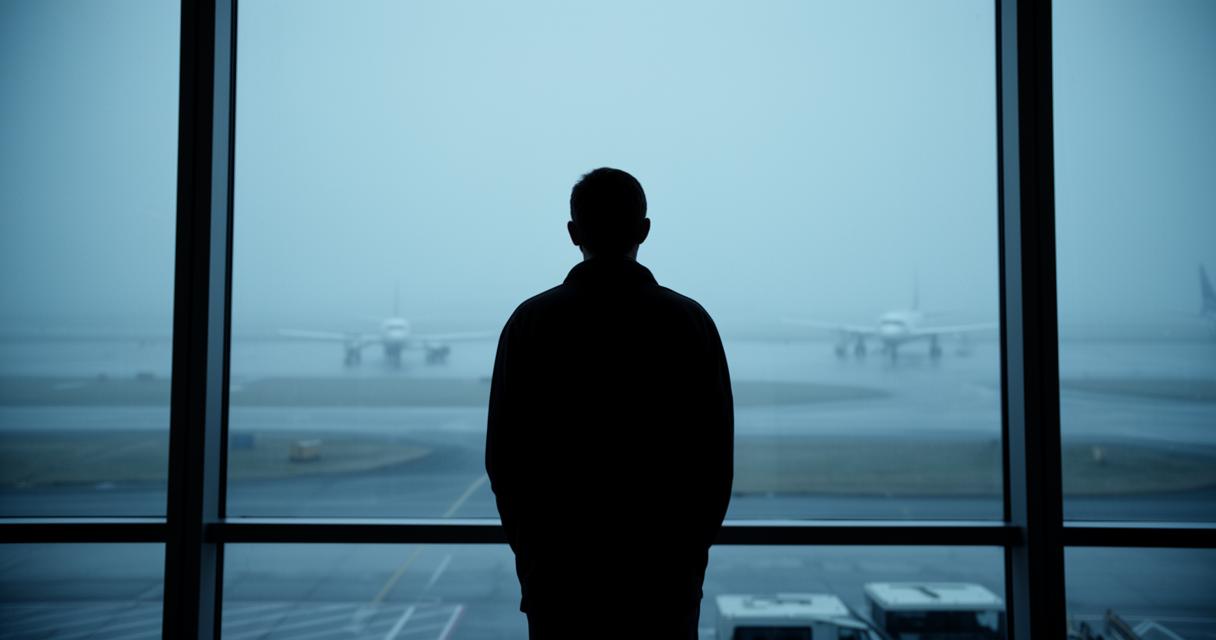
While hodophobia can be a formidable challenge, there are effective strategies and treatments available that can help individuals manage their fear and, in many cases, overcome it entirely. The key is to approach the condition with patience, persistence, and the willingness to seek professional support when needed.
Therapeutic techniques and professional support options
Professional treatment for hodophobia often involves a combination of therapeutic techniques tailored to the individual's specific needs. Cognitive Behavioural Therapy, commonly known as CBT, is one of the most effective approaches. This form of therapy helps individuals identify and challenge the irrational thoughts and beliefs that fuel their fear. Through CBT, patients learn coping strategies that enable them to reframe their thinking and respond to travel-related situations in a healthier way.
Exposure therapy is another powerful tool in the treatment of hodophobia. This technique involves gradually exposing the individual to travel-related scenarios in a controlled and supportive environment. The process, often referred to as desensitisation, allows the person to confront their fear in small, manageable steps. Over time, repeated exposure can reduce the intensity of the fear response, making it easier to face real-world travel situations.
In some cases, medication support may be recommended to help manage the physical symptoms of anxiety. Short-term medications such as beta blockers can help control rapid heart rate and other physiological responses. Sedatives may also be prescribed, though caution is advised due to their potentially addictive nature. It is crucial to consult a doctor before starting any medication, as professional guidance ensures that treatment is safe and appropriate for the individual's circumstances.
Gradual exposure methods and self-help strategies
In addition to professional treatment, there are several self-help strategies that can complement therapy and support the management of hodophobia. Education about travel is a foundational step. Learning about the safety measures in place for various modes of transport and understanding the statistics that demonstrate the relative safety of travel can help to rationalise fears. Knowledge can be a powerful antidote to irrational anxiety.
Visualisation techniques are also highly beneficial. By imagining a successful and calm travel experience, individuals can train their minds to associate travel with positive outcomes rather than fear and distress. Combining visualisation with breathing techniques can further enhance relaxation. Deep, controlled breathing helps to activate the body's natural relaxation response, counteracting the physical symptoms of anxiety.
Planning ahead is another practical strategy. Having a well-organised itinerary, knowing what to expect at each stage of the journey, and preparing for potential challenges can provide a sense of control that alleviates anxiety. Travelling with a trusted companion can also offer reassurance and support, making the experience less daunting.
It is important to identify personal triggers that exacerbate the fear. Whether it is crowded airports, turbulence during flights, or the thought of being far from home, understanding what specifically sparks anxiety allows for targeted coping strategies. Avoiding self-medication is equally important. While it might be tempting to rely on alcohol or unprescribed drugs to numb anxiety, such approaches can lead to dependency and ultimately worsen the condition.
For those whose symptoms disrupt daily functioning or lead to persistent avoidance of travel, seeking professional help is essential. Organisations such as Cadabam's Hospitals offer expert care and treatment tailored to individuals with hodophobia and related anxiety disorders. With the right combination of therapy, medication when necessary, and self-help strategies, many people find that they can manage their fear and reclaim the freedom to travel.
Overcoming hodophobia is a journey in itself, one that requires courage and commitment. However, with support and the appropriate interventions, it is entirely possible to move beyond the fear and embrace the opportunities that travel can bring.