
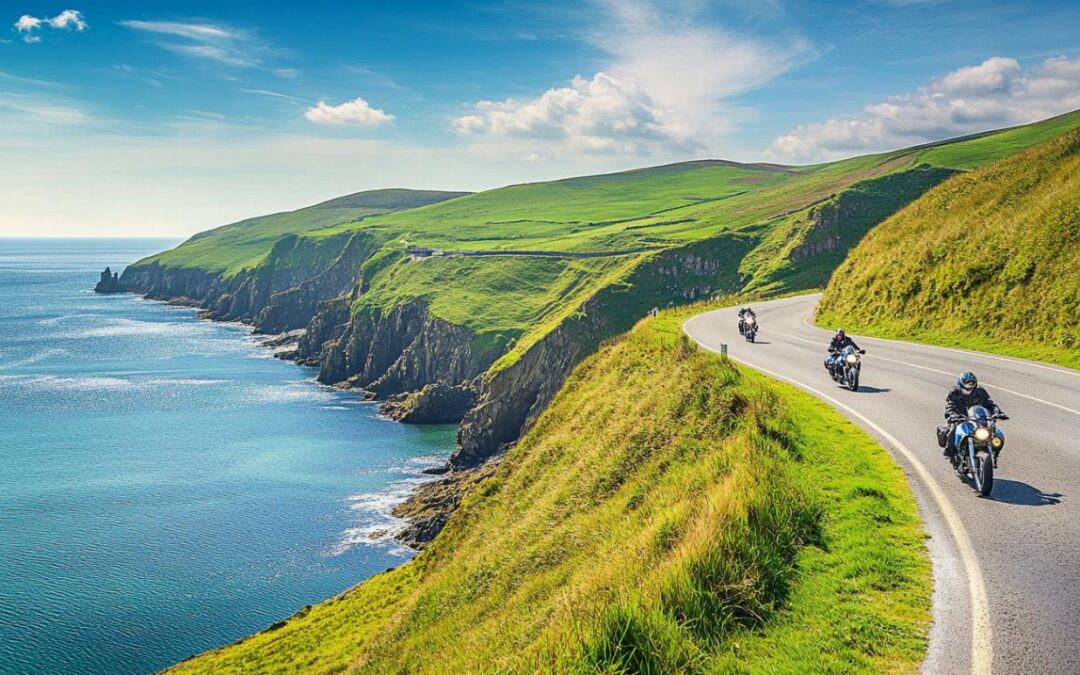
The Isle of Man Tourist Trophy stands as one of the most exhilarating motorsport spectacles in the world, drawing tens of thousands of passionate fans to a small island nestled in the Irish Sea each year. Whether you are a seasoned enthusiast or a first-time visitor eager to witness legendary motorbike racing on public roads, organising your journey to this iconic event requires careful planning and a bit of insider knowledge. This guide will walk you through every essential aspect of reaching the Isle of Man for the TT races, from securing ferry crossings and booking accommodation to preparing for the unique atmosphere that accompanies race week.
Planning Your Journey: Ferry Crossings and Travel Routes to the Isle of Man
Getting to the Isle of Man for the Tourist Trophy demands thoughtful preparation, particularly when it comes to booking your passage across the Irish Sea. The island is not directly accessible by road, so ferry travel is the primary means of arrival for those bringing their own vehicles or motorcycles. Understanding the departure points, travel times, and booking strategies is crucial to ensuring a smooth start to your adventure.
Selecting the Right Ferry Departure Point and Booking Your Crossing
Three main ports serve as gateways to Douglas, the island's capital and the heart of TT activities. Liverpool offers around twelve crossings a week, making it one of the busiest routes and a popular choice for travellers from England. The crossing from Liverpool typically takes around two hours and forty-five minutes, providing a relatively swift passage across the water. Heysham, another key departure point, operates thirteen crossings per week during peak season, though the journey extends to approximately three hours and forty-five minutes. For those travelling from Northern Ireland, Belfast provides a seasonal summer service, also clocking in at roughly two hours and forty-five minutes. Given the popularity of the TT event, ferries fill up rapidly, so securing your place well in advance is essential. Many seasoned attendees recommend booking nine to twelve months ahead to guarantee your spot, especially if you intend to bring a motorcycle or a passenger vehicle. It is worth noting that you do not need a passport to travel to the Isle of Man, as it is a self-governing British Crown dependency, although it is not part of the United Kingdom itself.
Understanding Travel Times and Alternative Routes from England
While ferry crossings are the most common way to reach the island, flights also offer a viable alternative. The Isle of Man Airport, located near Ballasalla and known as Ronaldsway, serves over six hundred and fifty thousand passengers annually, with regular services from several airports across England, Scotland, and Ireland. Flying can save time, particularly for those who do not wish to bring their own vehicle, and car hire is available on arrival. However, ferry travel remains the preferred option for many, as it allows riders to bring their own machines and fully immerse themselves in the journey. The crossing itself offers a unique sense of anticipation, as the mountainous silhouette of the island emerges from the Irish Sea. Once on the island, roads are well-maintained, though it is wise to prepare your vehicle beforehand by checking fuel, oil, rubber, coolant, electrics, and screenwash to ensure everything is in order. RAC Breakdown Cover extends to the Isle of Man, providing peace of mind should any mechanical issues arise during your stay.
Sorting Your Accommodation: From Camping to Lodgings in Douglas and Beyond
Accommodation is perhaps the most challenging aspect of attending the Tourist Trophy, as the influx of over forty-seven thousand spectators each year places immense pressure on the island's limited lodgings. Securing a place to stay requires early action and a clear understanding of the options available, from traditional hotels and bed-and-breakfasts to camping and glamping sites.
Booking Early: Finding a Place to Stay During Race Week
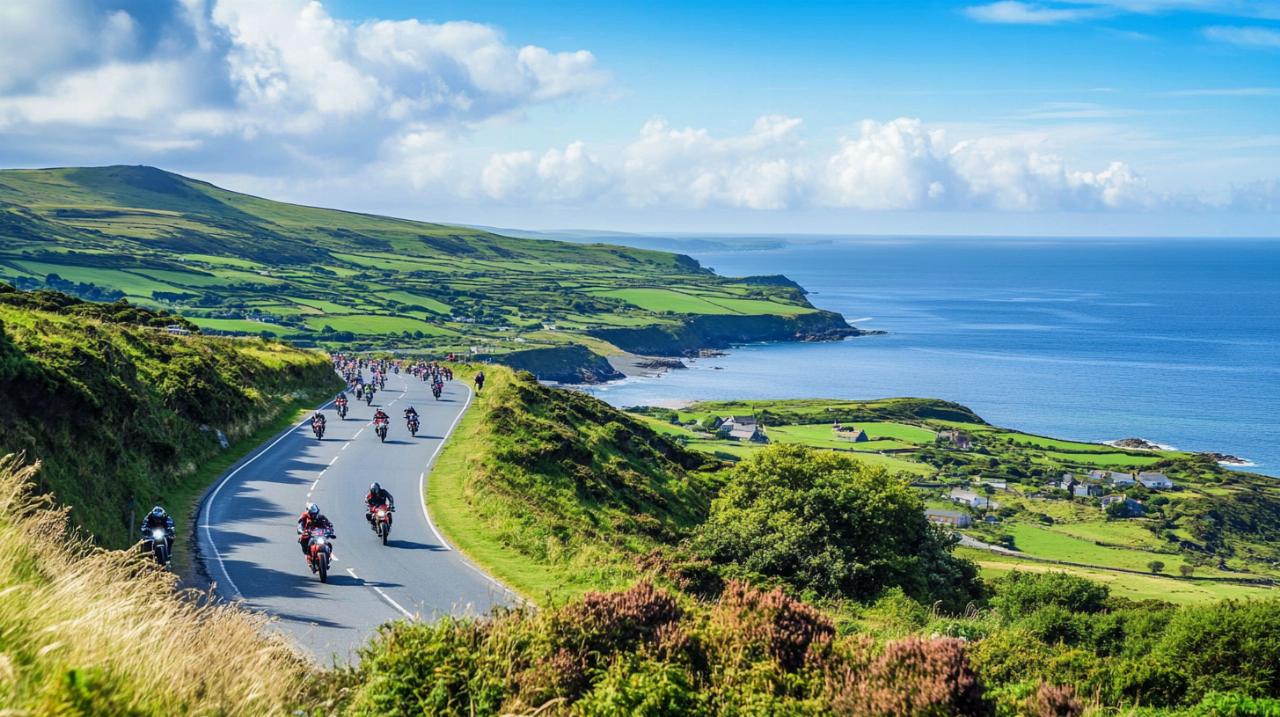
The towns of Douglas, Ramsey, and Peel are the most sought-after locations for accommodation, offering proximity to the race action and a vibrant atmosphere throughout the fortnight. Cottages, hotels, and B&Bs in these areas tend to sell out quickly, often within the first few months after the previous year's event concludes. It is not uncommon for regular attendees to book their lodgings for the following year immediately after their departure, securing the same spot year after year. If you are unable to find availability in these prime locations, consider exploring smaller villages or rural areas, which can provide a quieter experience while still offering easy access to the track. Many visitors also opt to book self-catering cottages, allowing for greater flexibility and the convenience of preparing meals on-site. Restaurants and tours also experience heavy demand during race week, so reserving tables and activities in advance is strongly advised.
Camping Options: Pitching Your Tent Near the Track and What to Bring
For those seeking a more budget-friendly and adventurous option, camping and glamping sites offer an appealing alternative. Several campsites are located near the Mountain Course, providing easy access to the action and a communal atmosphere that enhances the overall experience. Pitching a tent near the track allows you to fully immerse yourself in the event, waking to the sound of engines and sharing stories with fellow enthusiasts late into the night. When preparing for a camping trip to the TT, it is essential to pack for all weather conditions, as the island's climate can be unpredictable. All-weather clothing, including waterproofs and layers, is a must, along with comfortable shoes for walking between viewing spots. Sun cream is often overlooked but can be vital on clear days, while earplugs help protect your hearing from the roar of high-powered machines. A portable charger ensures your devices remain functional throughout the day, and foldable chairs provide a comfortable spot to relax between races. Food and drink are also important, as queues at vendors can be lengthy, and having supplies on hand allows you to remain at prime viewing locations without interruption. A radio tuned to local commentary adds to the experience, keeping you informed of race results and rider positions as events unfold.
Making the Most of Your TT Trip: What to Expect and How to Prepare
Attending the Tourist Trophy is about more than just watching races. The event offers a unique opportunity to explore the Isle of Man, a rugged and mountainous island designated as a UNESCO biosphere reserve in 2016. Ancient stone circles, castles, and mountain railways dot the landscape, while the Laxey Wheel, one of the largest working waterwheels in the world, stands as a testament to the island's industrial heritage. The Calf of Man, a small island off the southwest coast, serves as a bird observatory and nature reserve, providing a tranquil contrast to the adrenaline-fuelled race days.
Understanding the Race Schedule and Planning Your Days Around the Results
The Tourist Trophy spans two weeks, typically running from the last week of May through the first week of June. In 2026, the event is scheduled between the 25th of May and the 6th of June. Races are split into different categories, including Superbike, Supersport, and Sidecar, each showcasing the incredible skill and bravery of the pilots. The Mountain Course, measuring 37.73 miles and featuring over two hundred corners, forms the backbone of the event, with competitors reaching speeds between 130 and 170 miles per hour. Road closures are enforced during race and qualifying days, particularly on the A18 and Snaefell Mountain Road, though roads typically reopen before 9am and after 5pm. This schedule allows spectators to move freely around the island outside of race hours, exploring different vantage points and soaking up the atmosphere. Many visitors arrive early to enjoy the pre-race atmosphere and qualifying sessions, which offer a taste of the excitement to come without the same level of crowding as race days.
Essential Tips for Passengers and Spectators: What to Pack and Where to Go
Watching the TT from public roads is free, and many of the best viewing spots require no ticket, allowing you to experience the event in its rawest form. Bray Hill, Ballaugh Bridge, and Mountain Mile are among the most popular locations, offering dramatic perspectives on the speed and skill involved. For those seeking a more structured experience, grandstands such as the Main TT Grandstand, Noble's Park Grandstand, and Fan Park Grandstand provide seating and amenities, though tickets sell out rapidly. The Victory Café, Creg-ny-Baa pub, and The Mitre pub are excellent spots to combine race viewing with refreshments, offering a social atmosphere and local flavour. Travel and medical insurance are highly recommended, as the Isle of Man lies outside the European Union, and ensuring coverage for any eventualities provides peace of mind. Engaging with the local community and fellow fans adds richness to the trip, as conversations about legendary riders like Joey Dunlop, John McGuinness, Peter Hickman, and Michael Dunlop are a staple of the TT experience. With careful planning, a spirit of adventure, and respect for the island's unique character, your journey to the Tourist Trophy will be an unforgettable chapter in your travel story.