
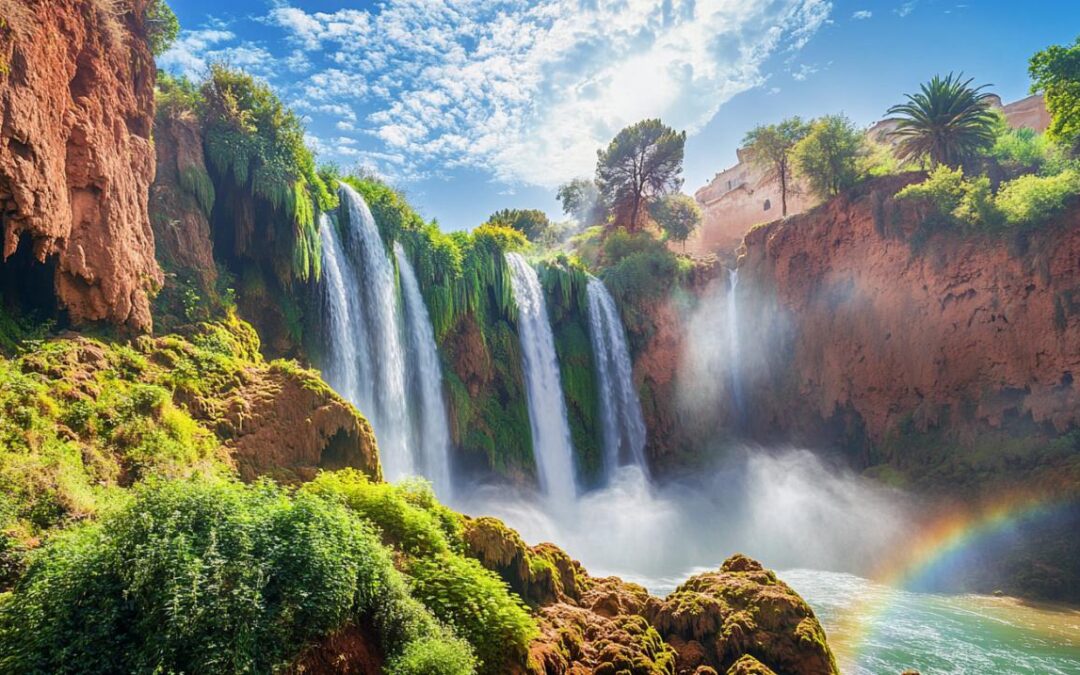
Tucked away in the heart of the Atlas Mountains, the Ouzoud Falls offer an unforgettable escape from the bustling streets of Marrakech. This natural wonder draws adventurers and nature enthusiasts alike, promising a journey through rural Morocco that showcases cascading waters, vibrant wildlife, and the warm hospitality of Berber communities. Whether you seek outdoor exploration or cultural immersion, the region surrounding these magnificent waterfalls provides a perfect blend of both, making it a must-visit destination for anyone travelling through the country.
The Majestic Cascades of the Atlas Mountains: Understanding Ouzoud's Natural Grandeur
Discovering the Spectacular Height and Scale of Morocco's Premier Waterfalls
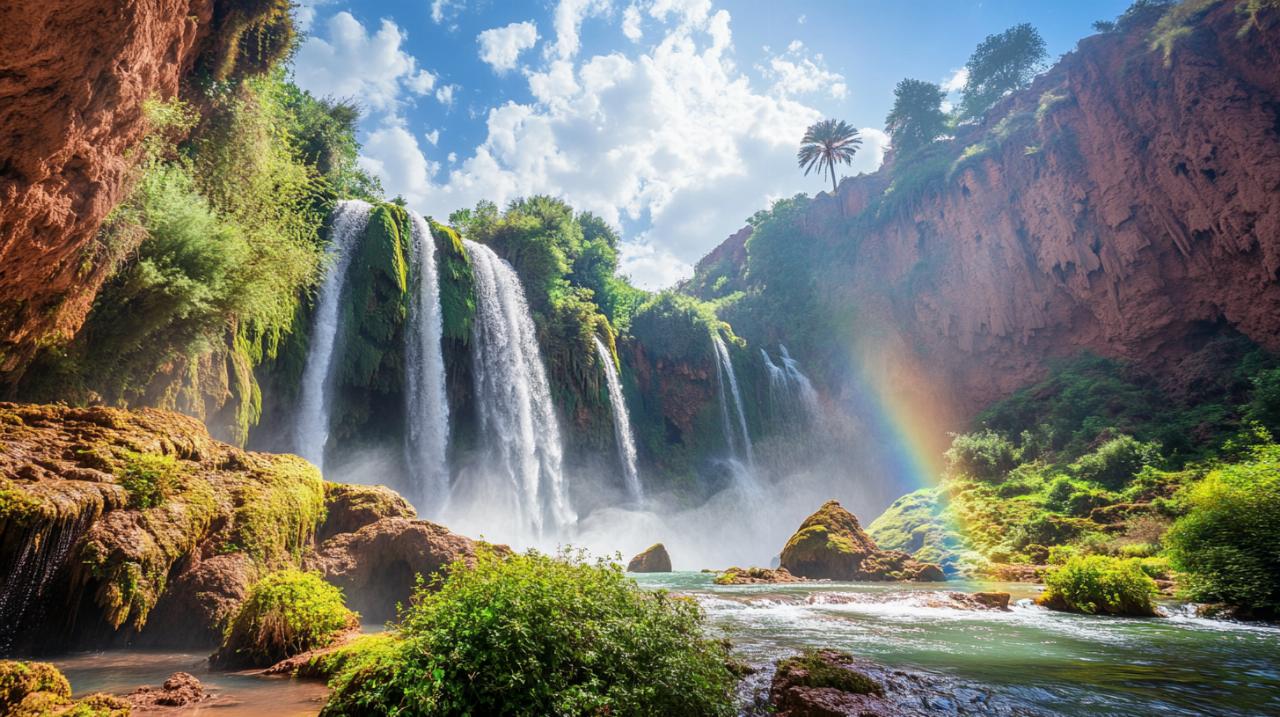
Rising dramatically over the landscape, the Ouzoud Falls plunge an impressive 110 metres into the El-Abid River gorge below, establishing their reputation as the highest waterfalls in North Africa. The cascades descend in elegant tiers, creating a mesmerising spectacle as water tumbles over rugged rock formations. The sheer scale of these falls becomes apparent as visitors approach, with the roar of rushing water growing louder and the mist rising from the base creating a refreshing atmosphere even on warm days. The main cascade, measuring approximately 75 metres, serves as the centrepiece of this natural display, drawing photographers and adventurers who wish to experience its power up close. Many visitors opt for a boat ride that takes them right to the base of this towering waterfall, offering a unique perspective on the force and beauty of the falling water. The surrounding area benefits from the constant spray, supporting lush greenery that contrasts beautifully with the arid landscapes typical of other parts of Morocco.
The geographic setting: where the middle atlas mountains meet natural wonder
Situated approximately 150 kilometres from Marrakech, the falls occupy a remarkable position within the Atlas Mountains, where dramatic terrain creates the perfect conditions for such spectacular cascades. The name Ouzoud itself derives from a Berber word meaning olive, a reference to the extensive olive groves that populate the surrounding countryside. This geographic setting provides not only stunning views but also a cooler climate compared to the plains below, making the area particularly appealing during warmer months. The journey to reach this destination takes visitors through diverse landscapes, from urban centres to rural villages, offering glimpses of traditional Moroccan life along the way. The town of Beni Mellal, located about 150 kilometres from the falls, serves as an additional base for those seeking alternative accommodation options whilst exploring the region. The geographic isolation of the waterfalls has helped preserve the natural environment, ensuring that visitors today can experience a landscape that has remained largely unchanged for generations.
Planning Your Excursion from Marrakech to Ouzoud: A Practical Guide
Journey through rural morocco: transport options and travel duration
Embarking on a day trip from Marrakech to the Ouzoud Falls typically requires a journey of approximately 2.5 to 3 hours by road, traversing scenic countryside that showcases the agricultural heartland of Morocco. Many visitors choose organised excursions that include minibus transport, allowing them to relax and enjoy the changing landscapes without the stress of navigation. These guided experiences often incorporate stops at viewpoints and local villages, enriching the journey with cultural insights and opportunities to interact with residents. For those seeking greater flexibility, private tours offer personalised itineraries and the chance to explore at one's own pace. The scenic drive itself forms an integral part of the adventure, as the route winds through olive groves, small settlements, and gradually rising terrain that signals the approach to the Atlas Mountains. Organised tours frequently combine the waterfall visit with opportunities to experience Berber culture, traditional meals, and guided hikes that reveal hidden corners of the landscape. The convenience of pre-arranged transport ensures that visitors can focus entirely on the experience rather than logistical concerns.
Best Times to Visit and What to Pack for Your Waterfall Adventure
Spring and autumn emerge as the ideal seasons for visiting the Ouzoud Falls, offering moderate temperatures that make hiking and outdoor activities comfortable without the extreme heat of summer or the chill of winter. During these periods, the water flow remains robust whilst weather conditions favour exploration. Visitors should come prepared for a countryside trek that involves descending to the base of the falls, typically taking between 20 and 30 minutes along the main trail. The climb back up presents more of a challenge, making comfortable walking shoes essential. A main trail provides access to various viewpoints, allowing visitors to appreciate the cascades from different angles. There is no entry fee to visit the falls, making this an accessible attraction for families and budget-conscious travellers alike. Packing should include sun protection, as the Moroccan sun can be intense even in cooler months, along with layers to accommodate temperature variations between the valley floor and higher elevations. Many visitors also bring swimwear, as opportunities exist to cool off in pools near the base of the falls. The trek passes through areas of lush vegetation, providing shade and photo opportunities that capture the diverse ecosystems surrounding the waterfalls.
Wildlife Encounters and Berber Traditions: The Cultural Richness Surrounding the Falls
Meeting the barbary macaques: morocco's charming monkey inhabitants
Among the most delightful aspects of a visit to the Ouzoud Falls is the opportunity to encounter Barbary macaques, the charismatic monkeys that inhabit the forested areas surrounding the cascades. These intelligent primates, also known as Barbary monkeys, have become accustomed to human presence and can often be spotted along the trails, in the trees, or near viewing areas. Observing these creatures in their natural habitat adds an element of wildlife tourism to what might otherwise be purely a nature exploration experience. The macaques exhibit complex social behaviours, and visitors who take time to watch quietly may witness grooming sessions, playful interactions between juveniles, or mothers caring for their young. Whilst these animals appear friendly, maintaining a respectful distance ensures both visitor safety and the wellbeing of the wildlife. The presence of these monkeys enriches the journey, particularly for families with children who delight in the unexpected wildlife encounters. The Barbary macaque population here represents an important conservation success, as these primates face challenges elsewhere in their range. Their thriving presence around the Ouzoud Falls demonstrates the value of protected natural areas and responsible tourism practices.
Authentic Berber Villages and Traditional Hospitality in the Ouzoud Region
The area surrounding the waterfalls is home to Berber communities that have inhabited these mountains for centuries, maintaining traditions and a way of life deeply connected to the land. Visitors to the region have opportunities to experience Berber culture firsthand, whether through organised tours that include village visits or by dining at riverside restaurants serving traditional Berber meals. These culinary experiences often feature tagines, couscous, and freshly baked bread prepared using methods passed down through generations. The hospitality extended by local residents reflects a cultural value placed on welcoming guests, with many establishments offering seating areas overlooking the falls where visitors can enjoy refreshments whilst taking in the spectacular views. Olive groves surrounding the villages provide both economic sustenance and a connection to the etymology of the name Ouzoud. Some tours incorporate demonstrations of traditional crafts or opportunities to learn about agricultural practices that have sustained mountain communities. Engaging with local guides enhances understanding of the landscape, as these residents possess intimate knowledge of trails, wildlife, and the seasonal rhythms that govern life in the Atlas Mountains. For those seeking a deeper cultural immersion, overnight stays in the area allow time to explore at leisure and experience the tranquillity that descends once day visitors depart. The combination of natural beauty and authentic cultural encounters creates a richer, more meaningful travel experience that extends beyond simple sightseeing.